US-Iran strikes threaten $200 oil as markets tumble
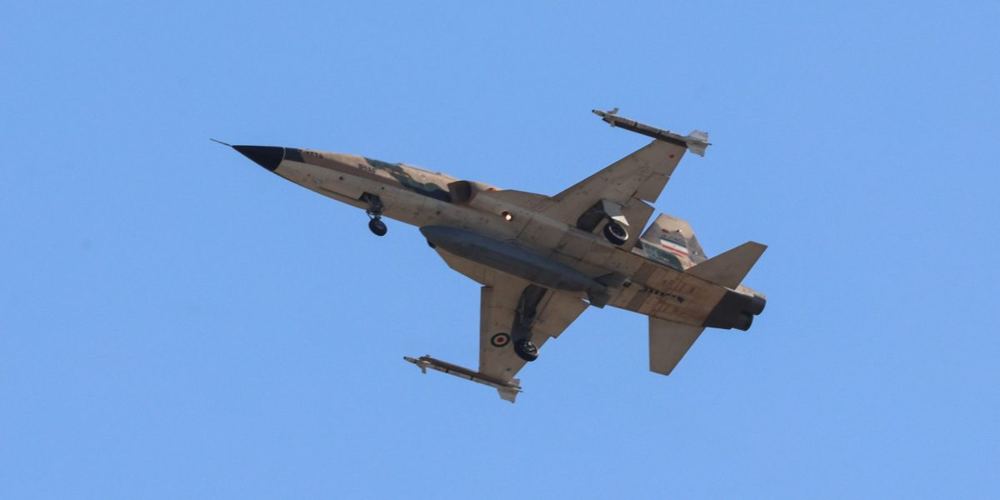
Exchanged airstrikes between the US and Iran have effectively closed the Strait of Hormuz, threatening to push crude prices as high as $200 a barrel and complicate corporate inflation fights.
Exchanged airstrikes between the US and Iran over the weekend have abruptly ended an interim peace deal, sending shockwaves through global energy markets. The most critical immediate fallout is the Strait of Hormuz, where shipping lanes remain technically open but are effectively unused.
Operating with a severely depleted buffer, the physical oil market has seen global petroleum reserves drop by nearly 1 billion barrels without replenishment, while mothballed refineries remain offline. Although demand is weak in China and broader Asia, US consumption has held up despite pump prices sitting 50% above pre-conflict levels. Energy analysts warn that crude will likely settle closer to $90 a barrel, with a worst-case scenario reaching $200.
Equity markets reacted sharply to the escalation, with the pain concentrated in Asia. South Korea’s KOSPI bore the brunt of the sell-off, plunging 8.95%, while Japan’s Nikkei 225 fell 1.92% and China’s CSI 300 dropped 1.79%. European equities opened softer, with the STOXX Europe 600 down 0.15% and the UK’s FTSE 100 flat, while S&P 500 futures pointed to a 0.31% decline at the open.
For corporate executives, this energy shock arrives at a highly inconvenient moment. Businesses are already struggling to restructure sourcing and supply chains around a web of tariffs and retaliatory trade policies. Surging crude prices act as another inflationary ingredient in an environment where companies are still trying to pass higher costs onto consumers.
The inflationary picture is complicated by a resilient housing market. US home prices have hit an all-time high, even as prices on the West Coast have fallen. This persistent inflation is frustrating the Federal Reserve and forcing CEOs to aggressively hunt for cost savings, particularly in labor.
Workforce reduction is the obvious lever, but technology is not yet a viable substitute. Despite the hype surrounding artificial intelligence, implementing the technology remains too expensive to replace human workers in most roles right now.
The energy pain is also feeding political and reputational risks for corporations. American voters tend to conflate pump prices with broader energy costs, directing frustration toward the massive energy consumption of data centers. That anger is now focusing on executive pay, as 51 US electric and gas utility companies paid their CEOs a collective $626 million last year, a $100 million increase from 2024.
Beyond macroeconomics, the conflict poses a direct operational threat. The Islamic Revolutionary Guard Corps and other Iran-linked actors are actively targeting US companies, particularly in technology and critical infrastructure. Executives must now balance enhanced cybersecurity training against the risk of overindexing on fear, especially as government travel advisories for the Middle East have eased.