Zhongji Plans $1.2 Billion Share Buyback to Anchor Hong Kong IPO Pricing
The optical-module maker is deploying capital to stabilize its onshore valuation and prevent its upcoming Hong Kong shares from falling below the offer price on their debut.
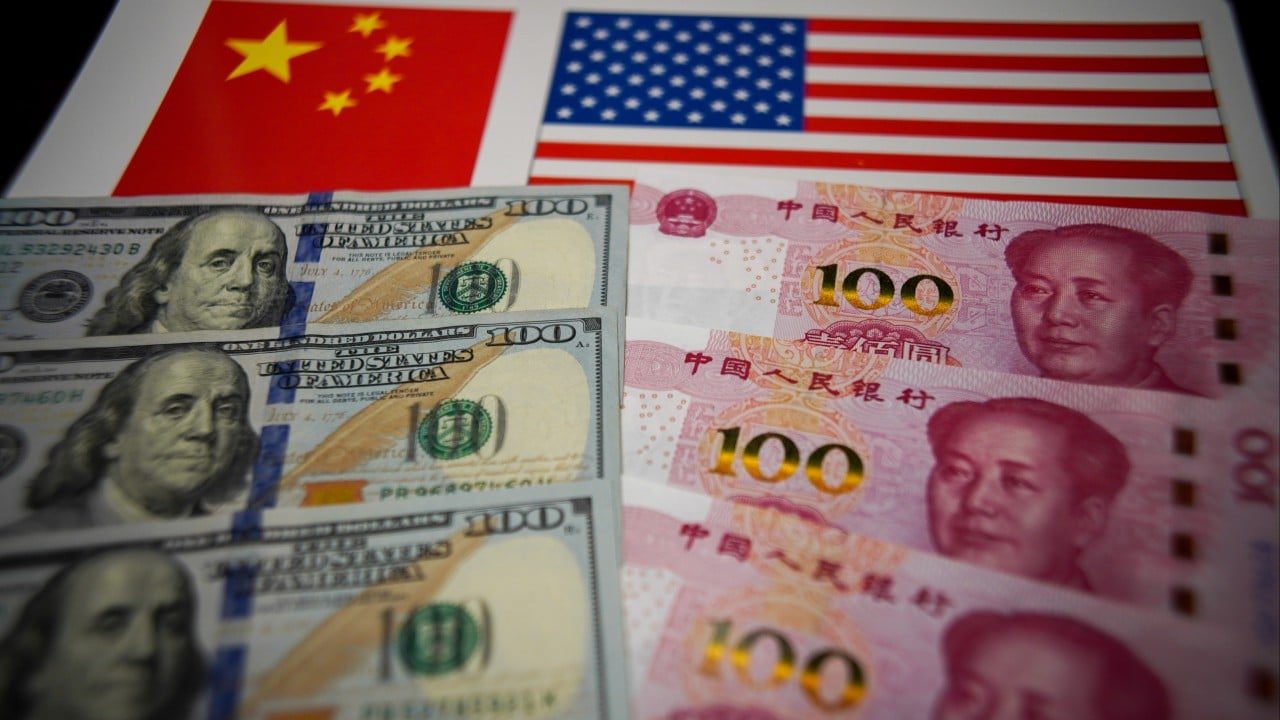
Optical-module maker Zhongji has announced a US$1.2 billion share buyback program denominated in yuan. This strategic move is designed to stabilize its valuation just before its initial public offering in Hong Kong.
The intervention follows a recent sell-off in the company’s mainland-listed stock. The onshore price has been declining toward the HK$980 offer price set for the upcoming Hong Kong IPO.
This price convergence presents a tangible risk for the company’s offshore debut. If the mainland stock continues to fall, it increases the probability that the newly issued Hong Kong shares will trade below the IPO price on their first day of market activity.
A first-day drop would represent a significant setback for Zhongji. The company is relying on this offshore listing to expand its overseas business operations and cultivate a stronger corporate image among global investors.
Market observers note that the timing of this capital allocation is highly deliberate. “Zhongji’s buy-back plan comes at a sensitive time, namely just ahead of its Hong Kong listing,” said Dai Ming, a fund manager at Huichen Asset Management.
He added that the most plausible reason for doing this is to bolster sentiment before the Hong Kong debut. This highlights the strategic nature of the intervention ahead of the cross-border listing.
The mechanics of dual listings mean that domestic performance directly influences offshore perception. Overseas investors frequently use yuan-traded stock prices as a primary reference point when pricing H shares.
Addressing this dynamic, Dai Ming emphasized the protective intent of the capital deployment. He stated, “Falling stock prices on the home mainland market would for sure add downside pressure on Hong Kong-listed shares, as overseas investors use yuan-traded stock prices as a reference to price the H shares. By doing so, it may prevent a possible breach of the offer price.”