Fujimori raises Peru minimum wage to $365 despite fiscal warning
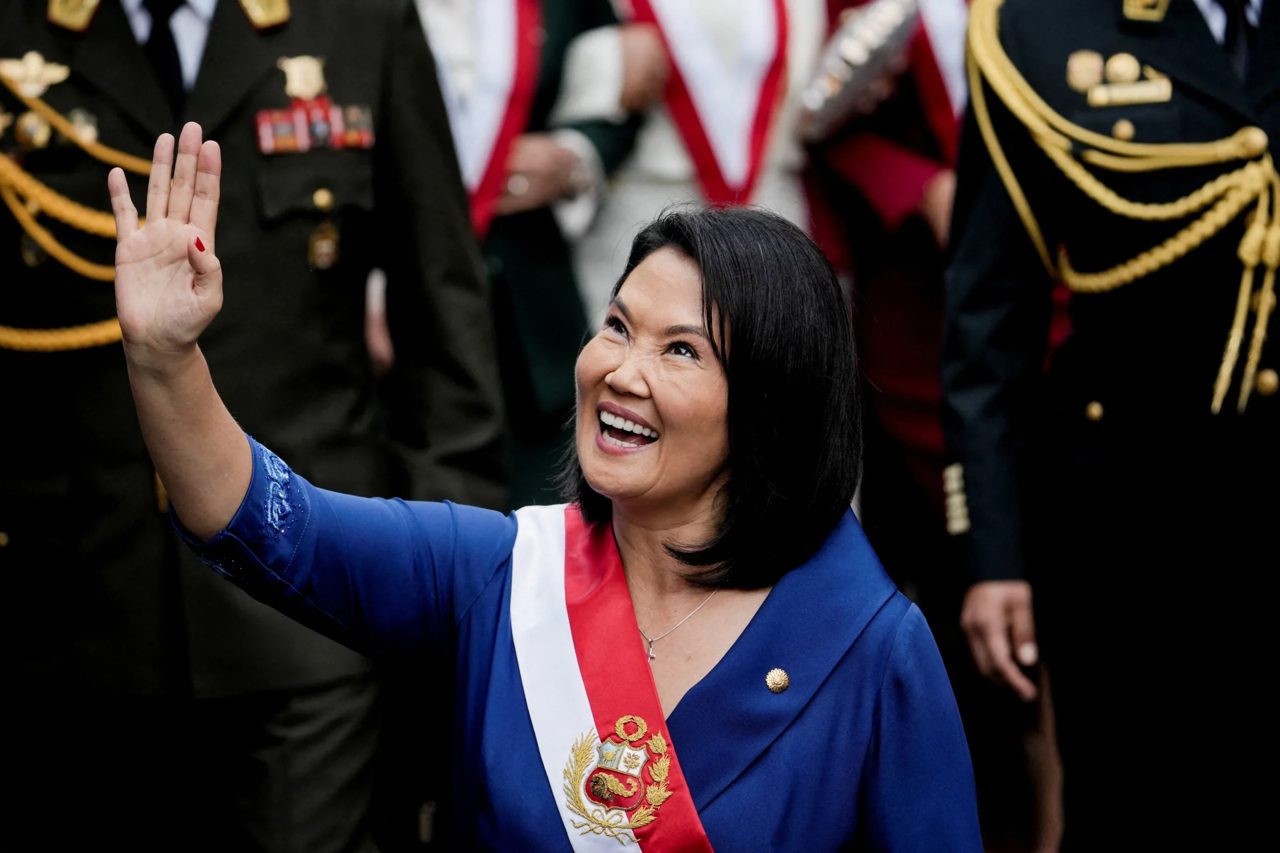
Keiko Fujimori marked her inauguration as Peru's president with a 15% minimum wage hike and doubled social transfers, moves that directly contradict her campaign as a fiscal conservative and raise immediate solvency questions for businesses and the state.
Keiko Fujimori used her July 28 inauguration address to announce an immediate 15% increase to Peru’s minimum wage, raising the floor to S/1,300, or roughly $365 a month. She also doubled Pensión 65, a state cash transfer for the poorest elderly citizens, to S/700 per two-month cycle, lifting monthly assistance from about $49 to $98.
The immediate spending priorities marked a stark departure from the candidate who campaigned as a fiscal conservative. Markets noticed the pivot to expansionary policy quickly, but the most significant warning came from a technical body. The president of Peru’s Fiscal Council bluntly stated that the government’s coffers will not stretch to cover these commitments at current revenue levels.
Peru’s tax take is already among the thinnest in the region relative to the size of its economy, creating a structural barrier to funding both the social transfers and a massive infrastructure push. Fujimori pledged to finish Lima’s chronically delayed Metro Line 2 and construct four entirely new lines. Delivering even one line within her five-year term would require a historic acceleration of public works in a city that lacks a functioning metro network.
For the private sector, the wage hike presents a direct cost increase on formal payrolls. However, roughly seven in ten Peruvian workers operate in the informal economy. A higher legal wage floor does not reach these workers, and in some cases, it pushes employers further away from formalizing the jobs it is meant to improve.
Fujimori won the June election by a razor-thin margin of just 49,641 votes, leaving her with no comfortable mandate in a country that has cycled through six presidents since 2016. She takes office facing a Congress already willing to spend her limited political capital.
The true test of her administration will be the upcoming budget bill, not the inaugural speech. Peru’s fiscal rules strictly cap the deficit, meaning the government must either find new revenue, authorize new borrowing, or quietly abandon other commitments. Investors should also monitor whether the minimum wage decree is formally issued, as past presidents have announced July wage floors that never materialized into law.