Nomura sees 109 percent upside for South Korea's Kospi after 44 percent plunge
Despite a 44 percent drop from its June peak, South Korea’s benchmark index remains Asia’s top performer this year, with Nomura projecting a massive rebound driven by semiconductor buybacks and AI earnings.
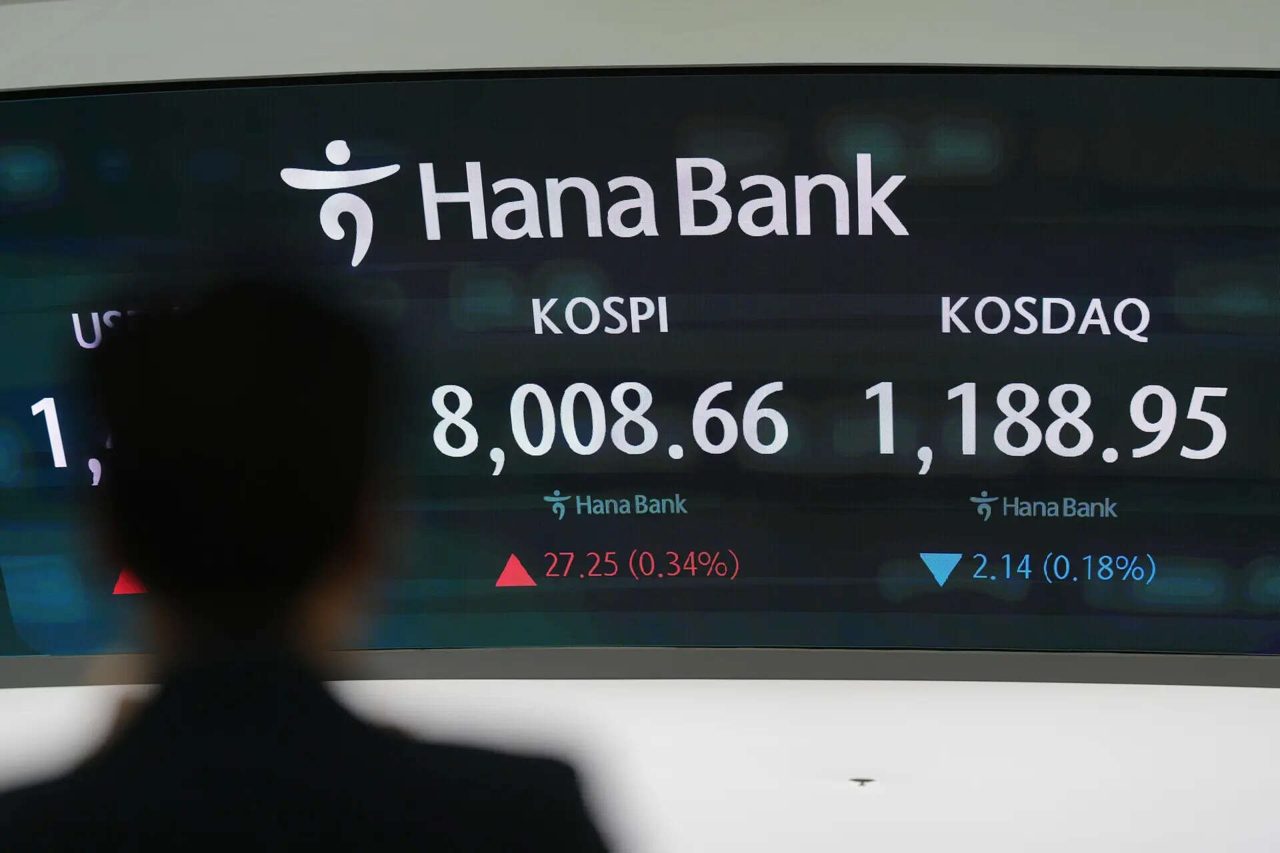
South Korea’s Kospi index plummeted nearly 13 percent to 5,263 on Wednesday, extending a 44 percent decline from its June peak of 9,386. This sharp drop firmly places the benchmark in technical bear market territory.
Even with this severe correction, the South Korean equity market retains its position as Asia’s best-performing market in 2026. Nomura attributes the recent selloff to heavy foreign investor selling after the country’s benchmark weight exceeded portfolio limits.
The brokerage also pointed to slowing institutional support and the rapid expansion of leveraged exchange-traded funds. Newly launched single-stock leveraged products have further sparked massive volatility in the market.
Looking ahead, Nomura expects the next phase of the market’s rerating to be fueled by corporate share buybacks and treasury-share cancellations. The international brokerage estimates that 90 percent of South Korea’s share buybacks will originate from semiconductor giants Samsung and SK Hynix.
These repurchases, which include allocations for employee bonuses and shareholder returns, should create a new structural source of demand. As market deleveraging progresses and foreign selling pressure eases, Nomura projects the Kospi could re-rate toward a target of 10,000 to 11,000.
Reaching that level would represent a 90 to 109 percent upside potential from the current 5,262.77 trading level. This bullish outlook hinges on several specific catalysts taking hold over the coming years.
Nomura identified AI-driven earnings across memory, high bandwidth memory, power equipment, energy storage systems, and nuclear sectors as a primary driver for sustainable return on equity over the next five years. Additionally, the brokerage highlighted a corporate shift toward better capital efficiency and optimal leverage to support higher price-to-earnings and price-to-book valuations.
Active stewardship and activist campaigns are also expected to play a crucial role in this recovery. Furthermore, government enforcement mandating better target return on equity disclosure and stricter listing requirements could improve overall corporate governance.
However, the bullish thesis carries notable downside risks that could derail the projected rebound. Nomura warned that corporate stock buybacks might fall short of market expectations.
Mechanical selling by foreign investors may also exacerbate declines if the Kospi rallies back above the 7,500 to 9,000 range. Finally, any rebuilding of steep leverage by retail investors threatens to undermine the market’s stability.