WHO flags US aid cuts as HIV burden shifts to African budgets
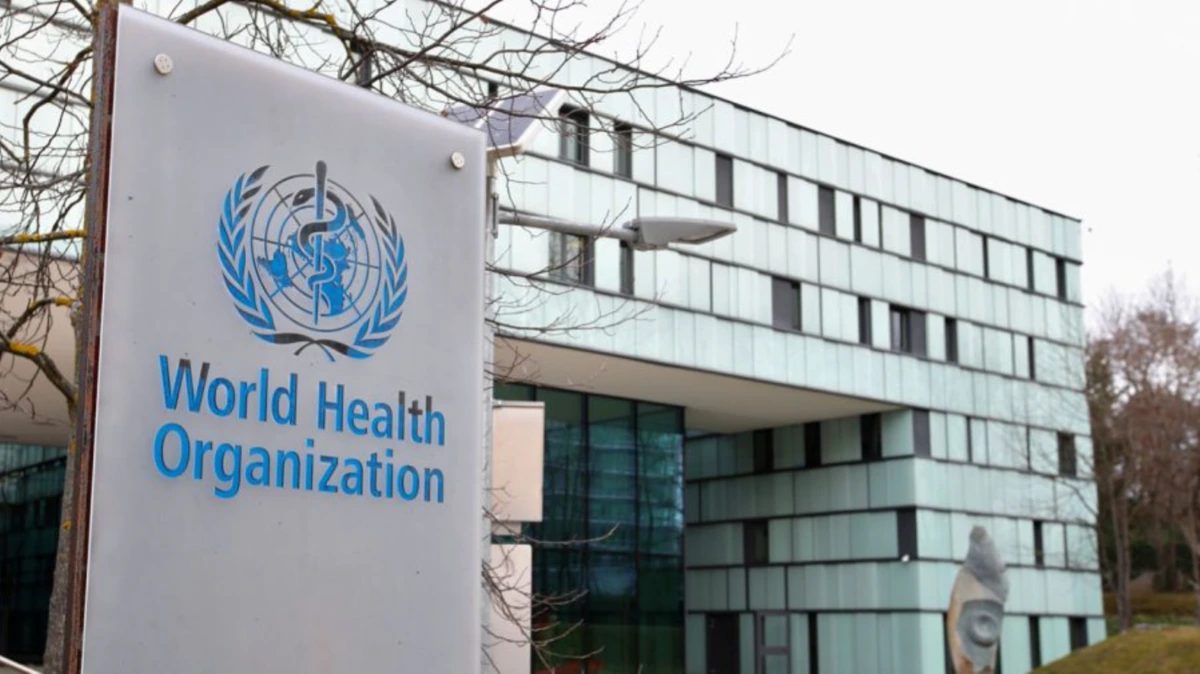
The WHO reported 1.2 million new HIV infections in 2025, warning that US foreign aid cuts are disrupting treatment for millions and forcing high-burden African nations to absorb the costs domestically.
The World Health Organization reported 1.2 million new HIV infections in 2025, bringing the global total of people living with the virus to 41 million. While the number of individuals receiving antiretroviral therapy (ART) has surged to 32 million from just 8 million in 2010, the agency warned that recent disruptions to U.S. foreign aid are actively destabilizing this treatment network.
The funding shock stems from sweeping changes to U.S. foreign assistance programmes, which placed USAID direct-hire personnel on administrative leave in February 2025. The WHO confirmed these suspensions disrupted critical health delivery in 50 countries, impacting HIV testing, laboratory networks, health workforce capacity and the initiation of new treatments. "Globally in 2025, 1.2 million people acquired HIV. This was a 42% reduction compared with 2010 and almost halfway to the target of a 90% reduction by 2030," the report stated.
For investors and sovereign debt analysts, the primary takeaway is a forced restructuring of healthcare liabilities in emerging markets. The WHO African Region accounts for 64% of all people living with HIV globally, underscoring the continent's outsized exposure to donor withdrawal. The agency stressed that sustaining progress will increasingly depend on these high-burden nations strengthening their own domestic financing to replace lost international funding.
The fiscal burden of this transition is significant. Although the global response is nearing its 95-95-95 targets for diagnosis, treatment and viral suppression, 9 million people living with HIV, roughly 22% of the total, remain without ART. Closing this gap to prevent further transmission and mortality will require substantial new capital allocations from national health budgets across sub-Saharan Africa.
Furthermore, HIV-related deaths, while down 57% since 2010 to 570,000 last year, must fall to just 130,000 annually by 2030 to meet global targets. Achieving that trajectory without robust international donor support will test the fiscal space of developing nations already grappling with constrained public finances.