Bitcoin decouples from Asian tech rout as South Korean chipmakers plunge

Bitcoin edged higher amid a historic two-day collapse in South Korean semiconductor stocks, signaling a potential break in the cryptocurrency's recent tight correlation with artificial intelligence-linked equities.
Bitcoin climbed 1% to approximately $63,800 on Wednesday, maintaining its footing as Asian equity markets endured one of their most severe two-day sell-offs of the year. The cryptocurrency's resilience contrasts sharply with the broader market turmoil, marking the second time in a week that digital assets have weathered a sharp unwind in the artificial intelligence trade.
The equity damage was heavily concentrated in semiconductor manufacturers. South Korea’s benchmark index tumbled 11% on Wednesday, following an identical drop the previous day to set a record two-day decline. SK Hynix plummeted roughly 17% despite reporting a 557% surge in quarterly profit that still fell short of investor expectations, while Samsung slid 12% ahead of its own earnings release.
This reassessment of sky-high AI demand expectations rippled across global markets. The MSCI Asia Pacific index dropped 2% to its lowest level since mid-April, and Nasdaq 100 futures fell 1% to extend a five-day losing streak, the longest for the tech-heavy gauge this year.
Major digital assets moved in tandem with Bitcoin during the rout. Ether gained 1% to $1,899, XRP added 2% to $1.07, and BNB rose to $567, while Solana held steady at $73. Hyperliquid’s HYPE was the notable exception among major tokens, dropping 3% to $54.
For investors, this divergence suggests the tight correlation between crypto and AI-linked equities that defined July may be fracturing. Bitcoin barely reacted to last week's Magnificent Seven selloff and has now advanced through this semiconductor crash. While two instances indicate a pattern worth monitoring rather than a definitive break, it highlights shifting market dynamics, especially since bitcoin miners remain heavily tied to AI data-center demand.
Broader crypto market positioning has also shown resilience since June. Binance maintained its dominant market share, holding roughly 55% of user funds and 24% of spot trading volume, while attracting net inflows in early July despite broader market outflows.
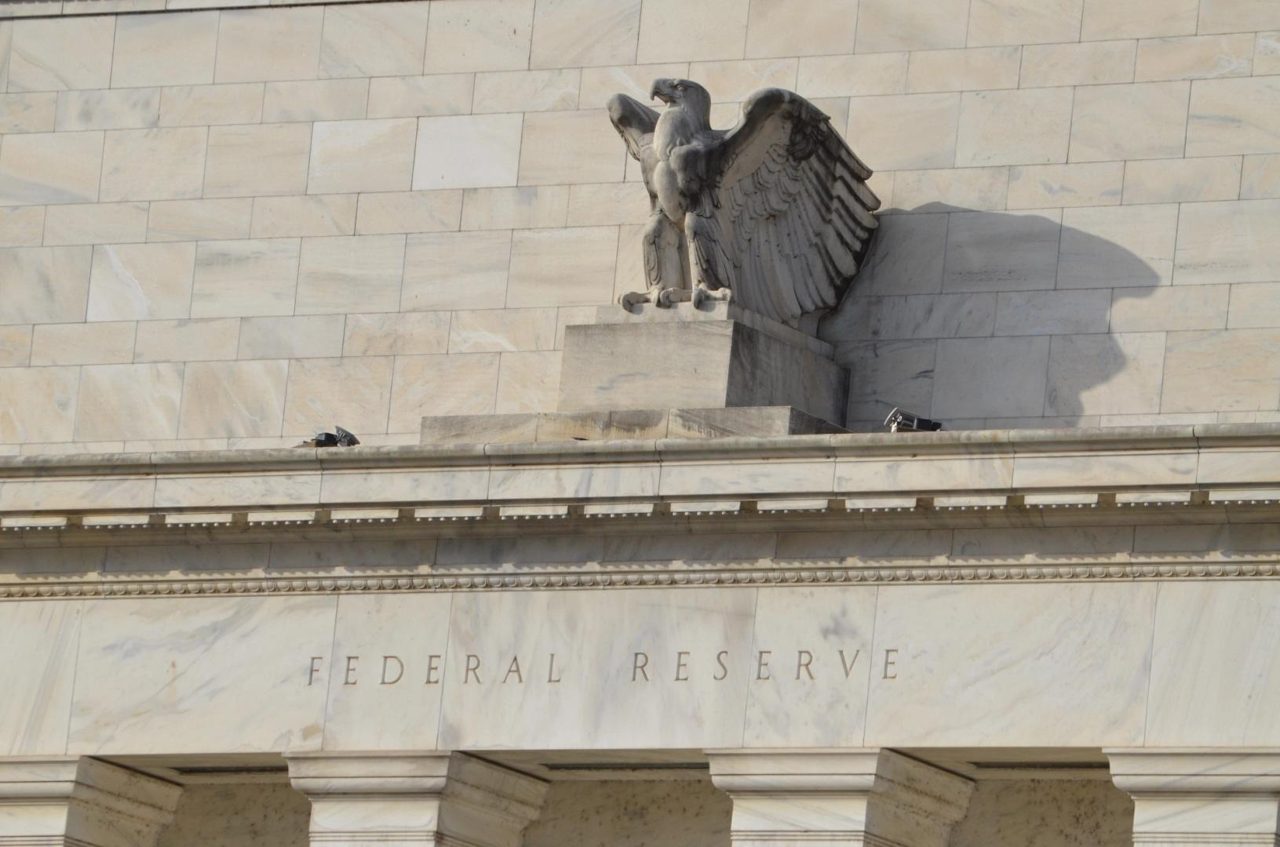
The digital asset briefly dipped below $63,000 on Monday following the Senate's delay of the Clarity Act market structure bill, but quickly recovered. Attention now turns to the Federal Reserve's rate decision later Wednesday, where markets are pricing a 15% probability of an increase, followed by core PCE inflation and second-quarter GDP data.