SK hynix tumbles 15% on profit-taking, delayed HBM4 hopes
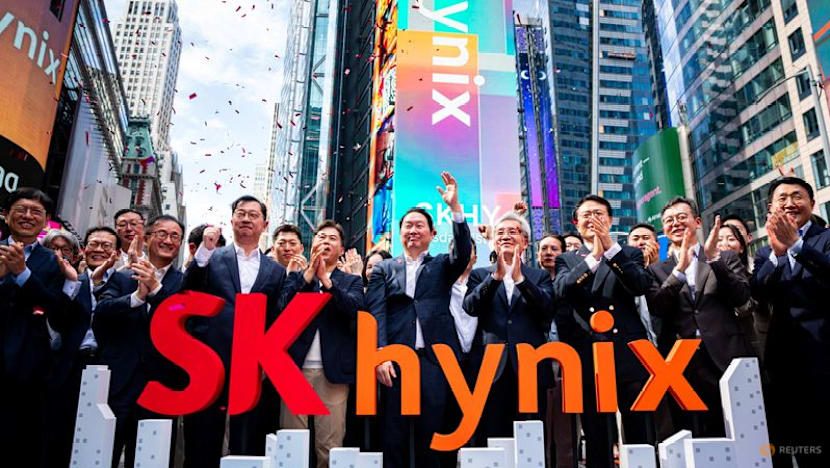
A record 15% plunge in SK hynix shares following its US listing triggered a KOSPI trading halt, exposing the fragility of leveraged AI chip bets as investors brace for disappointing second-quarter earnings.
SK hynix shares fell more than 15 per cent on Monday, marking the stock's largest single-day decline on record. The selloff triggered a 20-minute trading halt on the KOSPI, which plunged 9 per cent as rival Samsung Electronics also dropped sharply. The losses extended after trading resumed, ignoring government pledges from President Lee Jae Myung to channel state support into chip, AI data centre and physical AI projects.
The crash follows the company's massive US listing. SK hynix raised over $26 billion last week through American Depositary Receipts priced at $149, capping a year in which its Seoul shares had more than tripled. Volatility had surged as global investors piled into the name, with leveraged products amplifying the Monday rout. In Hong Kong, a CSOP-managed ETF targeting twice the daily return of SK hynix lost more than a third of its value.
The selloff has created a stark pricing anomaly. SK hynix's US ADRs closed at $168 on Friday, leaving them trading at roughly a 37 per cent premium to the underlying South Korean shares. "Companies with both US and home-market listings often trade at a premium in the US, benefiting from broader investor access, deeper liquidity and stronger valuation support," said James Ooi, a market strategist at Tiger Brokers, who noted that arbitrage is constrained by hurdles in converting Korean shares into ADRs.
Beyond mechanical profit-taking, the decline reflects growing anxiety about the company's fundamentals ahead of its second-quarter results. Ryu Young-ho, a senior analyst at NH Investment & Securities, said investors had expected a material increase in HBM4 chip shipments starting in the second quarter, but that ramp has not materialized at scale. Furthermore, because SK hynix is heavily exposed to the high-bandwidth memory market, it is poised to benefit less than Samsung from a recent uptick in conventional DRAM pricing.
The broader AI investment thesis is facing fresh scrutiny from analysts. Lorraine Tan, a director at Morningstar, values the ADRs at $160, well below Friday's close. "The current memory upcycle is tracking substantially stronger than expected, but our base case continues to assume normalisation in cycle dynamics, limiting upside at current levels," she said, warning that uncertain AI monetisation and shifting funding models raise concerns about spending sustainability.