SK Hynix flags 2027 memory shortage as AI capex tops $1tr
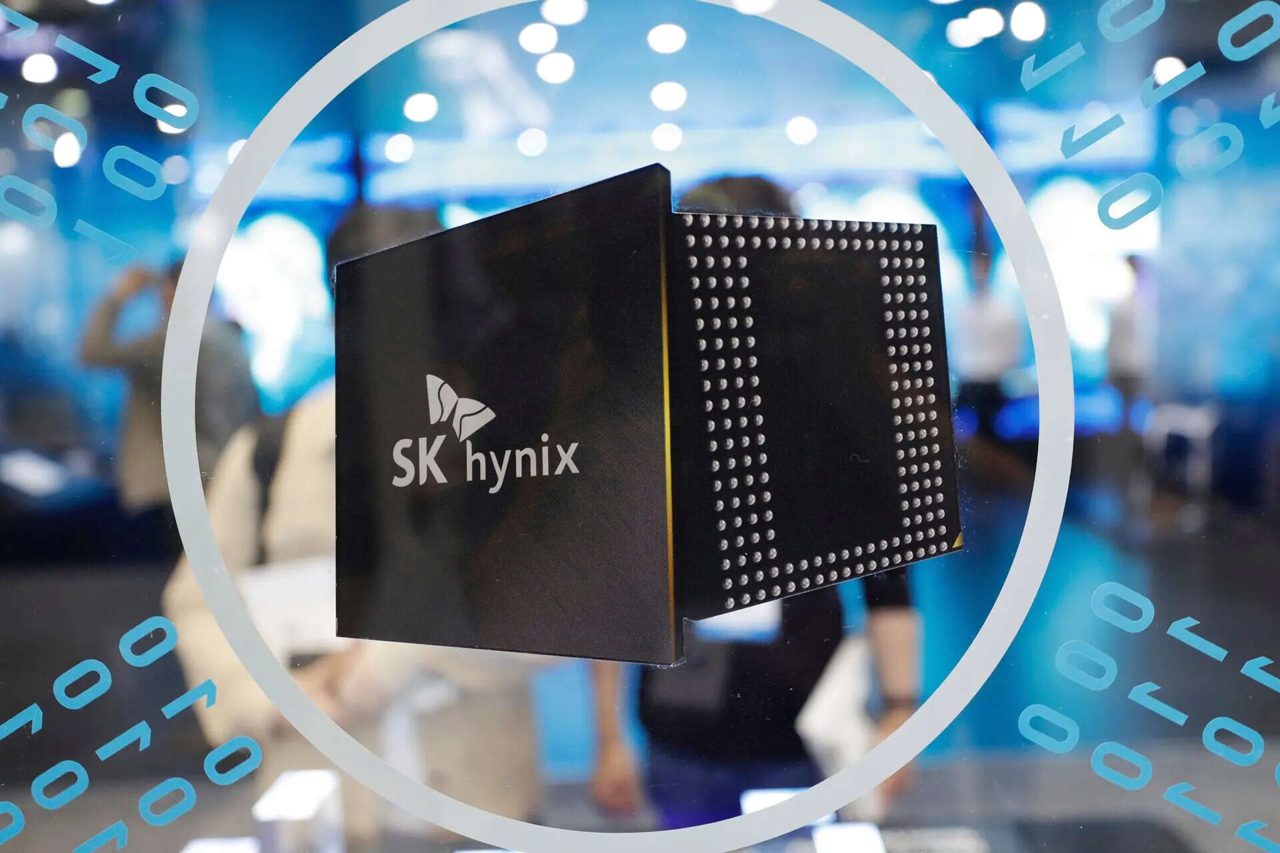
SK Hynix has warned of a historic memory chip shortage by 2027, signaling that soaring AI infrastructure spending will keep the advanced semiconductor market severely undersupplied despite recent investor fears of a bubble.
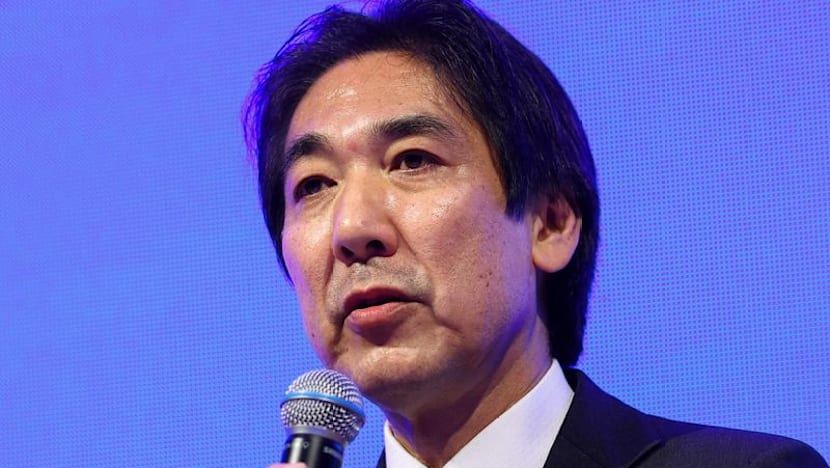
SK Hynix expects a historic shortage of memory chips to emerge by 2027, with supply constraints persisting well beyond 2030. The warning, issued by executive Kwak following the company's Nasdaq debut, comes as demand for high-bandwidth memory outpaces the industry's ability to build new manufacturing capacity. The chipmaker is projected to report an operating profit of roughly 65.5 trillion won for the April-June quarter, building on a record 47 trillion won earned in 2025.
The forecast directly challenges recent market jitters that have knocked 18% off SK Hynix's share price over the past two weeks. Investors have grown wary of a potential peak in AI spending, prompted by reports that Apple is diversifying its supply chain and Meta is looking to commercialize excess computing capacity. Those fears overlook the stock's more than sevenfold surge over the past year and the broader capital expenditure trajectory.
Bank of America estimates global hyperscaler capital expenditure will hit approximately $851 billion this year before rising to roughly $1.15 trillion next year. The bank views the $244 billion raised by major hyperscalers this year as balance-sheet optimization rather than a sign of funding stress. Nvidia CEO Jensen Huang also recently stated that AI memory shortages will continue for years and confirmed SK Hynix will remain Nvidia's largest memory supplier.
Massive capacity expansions underway
The semiconductor industry is scrambling to address the structural deficit. In South Korea, SK Hynix and Samsung Electronics are participating in a government-backed initiative involving roughly 400 trillion won ($266 billion) each in new production facilities. SK Hynix is additionally constructing a large semiconductor complex in Yongin.
In the United States, SK Hynix is investing around $4 billion in an advanced packaging plant in Indiana and plans to spend another $10 billion on AI-focused businesses. The US remains under consideration for a future wafer fabrication facility, though Kwak noted no final investment decision has been made. Rival Micron recently reinforced the capacity push, raising its US investment commitment to over $250 billion through 2035 from a previous $200 billion target.
UBS forecasts the global DRAM market will remain undersupplied until at least the second quarter of 2028. Even with these aggressive construction timelines across the US and Asia, the sheer scale of AI compute requirements continues to outstrip the physical limits of chip manufacturing expansion.