SpaceX post-IPO slump exposes gap between AI hype and rocket reality
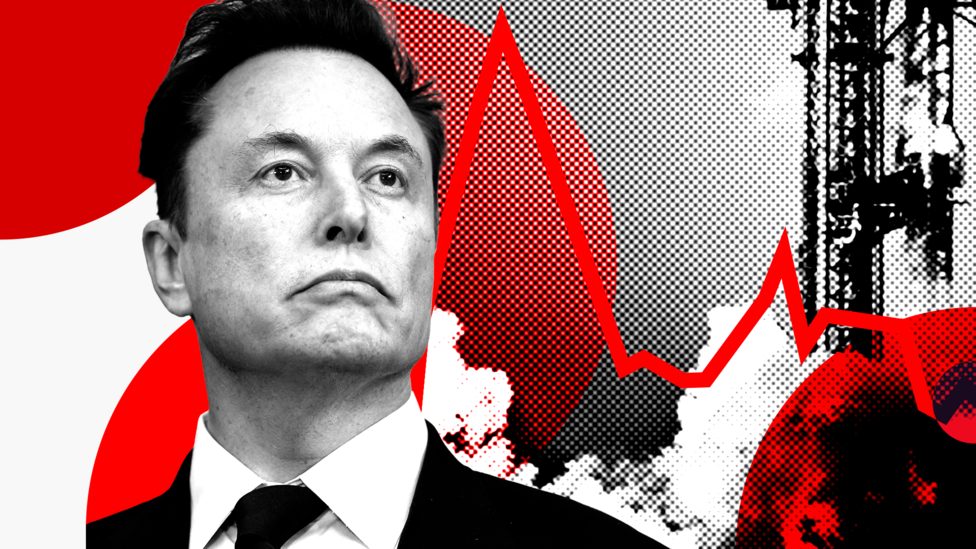
SpaceX shares have fallen 35% from their peak as retail investors who bought into the artificial intelligence narrative face steep losses ahead of a critical earnings report and employee lock-up expiration.
SpaceX has lost roughly a third of its value since its record-breaking debut last month, leaving retail investors with losses as the market recalibrates expectations. The company priced its initial public offering at $135 on June 12 and saw its stock surge to an intraday peak of $225 the following week, briefly surpassing Amazon and Microsoft in total market value. As of the end of its first trading month, shares were hovering around $145, down 18% from the first-day close.
The explosive launch was largely driven by retail enthusiasm for artificial intelligence rather than the company's core aerospace operations. "With Elon Musk, any company he touches gets people excited," said Keith Snyder, an analyst at CFRA, while Willy Lee of Neosteller added, "Everyone saw SpaceX as an AI story." This perception followed the company's acquisition of xAI—recently renamed SpaceXAI—and its move to lease data centre capacity.
However, SpaceX primarily manufactures rockets and operates the Starlink satellite network, a business that currently operates at a loss. When Starlink recently cut prices in Memphis, Tennessee, amid local pushback against a massive data centre project, the stock dropped 8% in a single session. The incident underscored the tension between the company's AI valuation and its actual revenue drivers.
The subsequent sell-off has created a sharp divide between different classes of shareholders. "If you're an IPO investor, you're ok," said Samuel Kerr, who heads equity capital markets analysis for Mergermarket. "If you bought in the first few days, you're not very happy right now."
"It started to look a lot like a meme stock," Snyder noted, pointing to retail investors driving up the price through online excitement. "If you bought around the first tick you're definitely underwater." He expects the stock to dip further to around $115, a valuation of roughly $1.5 trillion, ahead of an early August earnings report that will coincide with an employee lock-up expiration.
Chief Executive Elon Musk demonstrated strategic timing during the peak of the frenzy. When the stock spiked on June 16, SpaceX announced a $60bn all-stock acquisition of Cursor, an AI coding start-up. "It showed a level of market sophistication that almost no other issuer has," Kerr said.
SpaceX generated $18bn in revenue last year, meaning Musk's $1tn revenue target for 2030 requires a 55-fold increase. "If SpaceX can do all the things it says it will do, yes, investors are sitting on the most valuable company ever," Kerr said. "But it's got a lot of work to do to get there."