US Airlines Slash Forecasts as Iran Conflict Fuels Jet Price Surge
The collapse of a US-Iran ceasefire has pushed Brent crude back above $100, triggering severe margin compression across the airline sector and guaranteeing higher fares for travellers.
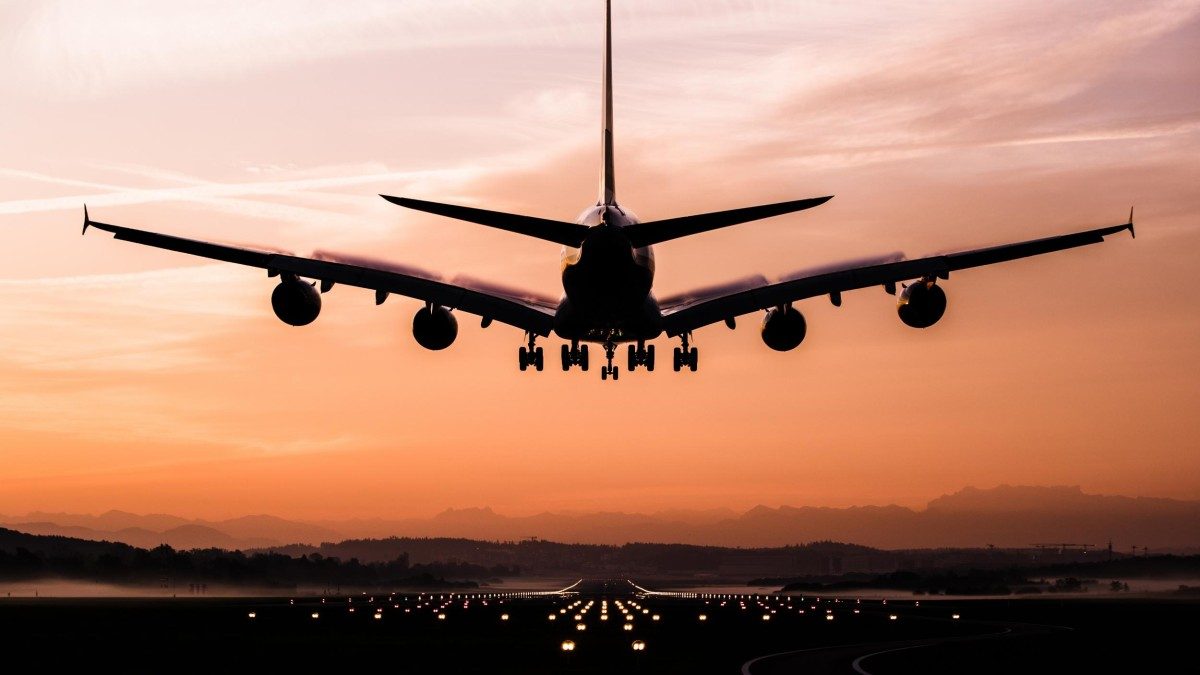
US airlines have slashed their full-year earnings guidance after the collapse of a US-Iran ceasefire pushed Brent crude back above $100 a barrel, reigniting a fierce jet fuel price rally. The resumption of Middle East hostilities abruptly ended a three-week period of depressed prices, catching carriers in the middle of peak summer travel demand.
The timing of the price spike is devastating for airline margins. Carriers are now absorbing billions in extra costs precisely when passenger volumes should be driving peak profitability. Rather than absorbing the hit, the industry is passing these costs directly to consumers, meaning air fares will remain elevated for the foreseeable future.
The scale of the financial damage is evident in second-quarter results. American Airlines posted record quarterly revenue of $16.7 billion, yet its fuel expenses surged 83% year-over-year, adding $2.2 billion to its cost base. The carrier now expects full-year adjusted earnings per diluted share to range from a loss of $0.65 to a profit of $0.65.
American also warned of a third-quarter loss of between $0.10 and $0.70 per share, sharply missing analyst consensus forecasts of a $0.61 profit. United Airlines faced a similar dynamic, with Q2 fuel costs jumping 84% to an additional $2.3 billion. United now projects nearly $6 billion in added fuel expenses for full-year 2026 compared to its initial outlook.
Southwest Airlines beat consensus estimates for the second quarter but still suffered a $900 million year-over-year increase in fuel costs, creating a $1.17 headwind to adjusted earnings per share. The carrier cut its full-year adjusted EPS guidance to a range of $3.25 to $4.25, down from a previous floor of $4.00.
Underlying the price surge are genuine physical supply constraints in the US market. Tightness has been building since March, particularly on the West Coast, which relies heavily on imports. In a highly unusual move to secure supply, Southwest chartered a vessel to ship 12.6 million gallons of jet fuel from Houston to Los Angeles via the Panama Canal in late May.
This shipment was only possible after the Trump Administration granted a temporary waiver to the Jones Act. “It brought like a week’s supply to the West Coast at a time when supply was most constricted ... when it was most at risk,” Southwest chief financial officer Tom Doxey said this week. These domestic bottlenecks are being exacerbated by global market dynamics, as US exports of jet fuel, gasoline, and diesel all hit record highs this month.
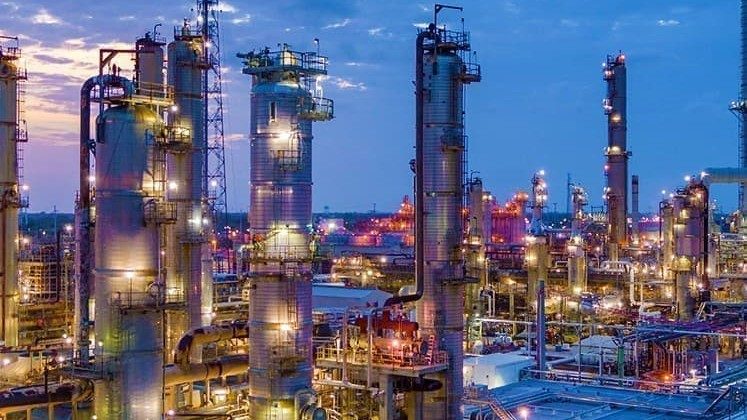
Refiners are capitalizing on soaring margins while crude supply remains constrained by disruptions at the Strait of Hormuz. The combination of geopolitical risk and constrained physical supply has fundamentally altered the industry's risk calculus. United moved to bolster its defenses by raising $3.7 billion in new private liquidity, explicitly citing the need for insurance against further extreme oil price spikes.