Sberbank to launch crypto trading infrastructure by December
Russia's largest lender is building a regulated crypto trading platform to facilitate foreign trade as Western allies move to shut down digital asset loopholes.
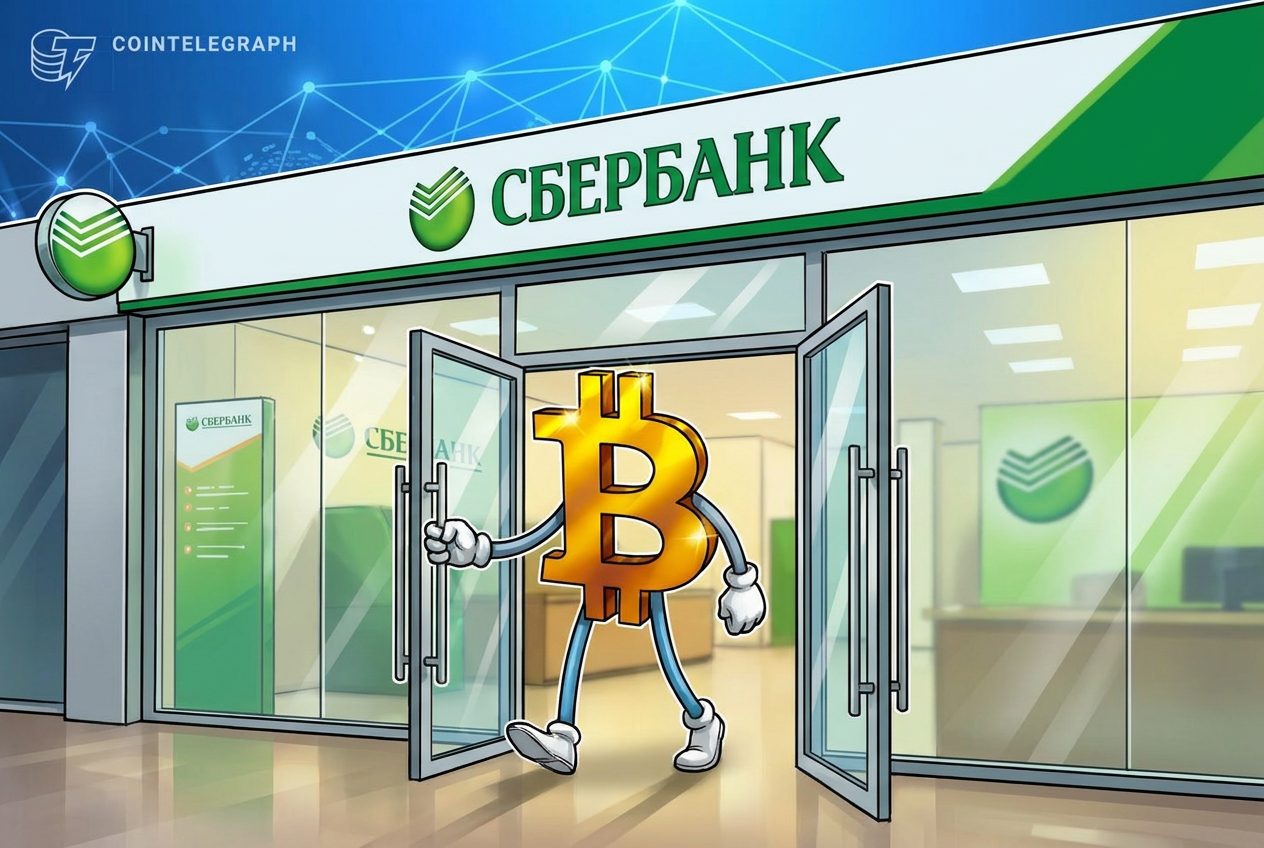
Sberbank plans to launch cryptocurrency trading infrastructure by December 1. This move marks a major step in Russia’s effort to incorporate digital assets into its regulated financial system.
The state-aligned bank will build a digital depository to record ownership and handle the majority of transactions off the main blockchain. “One of the key elements of the new infrastructure will be a digital depository, which will maintain records of clients’ cryptocurrency rights and account for transactions outside the main blockchain,” said Alexander Vedyakhin, first deputy chairman of Sberbank’s management board. “It will also facilitate transactions on active wallets to fulfill clients’ currency transfer orders.”
This build-out follows the final approval of a comprehensive crypto market bill in Russian parliament earlier this month. The legislation grants the Bank of Russia sweeping authority to license intermediaries and dictate which crypto assets can be offered. Under the new rules, only highly liquid assets will qualify for the regulated market.
The central bank has mandated that eligible cryptocurrencies must boast an average market capitalization exceeding 5 trillion rubles, roughly $64 billion, alongside an average daily trading volume of more than 1 trillion rubles over a two-year period. When the framework takes effect on September 1, 2026, it will create five distinct categories of regulated entities, encompassing exchanges, brokers, asset managers, custodians and exchange service providers. For Moscow, formalizing this infrastructure is primarily about sustaining foreign trade operations as traditional financial rails remain constrained.
Sberbank’s off-chain depository model suggests a focus on internal settlement and cross-border transfers rather than decentralized trading. The push to establish a compliant domestic crypto market contrasts sharply with the escalating sanctions campaign led by Western governments. Last week, the European Council added cryptocurrency exchange HTX, formerly Huobi Global, to a list of 18 entities sanctioned for providing digital asset services that significantly frustrate EU prohibitions against Russia.
The UK imposed similar sanctions on HTX in May, citing reasonable grounds to suspect the exchange was supporting the Russian government through funds facilitated by sanctioned entities. In tandem with targeting specific exchanges, the EU is hardening its broader regulatory perimeter by prohibiting Belarusian nationals and residents from owning or managing crypto service providers operating under the bloc’s MiCA framework.