S&P 500 ETF VOO Favored Over VTI Ahead of Split Fed Outlook
A divided Federal Reserve heading into its July meeting is driving a structural market argument for holding the Vanguard S&P 500 ETF over broader total-market funds to navigate rate uncertainty.
Federal Reserve officials are openly split on the trajectory of interest rates ahead of their July 28-29 meeting. The latest dot plot indicates an exact divide among voting members, with half favoring a rate hike by year-end and half projecting no such increase.
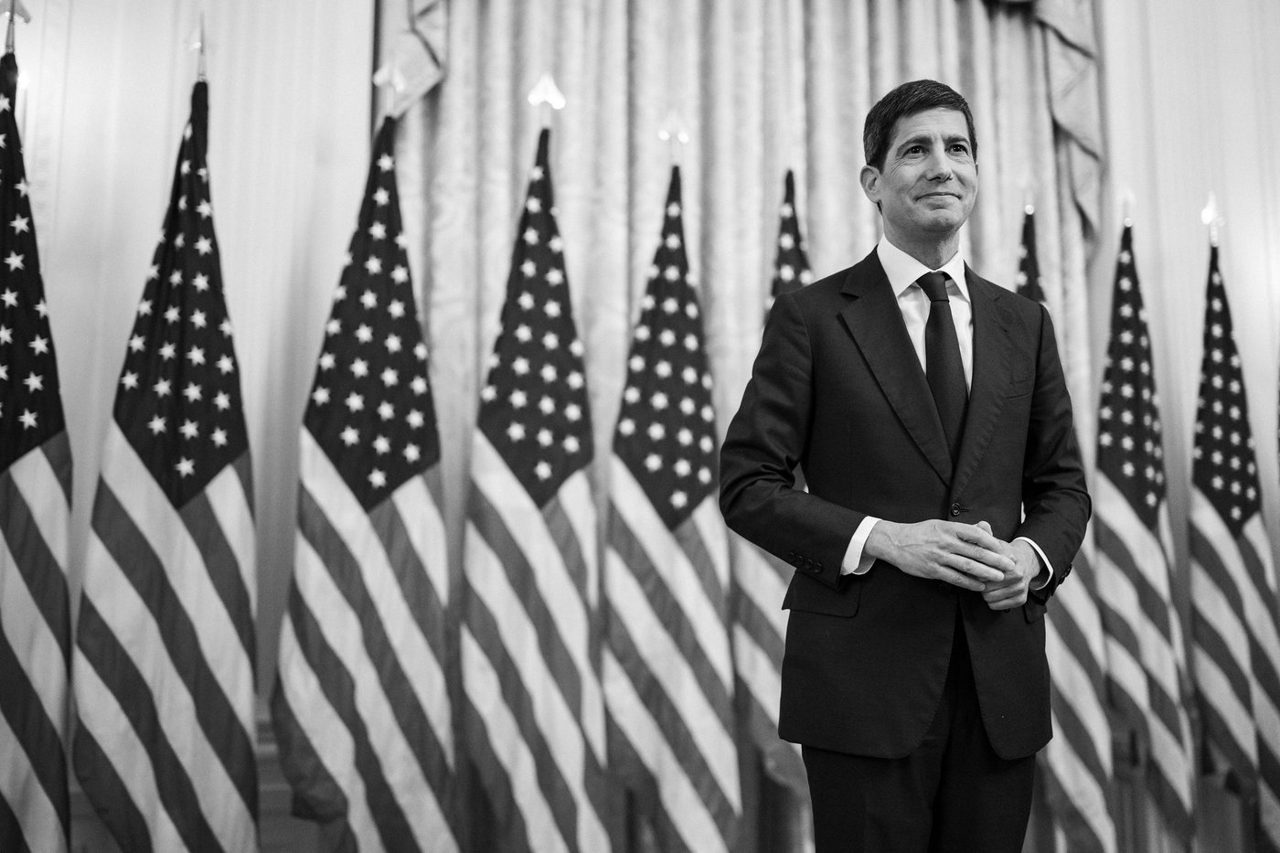
This policy divergence is compounded by new Chair Kevin Warsh, who deliberately opted not to submit his own economic projection in June. His public comments have offered little clarity on the timing or direction of future rate moves. His only definitive guidance to the markets is that he maintains "no tolerance" for high inflation.
Equity markets historically discount certainty, making this binary split among policymakers particularly challenging for portfolio construction. The temptation for investors is to make aggressive tactical allocations based on whether they anticipate a hawkish or dovish surprise. However, when the central bank's next move is effectively a coin toss, attempting to position for a specific outcome introduces unnecessary risk.
In this environment, the Vanguard S&P 500 ETF (VOO) presents a mechanism to bypass the guesswork. The fund is designed as a multi-year buy-and-hold vehicle that tracks the vast majority of the U.S. equity market. Utilizing VOO allows investors to maintain long-term asset allocation targets without reacting to the short-term noise of a two-day Federal Reserve meeting.
Furthermore, there is a compelling structural argument for choosing VOO over broader passive alternatives like the Vanguard Total Stock Market ETF (VTI) ahead of this specific meeting. The fundamental difference between the two funds in this context is their exposure to small-capitalization stocks. VTI holds small caps, while VOO entirely excludes them.
Because small-cap stocks are highly sensitive to the cost of capital, a rate hike or hawkish hold from the Fed would hit them with disproportionate downside risk, an exposure VOO naturally avoids. Conversely, a surprisingly dovish tone from Warsh would likely trigger a rally in mega-cap growth stocks, which VOO overweights relative to VTI.
While characterizing any single fund as having a guaranteed advantage is dangerous, VOO’s lack of small-cap vulnerability and its concentration in mega-cap growth create a reasonable case for outperformance regardless of the Fed's ultimate decision later this month.