UK consumer confidence jumps, but K-shaped spending persists
A sharp rise in UK consumer confidence following the new prime minister's policy announcements masks a widening wealth divide that threatens to limit the country's economic growth.
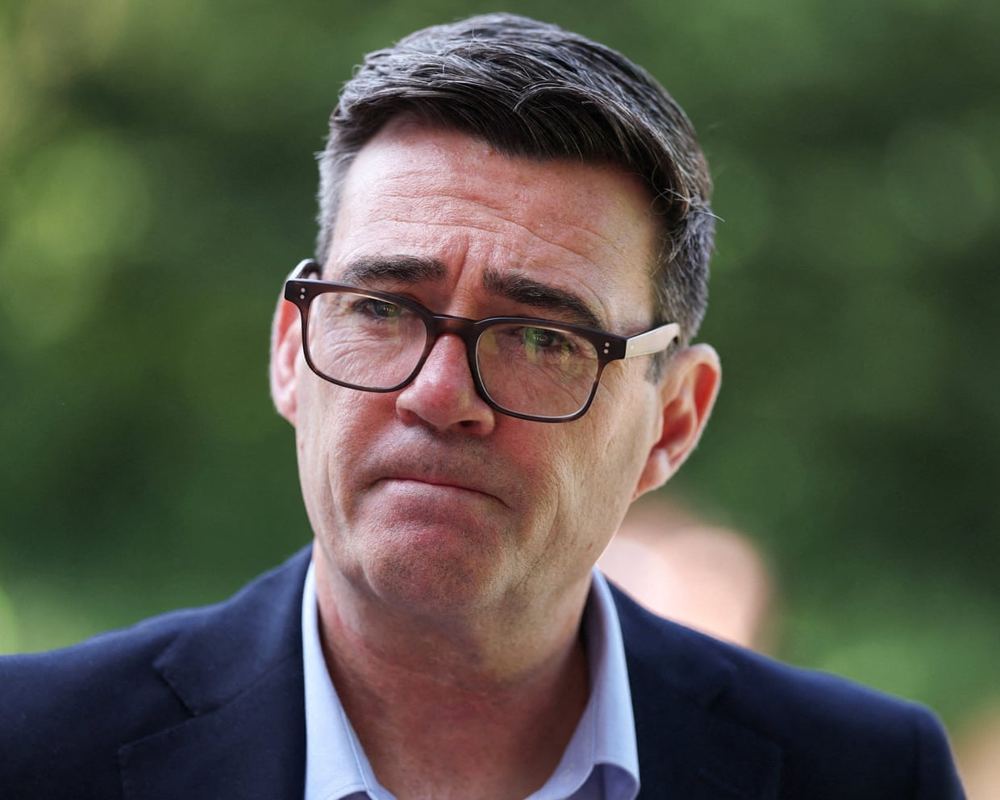
UK consumer confidence posted its fastest monthly gain in almost three years in June, lifted by a flurry of policy announcements from newly appointed Prime Minister Andy Burnham. Data company GfK recorded a 10-point advance in consumers' assessment of the past year and an eight-point improvement for the year ahead. “The sense of a fresh start following the appointment of a new prime minister surely accounts for some of this bounce,” GfK said.
The sentiment shift follows plans for a temporary VAT cut on electricity bills from October, a £2 cap on bus fares in England, and a 20% reduction in business rates for pubs, clubs and live music venues. Headline inflation has also offered some respite, dropping more than expected to 2.6%. Yet, these headline improvements obscure a highly fractured consumer base that poses ongoing risks for businesses dependent on domestic demand.
Household consumption drives roughly 60% of the UK economy, making these underlying disparities critical for investors to track. Official figures for the year to March 2025 reveal that spending by the wealthiest fifth of households grew by 10%, adding £98.10 a week to reach £1,083.60. In stark contrast, the poorest fifth saw just a 5% increase, or £18.10, taking their weekly expenditure to £407.30.
This divergence is rooted in the uneven impact of the recent inflationary shock, which has pushed overall consumer prices up by more than a quarter since late 2021. While elevated Bank of England interest rates have heavily squeezed borrowers, mortgage-free over-65s have been insulated, helping push the household saving ratio to a decade-high of 8.9%. Bank research indicates the top 40% of earners and retirees captured the bulk of these savings, while the poorest fifth actually depleted theirs.
For the hospitality and services sectors, this concentration of wealth limits the broad-based recovery needed to close a persistent output gap. Consumer-facing services remain about 6% below pre-pandemic levels, with travel agents, hotels, and food and drink outlets bearing the brunt of the weakness.
Threadneedle Street expects real incomes to have fallen by 0.5% by the end of June. Furthermore, potential inflationary pressure from the Middle East conflict suggests further belt-tightening is likely, meaning the current confidence spike may not translate into sustained spending across the economy.