Nippon Paint bids $8.6bn for AkzoNobel unit ahead of Axalta vote
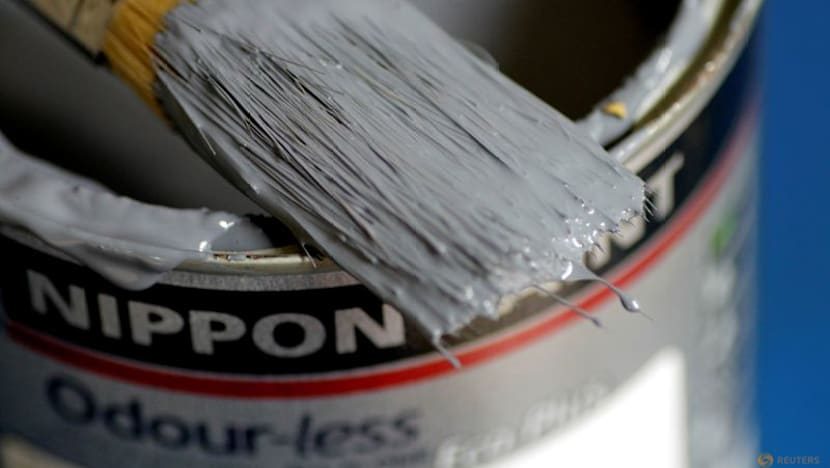
Nippon Paint's unsolicited $8.55 billion offer for AkzoNobel's decorative paints division threatens to complicate the Dutch firm's upcoming shareholder vote on its planned merger with Axalta.
Nippon Paint has proposed a €7.5 billion ($8.55 billion) acquisition of AkzoNobel’s decorative paints business. The Japanese company confirmed the approach on July 13, stating that "no specific matters regarding the acquisition have been decided." AkzoNobel declined to comment outside of regular business hours and has not engaged with the proposal or informed its shareholders.
This targeted approach follows a broader, failed takeover attempt. In May, Nippon Paint and U.S.-based Sherwin-Williams jointly offered €12.5 billion for the entirety of AkzoNobel. That bid was rejected because AkzoNobel's leadership argued the offer undervalued the business, lacked certainty on regulatory clearances, and would have split the company between two suitors.
Rather than selling, AkzoNobel is pushing ahead with a planned merger with U.S. coatings maker Axalta, with shareholder votes scheduled for August 5. Nippon Paint’s asset-specific bid, submitted multiple times over the last month including a formal proposal last week, directly challenges this timeline. The unsolicited approach forces the Dutch firm's board to justify the Axalta deal to investors who might prefer the immediate liquidity of a divestment.
For market professionals, the situation highlights a complex valuation debate within the industrial coatings sector. The AkzoNobel board must convince shareholders that the long-term synergies of an Axalta merger outweigh the certain capital injection offered for the decorative unit, which includes the Dulux brand.
The persistent courting by Nippon Paint also reflects a wider macroeconomic reality facing paint manufacturers. Companies across the industry are aggressively pursuing mergers to drive cost savings against a backdrop of rising costs, fierce global competition, and market uncertainty generated by U.S. President Donald Trump's tariffs on imported goods.