Ghana Pays $700m Eurobond Early, Repricing African Credit
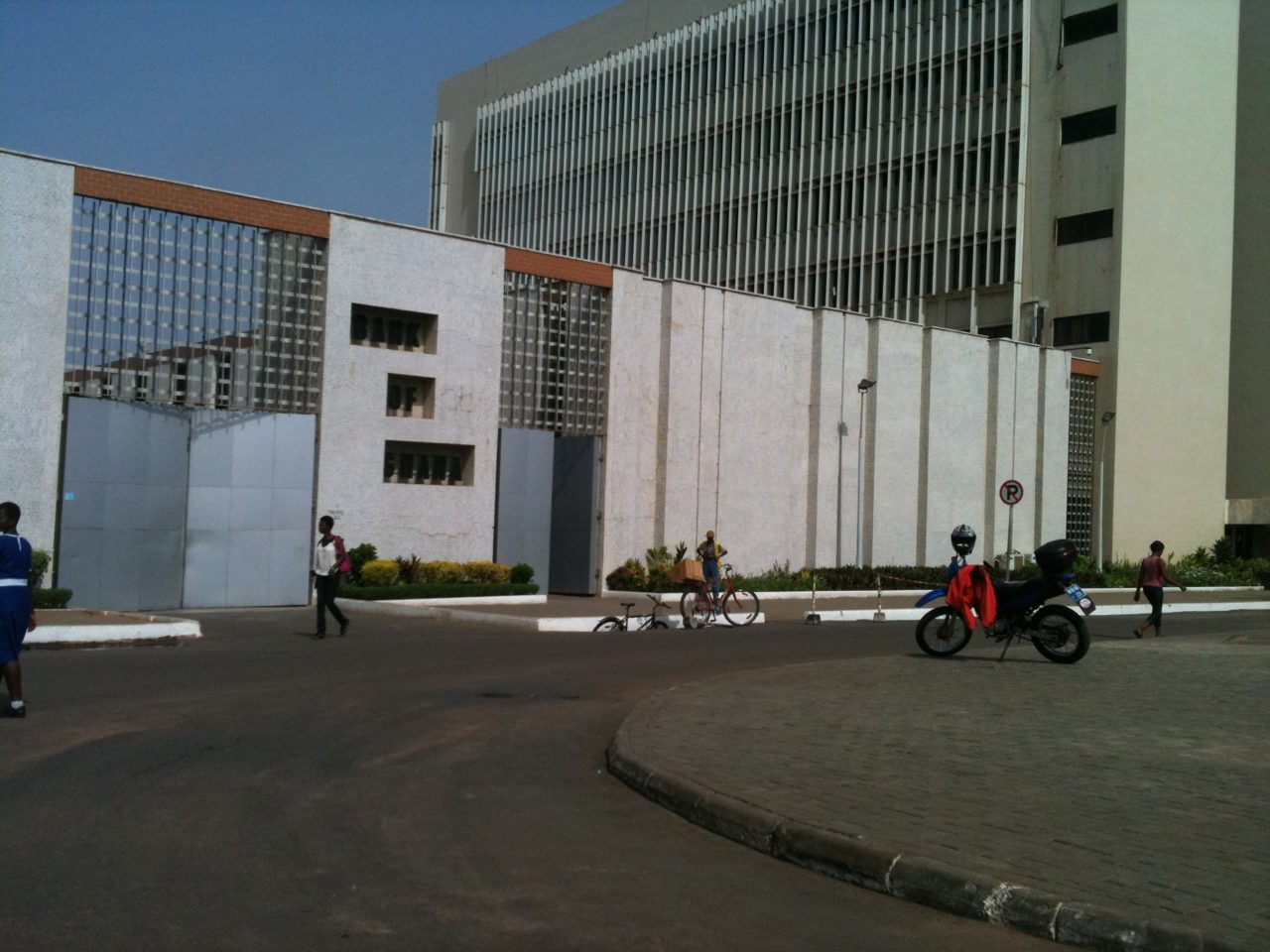
Ghana has become the first sovereign defaulter from the 2022 crisis cohort to settle commercial debt ahead of schedule, establishing a new benchmark for frontier-market credit recoveries.
On July 2, Ghana’s finance ministry settled a $700 million Eurobond obligation early, comprising $525.2 million in principal and $174.8 million in interest. This makes the country the first from the 2022 default wave to pay commercial creditors ahead of schedule using its own reserves, a move that is actively repricing sovereign risk across African credit markets.
The payment brings total disbursements to Eurobond holders to $2.1 billion since January 2025. The ministry stressed the transaction did not pressure foreign-exchange reserves, a stark contrast to late 2022 when Ghana suspended payments on roughly $30 billion of external debt. A $3 billion IMF Extended Credit Facility, of which roughly $2.8 billion has been drawn, anchored the macroeconomic stabilization required to resume servicing.
This turnaround was built on a brutal restructuring. An agreement reached in June 2024 imposed a 37 percent haircut, wiping roughly $4.7 billion off face value, and extended maturities to provide $4.4 billion in cash-flow relief. The consent solicitation achieved near-universal participation at 98.6 percent, allowing new bonds to be issued by October 2024.
Meeting the IMF’s primary-balance targets to unlock these restructuring benefits has come at a steep domestic political cost. Finance Minister Cassiel Ato Forson pushed through a contentious 0.75 percent fee on mobile-money transfers to banks, capped at 55 cedis. Previous revenue packages, including higher excise duties, passed parliament by a single vote.
To prevent a relapse, Accra has overhauled its liability management. A newly reactivated dollar Sinking Fund is pre-funding upcoming Eurobond obligations of $1.42 billion this year, $1.17 billion in 2027, and $1.14 billion in 2028. A parallel cedi fund is addressing 20 billion cedis in domestic debt humps.
These mechanisms support a national reserve-accumulation policy targeting 8.6 months of import cover by the end of 2026, rising to 15 months by 2028. Crucially, the 2026 budget assumes zero new Eurobond issuance, breaking the pre-2022 cycle of borrowing to build reserves that previously cost taxpayers $2.5 billion in interest.
For emerging-market investors, Ghana validates the G20 Common Framework as a viable crisis-management tool. With 19 of 25 bilateral creditors, including China, signing onto the coordinated process, the country is now transitioning to a Policy Coordination Instrument without fresh IMF money. It offers a proof-of-concept that disciplined fiscal adjustments and coordinated restructurings can restore market access without returning to the capital markets prematurely.