Ethiopia's Babile Sanctuary Faces Extinction as Agribusiness Overruns Protected Land
The near-extinction of Ethiopia's Babile elephant population exposes severe governance risks in the country's agribusiness sector, where unchecked land allocations are destroying long-term ecotourism value for short-term agricultural gains.
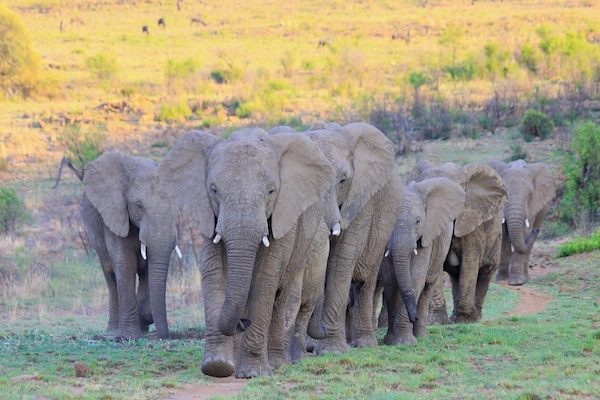
Ethiopia’s Babile Elephant Sanctuary has lost 75% of its protected area to farmland, leaving its elephant population at just 200 to 300 animals and sanctuary officials warning the herd is “on the verge of extinction.”
A 2024 parliamentary committee found that the 6,980-square-kilometre reserve exists largely on paper. Illegal houses grew from 18,000 in 2006 to over 50,000 by 2017, bringing 35,000 people and 150,000 livestock into the park. This encroachment has driven a 65.5% reduction in the elephants' home range since 1976.
Agribusiness overrides conservation
The crisis is not solely driven by informal squatters. Formal land allocations by regional authorities have actively dismantled the sanctuary to attract agricultural investment. Local officials granted 10,000 hectares to a private company for castor biofuel cultivation, a move the wildlife authority’s own management plan described as “a calamity.” Authorities also allocated 200 hectares to an agricultural investor called Three Apples without federal approval.
These allocations reflect a national strategy that pushes agribusiness into “under-used” lands to drive economic growth. For investors, however, the situation highlights severe counterparty and governance risks. Zonal and regional authorities routinely issue permits inside protected zones without the national wildlife authority's consent. Local university partners link these breaches to “unsteadied investment licenses, corruption and malpractice.”
Economic trade-offs
The destruction of the sanctuary carries a tangible economic cost. The park sits near the historic city of Harar and could anchor a high-value ecotourism circuit. Instead, a lack of security and basic infrastructure has left this potential entirely unrealised.
International donors, including the US Fish and Wildlife Service and Born Free Foundation, fund emergency patrols. Yet donor capital cannot reverse land allocations made by regional governments. The failure to protect the sanctuary undermines Ethiopia’s standing in global environmental forums and weakens donor confidence in the country’s broader biodiversity commitments.
For emerging market investors, particularly those operating in Latin America, Babile offers a stark parallel to frontier regions like the Amazon and the Cerrado. It demonstrates that formal protected status and international attention offer little defence when local political economies align against conservation.
Conservation groups are now calling for direct intervention from Prime Minister Abiy Ahmed. Without top-level political will to overrule regional interests within the next 12 to 24 months, the northeastern-most elephant population in Africa will likely disappear within a decade.