Nigeria's 2026 budget buries N8.05bn in religious funds
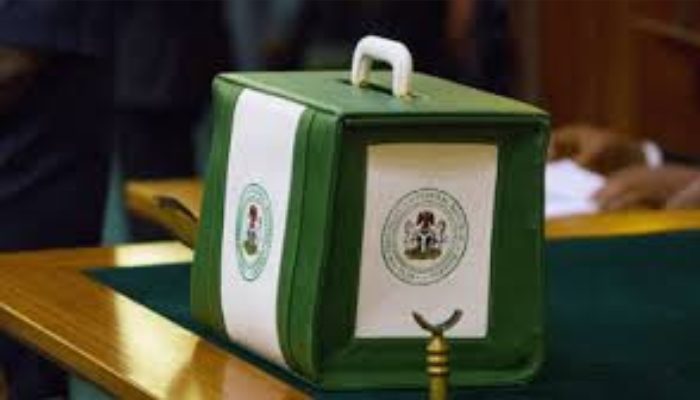
Nigeria’s 2026 budget has quietly allocated N8.05 billion to churches and mosques through unrelated ministries, raising fresh concerns over fiscal transparency and governance in Africa’s largest economy.
Nigeria’s proposed 2026 budget has come under intense scrutiny after public accountability organisation Tracka uncovered N8.05 billion allocated to religious infrastructure. The funds are heavily skewed, with N1.91 billion directed toward seven church projects and N6.14 billion earmarked for fifty-two mosque projects.
Notable line items include N1 billion for musical equipment for churches in Abia State and N1 billion for solar power at mosques in Zamfara State. Crucially, these allocations were buried inside government ministries with no statutory responsibility for religious affairs. A separate N22.15 billion was also earmarked for renovating 106 traditional palaces nationwide.
For international investors and market professionals, the discovery highlights persistent structural deficits in Nigeria’s public finance management. Disguising discretionary, non-development spending within unrelated ministry budgets obscures the true fiscal picture. In an emerging market battling severe economic headwinds, this opacity raises questions about capital allocation efficiency and government expenditure discipline.
Former vice president Atiku Abubakar described the allocations as inappropriate given widespread economic hardship. He challenged the government to publish the names of beneficiary institutions, project locations, implementing agencies, and the legal basis for the spending. “Religion occupies a sacred place in society but should never be used to shield public expenditure from scrutiny,” Atiku said.
The proposed spending has drawn pushback from religious leaders who might typically accept state patronage. Taiwo Akinola, Pastor-General of Rhema Christian Church & Towers, warned that state funding compromises institutional independence. “Financial dependence, however well intentioned, may unintentionally weaken the Church’s prophetic independence,” he said.
James Akinadewo, bishop of Lagos at Motailatu Church of God, argued the government should focus on basic amenities rather than funding evangelism. “The government should provide amenities for the people, secure lives and properties, not ‘budgetary support’ to deceive the Church and fleece the people,” Akinadewo said. Olufemi Popoola, a pastor and scholar based in The Netherlands, noted that funding religious activities in a secular state violates the rule of law.
The controversy underscores a broader friction over state-sponsored pilgrimages and religious funding, which critics argue violates Nigeria’s constitutional secularism. For financial markets, these budget rows reinforce the need for stricter oversight of public resource appropriation. It signals that despite economic pressures, fiscal transparency remains a significant hurdle.