Rose Bowl CEO shifts 103-year-old venue to event campus model
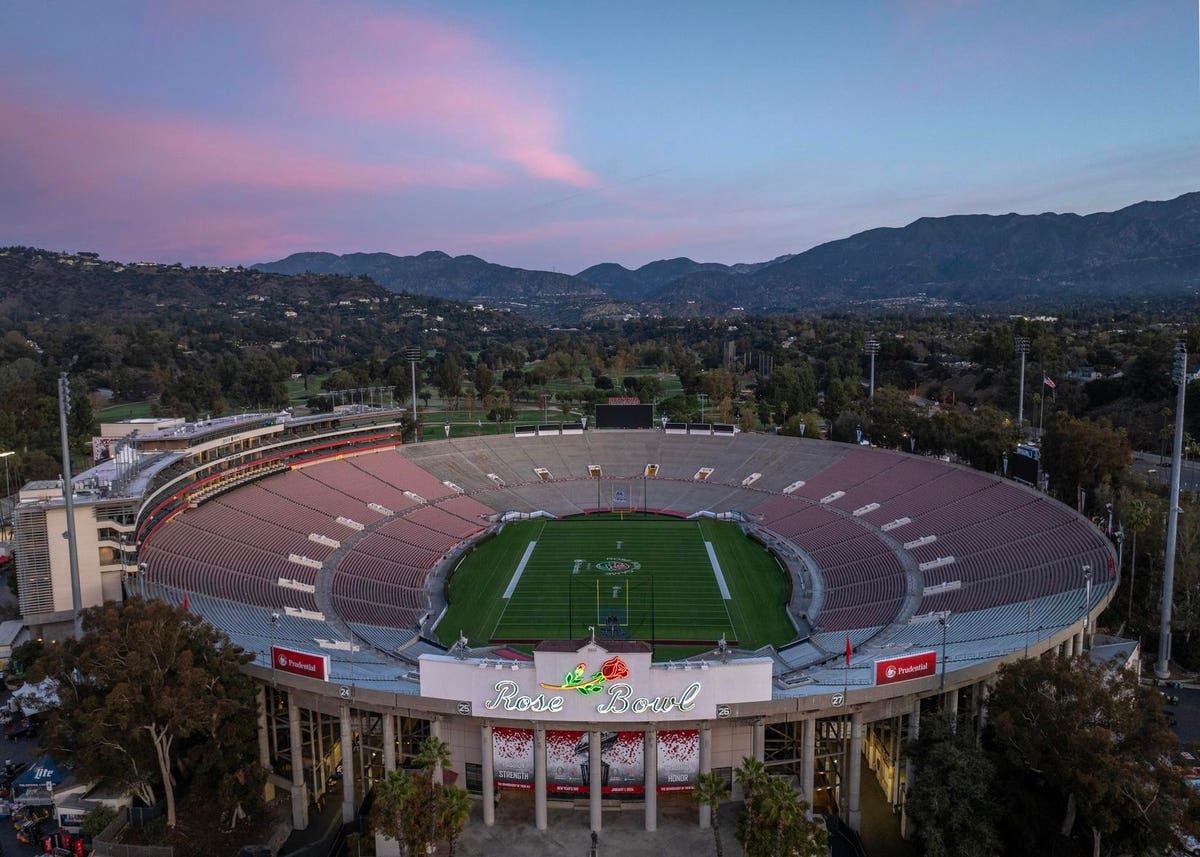
The Rose Bowl has achieved a rare balanced budget for a municipal stadium by converting its 300-acre grounds into a year-round event campus, offering a capital-efficient blueprint for historic venues competing against billion-dollar rivals.
The Rose Bowl Operating Company has overhauled the business model of the 103-year-old Pasadena stadium, replacing a reliance on sporadic marquee football games with a high-frequency event strategy that now funds millions of dollars in annual capital improvements. CEO Jens Weiden detailed how the venue stages roughly 25 major events and more than 200 smaller enterprise events annually, drawing nearly three million visitors to the campus. This diversified revenue stream has allowed the municipally owned National Historic Landmark to maintain a balanced operating budget, a rarity for stadiums of its era.
The shift addresses a structural challenge facing legacy sports venues: how to remain financially viable without undertaking the billion-dollar overhauls seen at newer facilities like SoFi Stadium. Rather than attempting to outspend competitors on luxury suites or enclosed entertainment districts, Weiden's strategy treats the stadium's 300-acre parkland setting as its primary commercial asset. "We're not in the stadium business," Weiden said. "We're in the event business."
Management reclassified underutilized infrastructure as revenue-generating spaces to fill empty calendar days. A municipal golf course now doubles as a festival grounds, hosting nationally recognized music festivals alongside corporate gatherings, film productions, and charity runs. "The golf course isn't just a golf course," Weiden said. "It's also a festival grounds." The goal is to operate the entire property as an integrated campus rather than a single-use football arena.
For venue operators and municipal investors, the Rose Bowl's pivot demonstrates that aging sports infrastructure can achieve financial independence through intensive, low-overhead programming rather than heavy capital expenditure. By monetizing the property's natural landscape and historical authenticity, the stadium has created an economic engine that does not depend solely on ticket sales. "The most unique aspect of the Rose Bowl is its setting," Weiden said. "The setting is a star unto itself."
The model is attracting broader industry attention as cities weigh the costs of subsidizing new mega-stadiums versus preserving historic assets. Weiden has successfully positioned the venue for its third Olympic Games ahead of the 2028 Los Angeles Games, proving that a century-old municipal asset can be future-proofed without losing its architectural identity. The upcoming phase includes an $80 million reinvention, financed entirely by the venue's self-sustaining revenues.