Petrobras approves $11bn Sergipe project to double Northeast gas share
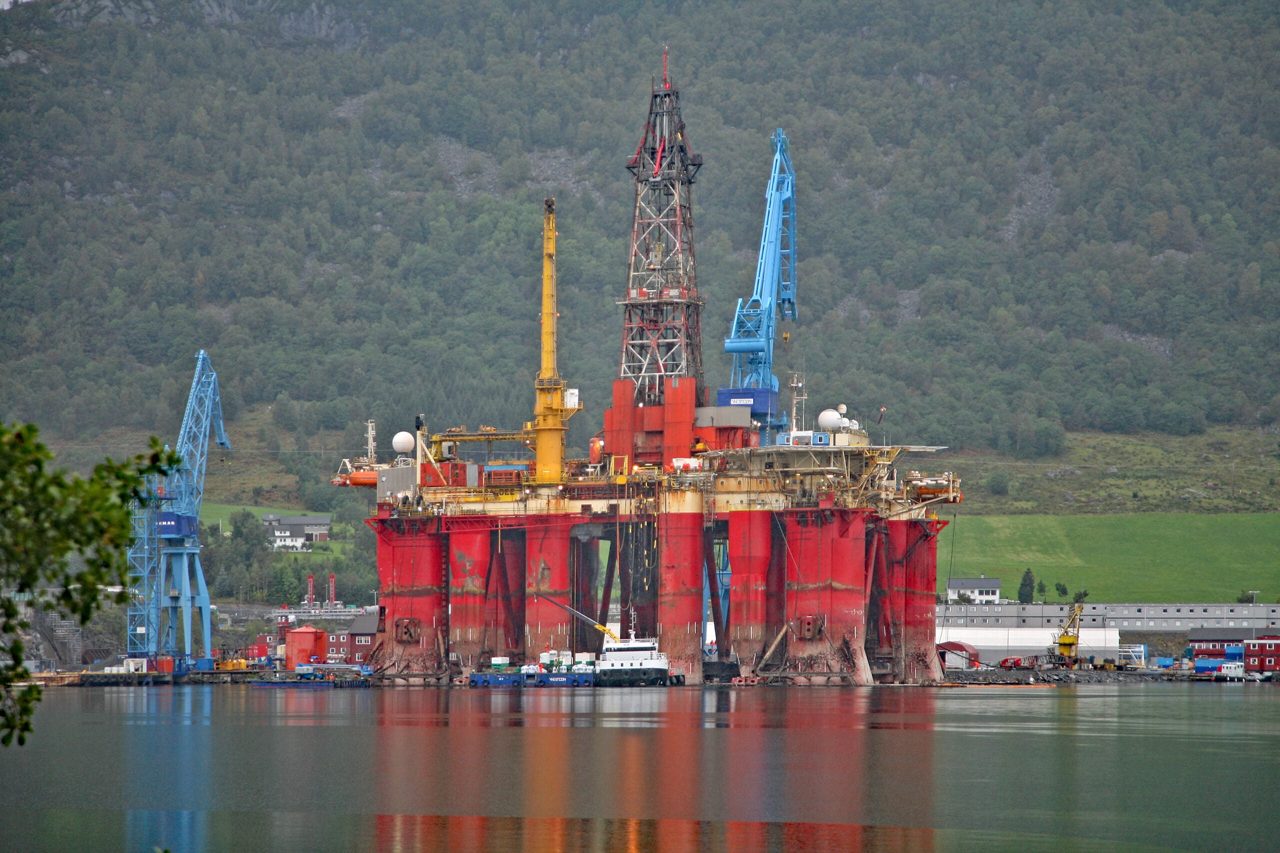
Petrobras has approved an $11 billion deepwater development in Sergipe that will nearly double the Northeast’s share of Brazil’s gas supply by 2035, reducing regional reliance on costly LNG imports.
Petrobras has sanctioned the R$60 billion (US$11 billion) Sergipe Águas Profundas (SEAP) project, marking the largest deepwater investment in Brazil’s Northeast to date. CEO Magda Chambriard confirmed the final investment decision on 28 May, following board approval in April.
The development calls for two floating production, storage and offloading vessels—named P-81 and P-87—drilling 32 wells, and laying a 134-kilometer subsea gas pipeline. Together, this infrastructure is designed to produce 240,000 barrels of oil per day and 22 million cubic metres of natural gas daily.
Of the daily gas output, 18 million cubic metres will be piped directly to shore starting in 2031. This dedicated pipeline prevents the need to reinject or flare the gas at sea, maximizing its commercial value. Once fully operational, this volume is expected to lift the Northeast’s share of Brazil’s national gas supply from roughly 16% to 31% by 2035, effectively establishing a new domestic gas hub.
For decades, the Northeast has depended heavily on piped gas from the Espírito Santo and Rio de Janeiro coasts, alongside volatile international liquefied natural gas (LNG) imports. By anchoring new deepwater production off the coast of Sergipe, Petrobras aims to insulate regional power generation and heavy industry from external price shocks and the logistical costs of long-distance transport.
The project also represents a strategic pivot for Petrobras. Historically, the state-controlled giant’s deepwater expertise and capital were concentrated in the pre-salt provinces of the Southeast. The SEAP investment proves the commercial viability of the Sergipe-Alagoas Basin, reallocating significant capital to a new geographic frontier.
While the crude produced by the P-81 and P-87 vessels will target export markets, the gas component is squarely aimed at domestic needs. Industries such as petrochemicals, fertilizers, and ceramics stand to gain from more predictable input costs. This stability could attract further industrial investment to the Northeast, generating supply chain spin-offs.
For equity and infrastructure investors, the capex commitment signals long-term confidence in regional demand. The immediate focus for markets will now shift to the procurement phase. First oil is targeted for around 2030, but near-term opportunities will emerge as Petrobras awards contracts for the FPSO hulls and subsea equipment over the coming months.