Banco do Brasil Renegotiates $1.86bn Under Desenrola 2.0
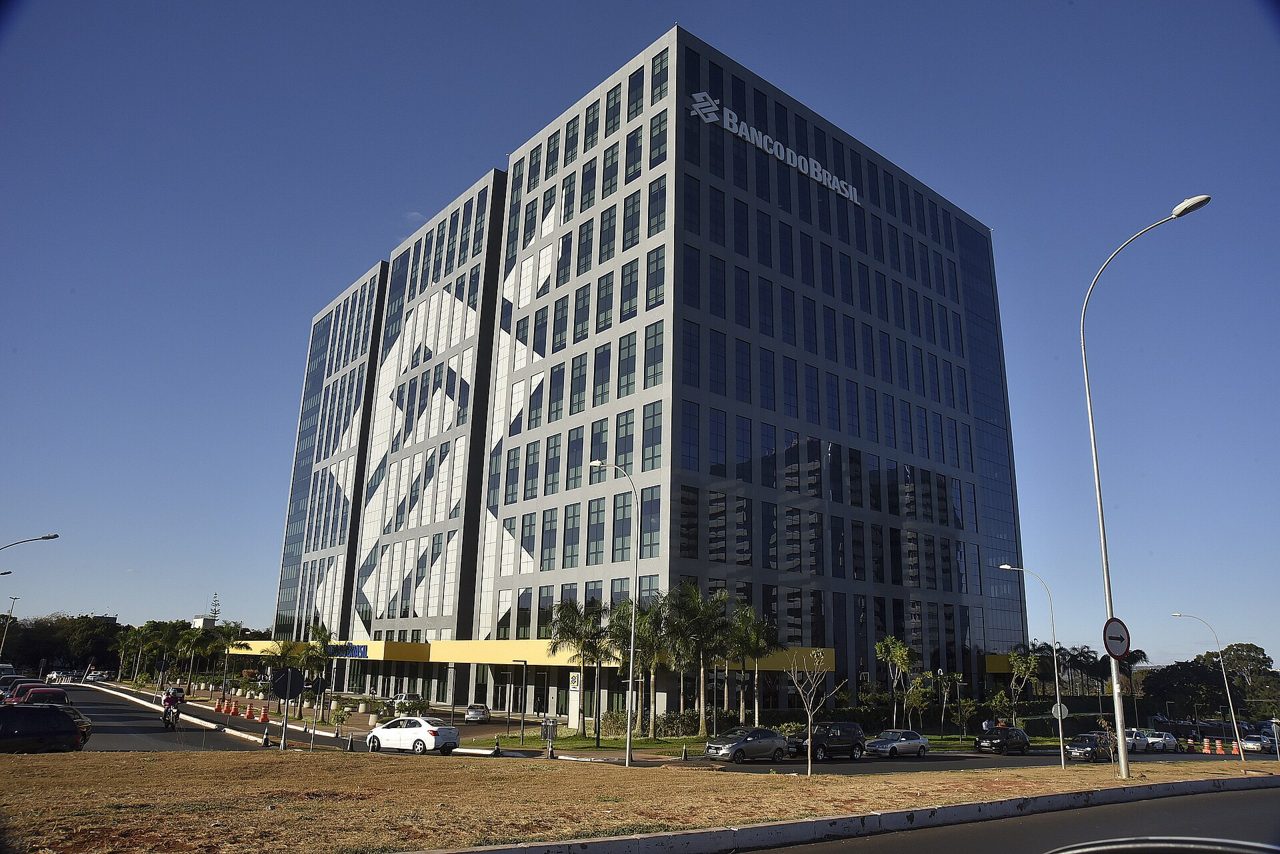
Banco do Brasil has restructured R$10.4 billion in defaulted loans since May, signaling a potential improvement in bank asset quality as Brazil tackles chronic household indebtedness.
Banco do Brasil has renegotiated R$10.4 billion ($1.86 billion) in overdue debts under the government’s Novo Desenrola Brasil program since its launch in May 2026. The restructured obligations span a wide array of defaulted credit, including personal debts, business loans, rural producer financing, and FIES student loans. The state-owned lender has not yet disclosed the exact number of clients or individual contracts tied to this specific sum.
The initiative targets individuals earning up to five minimum wages per month, offering steep discounts between 30% and 90% on defaulted credit card balances, overdraft facilities, and personal loans. Borrowers can stretch their repayments over 48 months, with monthly interest strictly capped at 1.99%. This rate is a sharp departure from Brazil's notoriously expensive consumer credit market, where annual credit card rates frequently exceed 300%. Furthermore, a key structural change in this phase allows debtors to tap their FGTS employee severance funds to directly reduce the outstanding principal.
For investors in Brazilian banking equities, the immediate significance lies in potential improvements to asset quality. Systematic renegotiations of this scale usually enable lenders to reduce the capital they must set aside for bad loans, thereby normalizing distressed credit portfolios. Should these newly structured loans remain performing, Banco do Brasil stands to realize a meaningful improvement in its net interest margins over the coming quarters.
The critical variable moving forward is the re-default rate. Because the original debts carried such exorbitant interest rates, the 30% to 90% discounts represent substantial principal haircuts for the bank. If a significant portion of borrowers fails to maintain payments under the new 48-month terms, the initial relief to loan-loss provisions could quickly evaporate. A high failure rate would not only undermine the bank's balance sheet cleanup but also dampen the broader consumer credit market.
This iteration marks a strategic pivot from the original 2023 Desenrola program, which relied on a heavily centralized federal platform. By shifting the restructuring process to direct, bilateral negotiations between borrowers and banks, the government aims to cut bureaucracy and accelerate settlements. While comparable figures from other major Brazilian banks remain unavailable, the Banco do Brasil data points to a massive volume of debt being reorganized. Economists are now tracking whether this relief translates into higher retail sales and elevated credit scores, metrics that will determine if the model serves as a viable blueprint for financial inclusion across Latin America.