Investors reject AI capex surge as oil spikes hit rate outlook
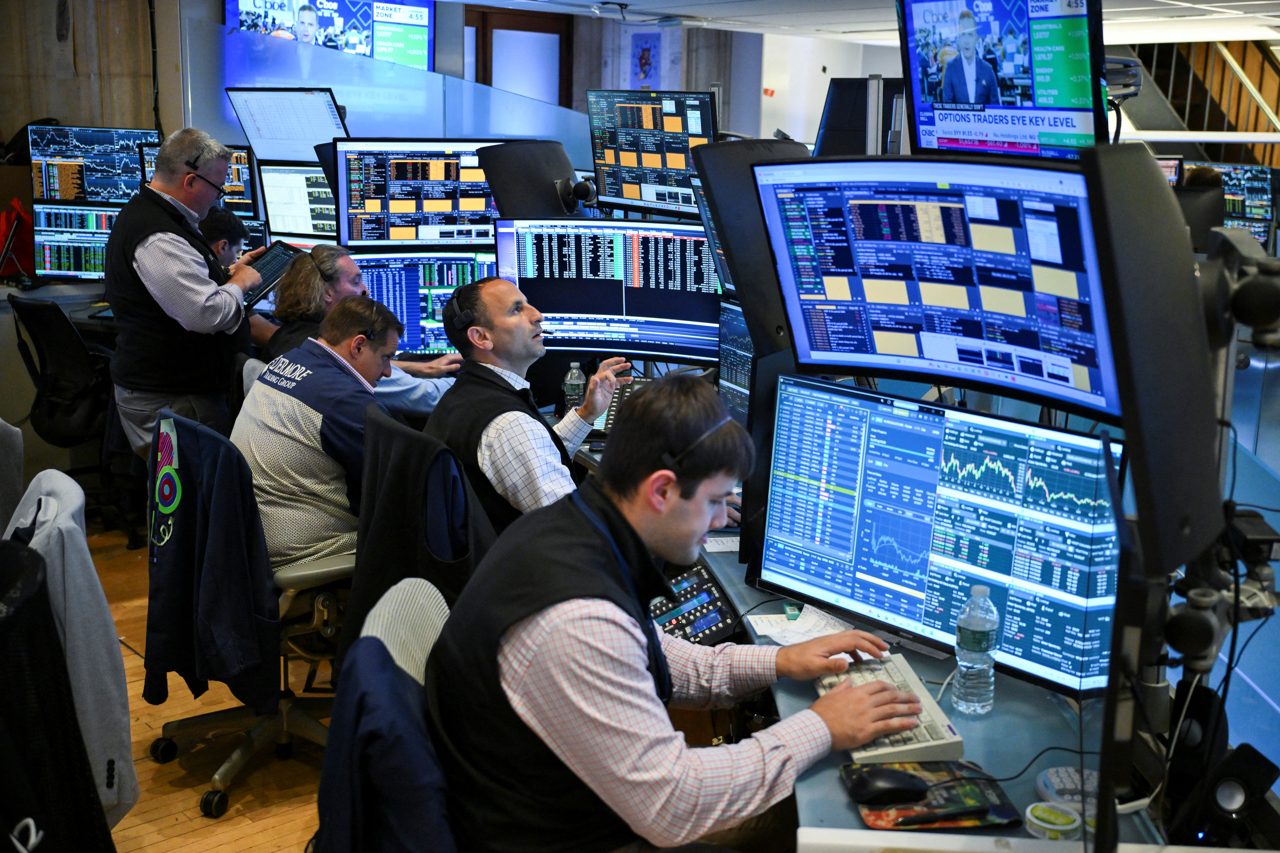
Escalating Middle East tensions pushed oil above $100 a barrel and revived inflation fears, but the week's defining market shift was investors turning against massive artificial intelligence spending despite strong tech earnings.
The S&P 500 fell 0.6% and the Nasdaq dropped 2.1% for their second consecutive weekly decline. While the immediate catalyst was a surge in crude prices, the deeper story for equities was a fundamental repricing of artificial intelligence infrastructure investments.
West Texas Intermediate crude jumped more than 8% and Brent briefly surpassed $100 a barrel as rhetoric between the US and Iran escalated and Houthi militants attacked Saudi oil tankers. The spike pushed the 10-year Treasury yield to its highest level since January 2025. Markets are now pricing in a 35% probability of a quarter-point interest rate hike at next week's Federal Reserve meeting, up sharply from 13% just a week ago.
Against this macroeconomic backdrop, investors drew a line on tech capital expenditures. Alphabet perfectly illustrated the shift. The Google parent reported better-than-expected earnings and 82% year-over-year cloud revenue growth, yet its shares fell 7.8% for the week. The market focused on management's decision to raise capital expenditure guidance to between $195 billion and $205 billion, a move that pushed free cash flow into negative territory.
Intel delivered a similar dynamic. The chipmaker posted its strongest quarterly revenue growth since 2011, driven by a 59% jump in data center revenue, but its stock still dropped 8% on Friday. Investors were disappointed by the absence of a major foundry customer announcement beyond cybersecurity firm Fortinet.
The divergence between headline earnings and underlying AI demand was also evident in the industrial sector. GE Vernova missed quarterly earnings estimates, but its stock story hinges on an 88% surge in orders driven by power and electrification equipment for data centers. In contrast, Dover sank 8% after a mixed report highlighted that AI data centers still represent only about 25% of its expected 2026 revenue.
Healthcare offered a reprieve from the tech-driven volatility. Eli Lilly gained 1.4% after detailing plans to file its next-generation obesity drug, retatrutide, as a biologic to secure stronger intellectual property protections and exempt it from Medicare price negotiations. Johnson & Johnson rose 4.1% after the FDA approved its Ottava robotic surgery system months ahead of schedule.