PayPal board deems $53 billion Stripe and Advent buyout offer inadequate
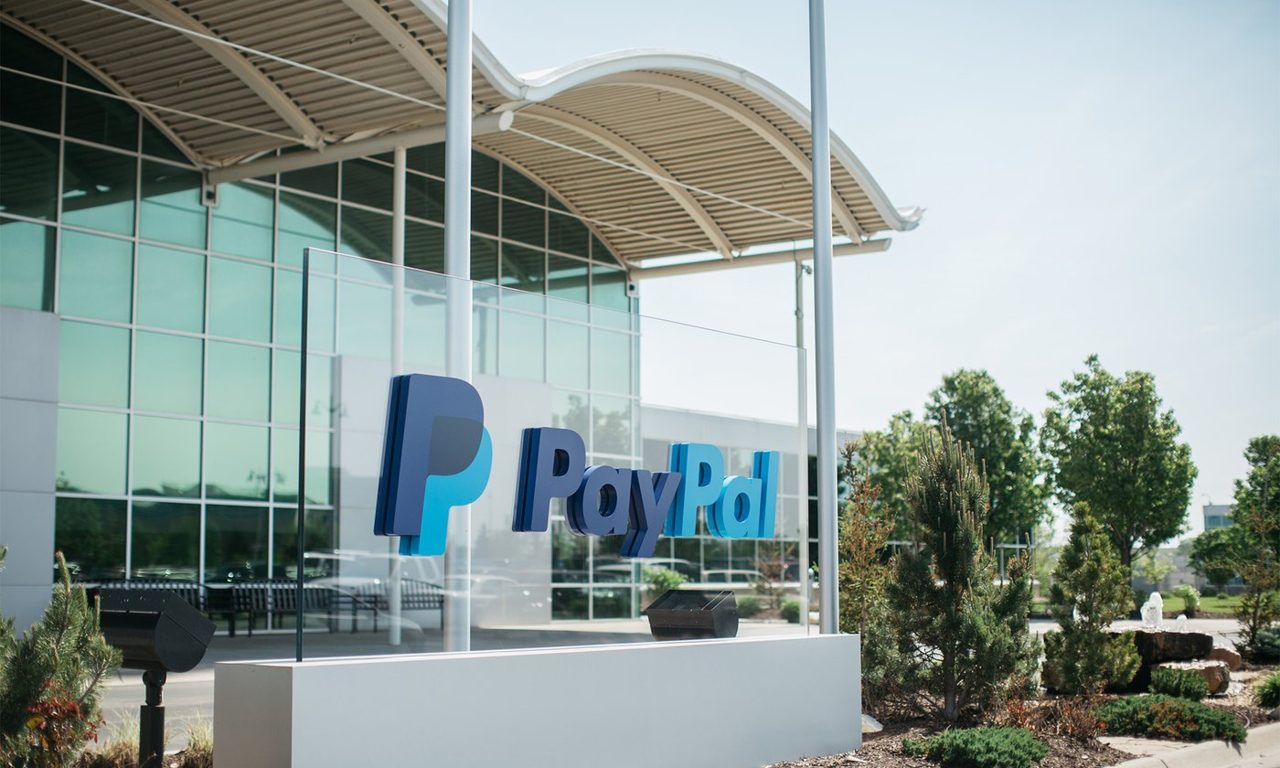
The payments company's directors have rejected a $53 billion cash proposal from Stripe and Advent International, signaling a higher valuation expectation that leaves shareholders navigating significant deal risk and regulatory hurdles.
PayPal’s board of directors has determined that a $60.50 per share cash proposal from Stripe and Advent International is inadequate. The bid, which values the e-commerce payments specialist at more than $53 billion, included approximately $50 billion in committed bank financing.
Reports indicate that board discussions are currently focused on whether the initial offer is sufficiently high to even open formal negotiations. Famed investor and PayPal shareholder Michael Burry has publicly characterized the $60.50 price as merely an opening bid, suggesting the company's true value is substantially higher.
This stance creates a complex valuation landscape for investors, highlighting three distinct price points currently influencing the stock. While the buyout group proposes $60.50 and the market trades the shares at roughly $56, the average analyst price target sits at approximately $53. This consensus target falls below both the acquisition offer and the current market valuation, leaving shareholders in an unusual position.
The market is pricing in a roughly 7% discount to the offer price to account for execution and regulatory risks. Shares initially jumped 17% on July 15 when the news broke, closing at $55.52, but have since settled near current levels. This spread reflects investor concerns that talks could collapse, financing could slip, or regulators could intervene.
Antitrust scrutiny remains a primary concern for the transaction. The bidding consortium has reportedly already considered potential regulatory remedies to secure approval, which could include separating PayPal’s Braintree business and transferring that unit directly to Advent International.
The original offer represented a 28% premium to the $47.37 pre-bid share price. Should the negotiations fail or the deal ultimately collapse, market mechanics suggest the stock would likely revert toward that pre-offer baseline.