Nigeria rules out power tariff hike, keeps consumer subsidies
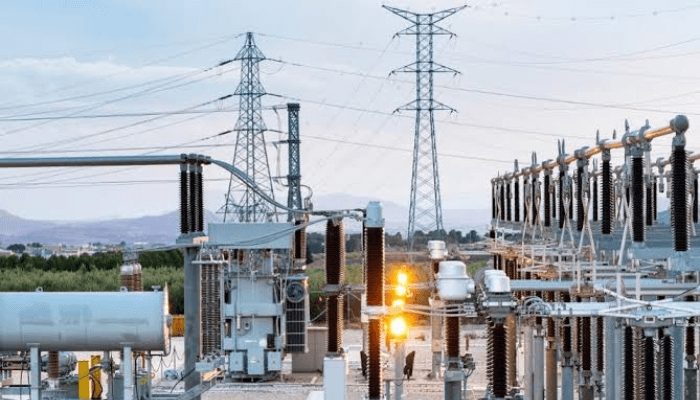
The Nigerian government has flatly denied an imminent electricity tariff increase, offering investors clarity that subsidy reforms will rely on targeted assistance rather than broad rate hikes.
The federal government moved on Friday to quash market speculation of a widespread electricity tariff increase, stating definitively that no rate changes are planned for any consumer category. Sadiq Wanka, the presidential special adviser on power infrastructure, said recent media coverage had distorted comments he made at an industry event in Lagos on July 22.
“There is no planned tariff hike for any grid consumer across any service band,” Wanka said in a signed statement. He emphasized that the administration “remains committed to protecting vulnerable households through continued tariff support.”
The clarification anchors Nigeria’s power pricing strategy firmly to the National Integrated Electricity Policy. That framework, finalised in December 2024 and approved by the Federal Executive Council in May 2025, dictates a gradual transition toward cost-reflective pricing. Crucially for investors, this shift is currently restricted to Band A customers—typically urban users who receive a guaranteed minimum of 20 hours of daily power supply.
Targeted subsidy mechanism
For the majority of Nigerian consumers on lower service bands, the government is opting to refine rather than remove subsidies. Officials are instead prioritizing the Power Consumer Assistance Fund, a mechanism established under the Electricity Act 2023. This fund is designed to route financial support directly to vulnerable users through their electricity accounts or other identity-linked systems.
This targeted approach addresses a core concern for international capital and domestic lenders. Nigeria’s power sector has historically been hamstrung by severe underinvestment, chronic currency mismatches, and an inconsistent track record on cost recovery. Broad, untargeted subsidies have frequently distorted the market and strained public finances.
By ruling out sudden, across-the-board tariff shocks while committing to a more transparent subsidy framework, the government is attempting to manage political risk. The stated goal is to shore up investor confidence in a market that needs private capital to expand infrastructure, without triggering consumer backlash that could force disruptive policy reversals. The administration also used the statement to stress the role of accurate media reporting in conveying complex regulatory shifts to the public.