Sears retreats to final five stores after decades of decline
The 140-year-old retailer's collapse to a handful of locations underscores the lethal cost of prolonged strategic paralysis and asset stripping in the face of evolving consumer markets.
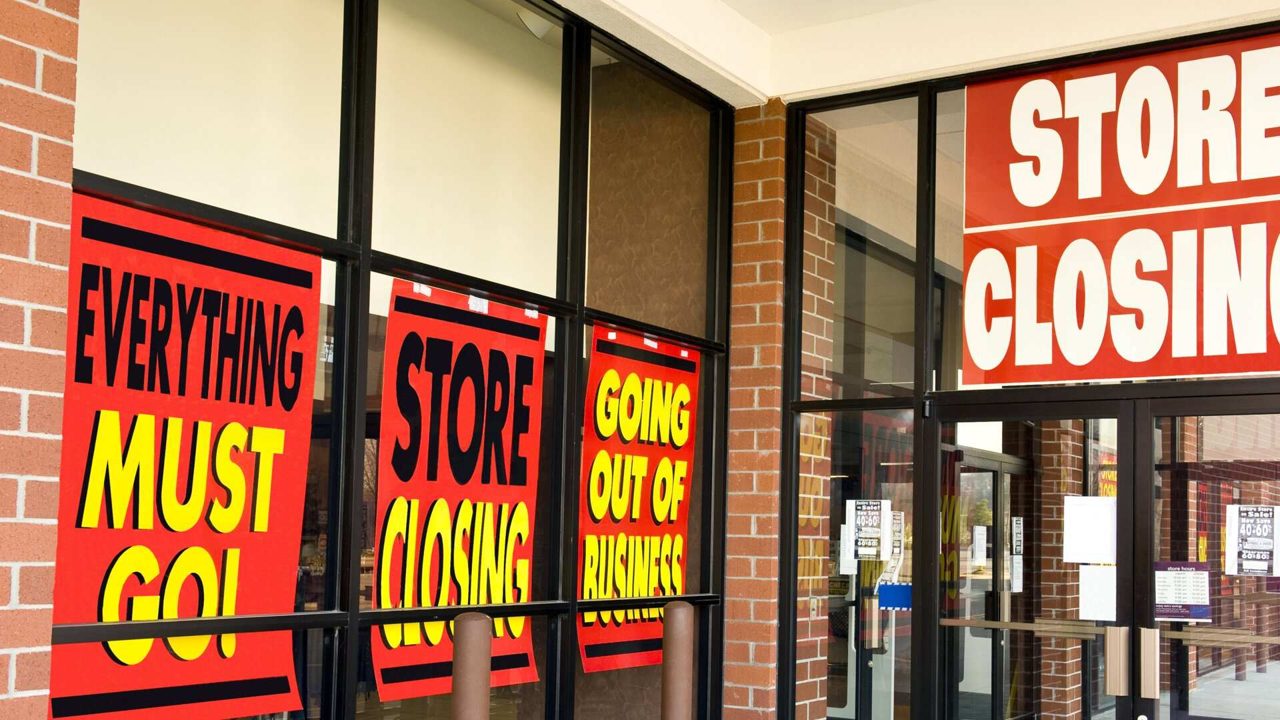
Sears now operates just five stores, effectively ending any realistic prospect of a turnaround for a company that once dominated American retail. The closure of more than 2,500 locations marks the final act of a slow deterioration that began in the early 1990s.
Founded in 1886, Sears led the industry in sales until Walmart surpassed it in 1990. While the company successfully navigated the transition from its famous mail-order catalog to physical storefronts, it failed to adapt to the modern retail era. Instead of investing in a viable future, management funded ill-fated experiments by monetizing its most valuable assets.
The disposal of heritage brands like Craftsman, DieHard, and Lands' End provided short-term liquidity but stripped the company of its underlying competitive advantages. This pattern of poor capital allocation meant that as revenues fell, the assets available to service debt or fund a turnaround vanished alongside them. For investors, Sears serves as a textbook example of how liquidating core assets to fund operating losses cannot reverse structural market share erosion.
The retailer's trajectory culminated in a 2018 Chapter 11 bankruptcy filing. At the time, Global Data Managing Director Neil Saunders offered a bleak assessment that proved entirely accurate. "Today is a day that will live in retail infamy," Saunders wrote. "That a storied retailer, once at the pinnacle of the industry, should collapse in such a shabby state of disarray is both terrible and scandalous in equal measure. However, it is not surprising because this is a destination that Sears has been headed towards for many years, with virtually no serious attempt having ever been made to change the trajectory."
Saunders also warned that the bankruptcy process would not cure the company's fundamental issues. "Over the longer term it is still unclear what Sears hopes to accomplish," he noted. "We believe there is no clear path to success. The group has tried to shrink its way to profitability for years to no avail, so it is hard to see why pursuing the same strategy under the auspice of Chapter 11 would result in a different outcome."
The accuracy of that 2018 forecast highlights a critical lesson for market professionals evaluating distressed retailers. Restructuring processes often fail when management attempts to shrink to profitability rather than investing in genuine business transformation. While competitors built robust e-commerce ecosystems, Sears' inability to develop a modern omnichannel strategy ultimately rendered its once-massive footprint unsustainable.