Nvidia CEO rejects AI bust fears despite customer debt surge
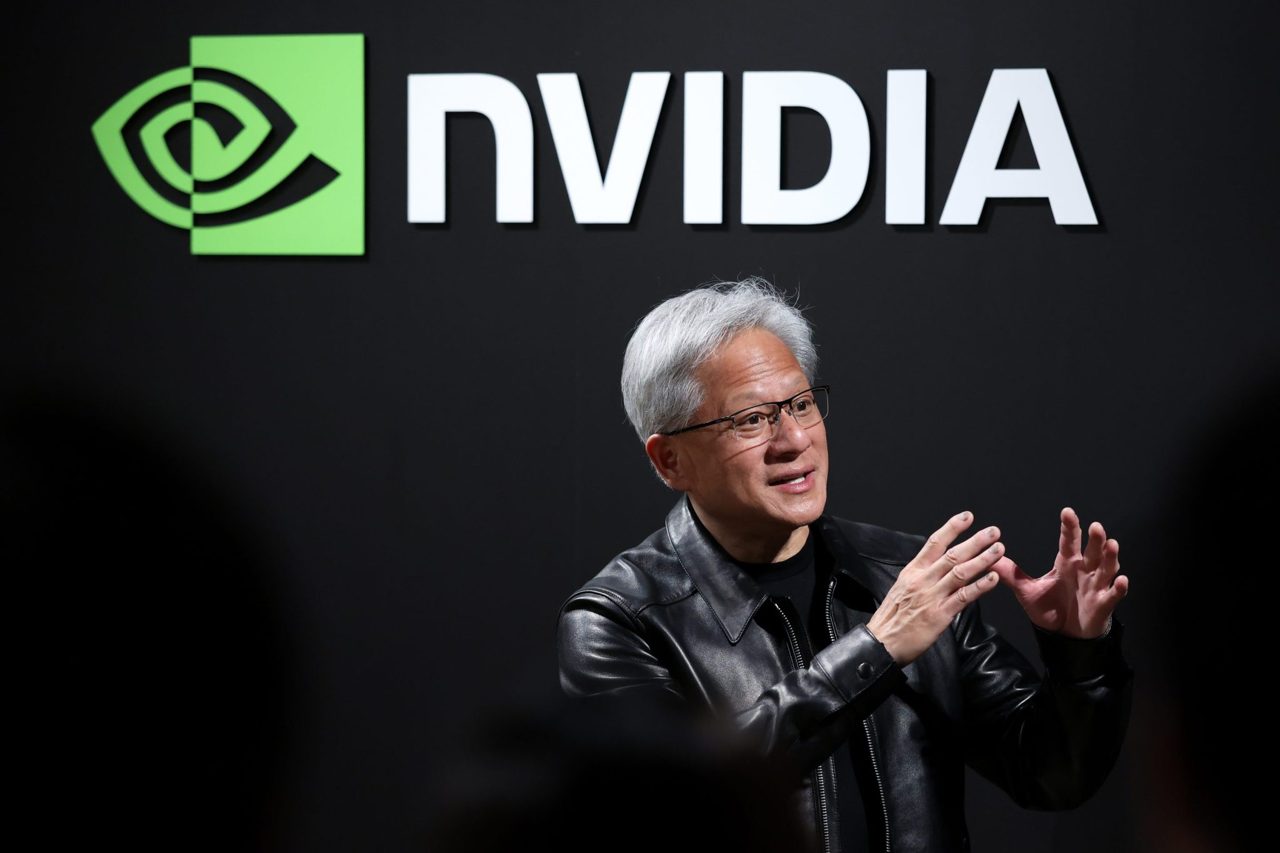
Jensen Huang’s use of a historically dangerous phrase to defend AI spending highlights the growing financial strain on the tech giants buying his chips.
Nvidia chief executive Jensen Huang has dismissed concerns that an artificial intelligence chip bust is imminent, resorting to a phrase long considered a red flag on Wall Street. In a recent interview, he argued the current semiconductor cycle breaks from historical norms. “This time is different,” he said.
Such optimism is expected from the head of the world’s leading AI chip supplier, but the phrasing carries heavy historical baggage. The phrase has been used in the past to argue why astronomical gains can continue defying fundamentals or logic, such as during the dot-com bubble. Huang estimated the semiconductor industry must grow five to ten times larger over the next decade to support the required AI infrastructure.
Customer debt raises stakes
The scale of that buildout is already straining the finances of Nvidia’s biggest customers. Hyperscalers are committing hundreds of billions of dollars a year to AI infrastructure, exhausting their cash flows. Alphabet recently recorded negative cash flow, pushing tech giants to issue debt to fund their chip purchases.
Huang said he is not worried that his customers are tapping the bond market to buy Nvidia products. “So this future is a whole new way of doing computing that’s fundamentally different than the past, and we need a lot more computers,” he explained. He noted that AI has been profitable for companies like Anthropic as customers discover the usefulness of agents, placing the technology at an inflection point where it generates profits and boosts productivity.
Supply constraints buy time
While acknowledging that the bubble will burst someday, Huang pushed back against the idea that it will happen soon. He pointed to severe shortages in chips, land, power, and construction workers as factors limiting how fast the industry can expand.
Far from being a problem, the executive argued these bottlenecks are a structural advantage. “We basically are constrained in every single direction, in every single way,” Huang said. “That constraint is good. That constraint is what holds the system back. So that gives us plenty of time to go build out these infrastructure.”