Nigeria to build eight agro-industrial zones mirroring Benin model
Nigeria's vice president announced plans to establish eight agro-industrial zones based on Benin's Glo Djigbe facility, signalling a strategic push to capture value from raw materials and expand non-oil exports.
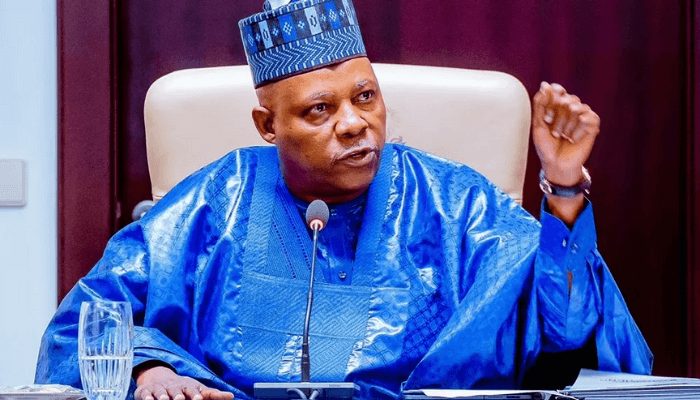
Nigerian Vice President Kashim Shettima led a delegation of six state governors to Cotonou to inspect the Glo Djigbe Industrial Zone. Following the tour, Shettima confirmed that Nigeria will replicate the facility by establishing eight agro-industrial zones across the country. The project represents a core component of President Bola Ahmed Tinubu's agenda to industrialise the economy and reduce reliance on crude oil.
The Beninese facility offers a blueprint for converting raw agricultural commodities into export-ready finished goods. Developed as a 1,640-hectare public-private partnership between the Benin government and ARISE Integrated Industrial Platforms, the zone processes cotton into yarn, fabric and garments. It also handles cashew and soybean manufacturing, creating more than 25,000 jobs since production began in 2021.
For commodities markets and trade analysts, Nigeria's planned pivot is driven by a stark deficit in Africa's agricultural value chain. Shettima noted that “of the $370 billion worth of global cotton, Africa benefits from only about one per cent of that amount.” Reviving Nigeria's textile and agro-processing sectors is designed to capture a larger share of this global revenue.
Execution will depend heavily on public-private partnerships at the subnational level. The visiting governors, who represent major agricultural states including Kwara, Jigawa, Katsina and Zamfara, stressed the potential for private investment, technology transfer and youth employment. They signalled their readiness to develop similar manufacturing hubs to connect local farmers directly to industrial processors.
During the visit, the delegation was briefed on the zone's investment potential and production capacity by Benin's Minister of Tourism and Foreign Trade, Olushegun Adjadi Bakari. The structured integration of agriculture and manufacturing demonstrated how targeted infrastructure can attract private capital to the region.
“We are setting up eight agro-industrial zones in eight states in our country, and to tell you imperatively that this is an African success story where there is a whole chain of value addition in cotton, cashew and soya bean value chains,” Shettima said. He assured that Nigeria would apply these operational lessons to expand its non-oil export capacity.