Hormuz strikes accelerate as oil markets shrug off risk
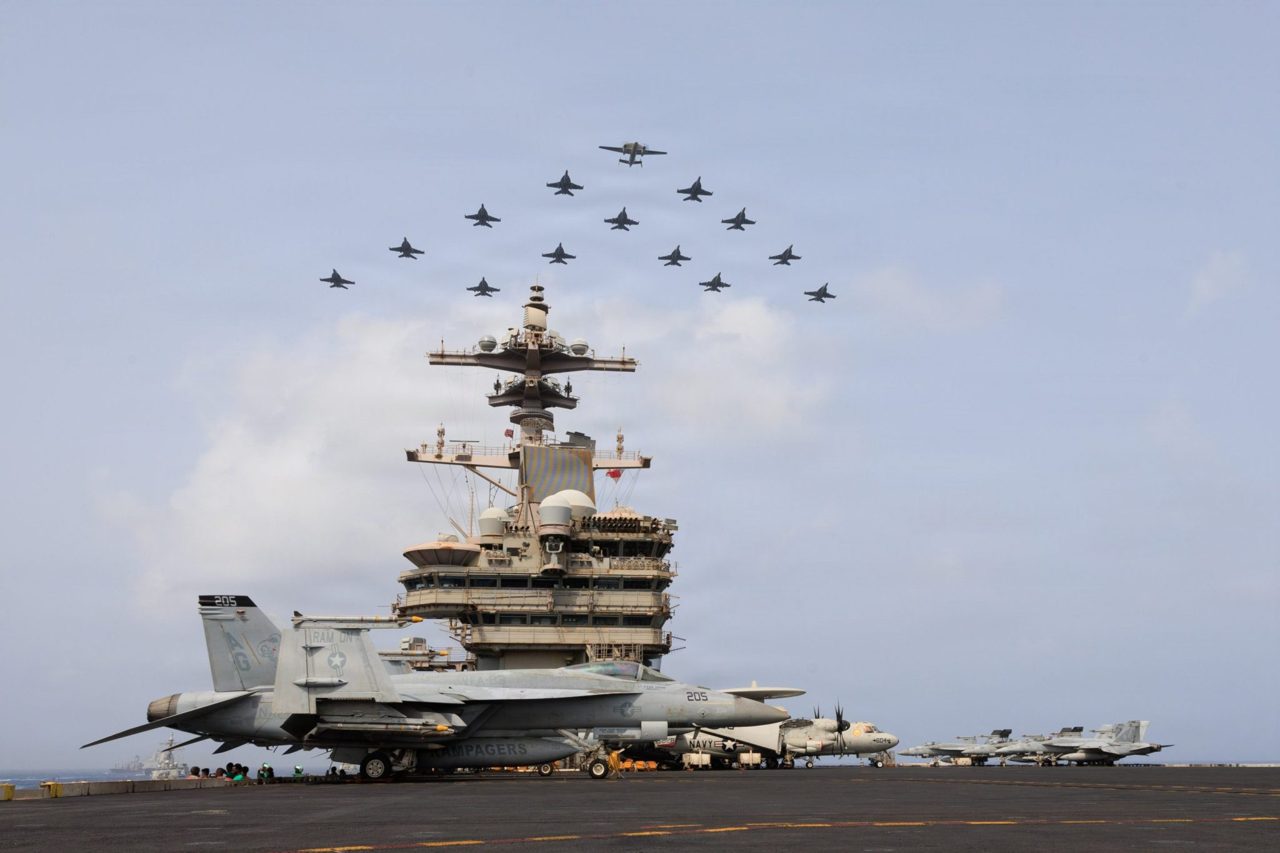
US forces launched a fifth round of strikes on Iran over the weekend, but investors are keeping their cool on oil prices despite warnings of an escalating undeclared naval war.
U.S. stock futures dipped and oil prices rose modestly late Sunday following a weekend of intensified military strikes in the Persian Gulf, though investors largely shrugged off the escalating conflict. Futures for the Dow Jones industrial average fell 100 points, or 0.19%, while S&P 500 and Nasdaq futures lost 0.27% and 0.48% respectively. U.S. crude climbed 3.2% to $73.70 a barrel, Brent reached $78.45, and gold dropped 0.7% to $4,085 per ounce.
"There's a lot of complacency, a lot of confidence, built into the market right now about oil," said Bob McNally, founder of Rapidan Energy and a former White House energy adviser. McNally noted that crude markets have been "blowing off this geopolitical risk for years," pointing out that the stock market has not cared about Iran since April. Traders are currently betting that the worst of the Hormuz conflict has passed, pointing to early signs of recovery in ship crossings and regional oil production.
That confidence contrasts sharply with the operational reality on the ground. U.S. Central Command announced yet another wave of strikes on Sunday evening, the fifth round in a week and the third in 24 hours. The attacks targeted Iran's ability to threaten commercial ships transiting the Strait of Hormuz, following an Iranian missile and drone attack on a civilian vessel.
The sheer volume of munitions deployed underscores the quickening tempo of the conflict. U.S. forces have now hit 300 targets over the past week, including 140 sites bombed on Saturday alone. Those strikes dismantled missile and drone launch sites, naval assets, ammunition depots, and coastal surveillance networks. Iran has responded by expanding its attacks beyond commercial shipping to strike its Gulf Arab neighbors, including Bahrain, Kuwait, Qatar, Jordan, and Oman.
At the heart of the standoff is control over the Strait of Hormuz, a critical chokepoint for global energy supplies. Iran claims a memorandum of understanding signed with the U.S. last month grants it authority to regulate ship traffic, attacking vessels that avoid a regime-backed coastal corridor. The U.S. has rejected this, demanding full freedom of navigation and establishing an alternate route along Oman's coast. Since early May, U.S. forces have escorted more than 800 commercial vessels carrying 400 million barrels of crude through the strait.
Some experts warn that the market's calm is misplaced. Sal Mercogliano, a maritime history professor at Campbell University, described the ceasefire as a "facade" that has persisted for some time. "One of the things I fear is that we're finding ourselves in this undeclared naval war," Mercogliano said. "And an undeclared naval war can escalate."