Gibraltar to drop Spain border controls under new EU customs pact
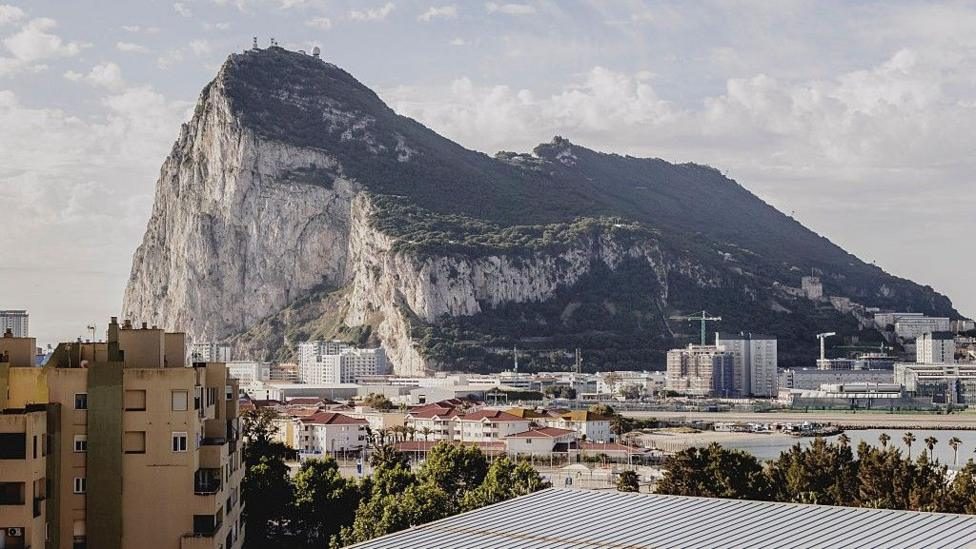
Gibraltar will remove its 118-year-old border with Spain on July 15, integrating with the EU customs union to eliminate travel friction but introducing new taxes and compliance costs for local businesses.
Starting July 15, Gibraltar will dismantle its 118-year-old border controls with Spain, allowing completely unrestricted movement of people and goods between the British Overseas Territory and the European Union.
The arrangement, which requires final approval from the UK and European Parliaments, aligns Gibraltar with the Schengen free travel zone and the EU customs union. This solves a unique post-Brexit logistical challenge for a territory where 96% of voters opposed leaving the bloc, largely to protect trade in online gaming, shipping and financial services.
For these core industries, the primary commercial benefit is the elimination of frontier queues. The border bottleneck currently disrupts the daily commute of 15,000 Spanish workers and deters visitors.
"Business will now be able, in Gibraltar, to see a footfall increase which is not going to be restrained by a potential queue on the way in or frontier queue on the way out," says Chief Minister Fabian Picardo.
The open border also stabilizes the regional economy. Gibraltar boasts one of the world's highest per capita incomes, while neighboring La Línea de la Concepción suffers nearly 30% unemployment. The integration protects a critical labor flow and safeguards Spanish businesses heavily reliant on Gibraltarian clients.
"You have to realise that for an average company in this town a third of its income is from clients in Gibraltar," says Juan Franco, the mayor of La Línea de la Concepción.
Compliance and tax costs
The trade-off for this market access is strict regulatory alignment. Goods sold in Gibraltar must now meet EU standards, significantly altering the operational landscape for businesses importing from the UK or other non-EU countries.
The territory is also overhauling its tax structure to satisfy customs union rules. Gibraltar is replacing its import duties with a new 15% transaction tax on all goods sold locally, which will rise to 17%, alongside higher excise taxes on certain products. The territory's previous lack of a value added tax had been a distinct competitive advantage.
"For anybody importing goods the scenario changes completely in terms of the paperwork that one is going to have to present to get the goods in," says John Isola, managing director of hospitality group Anglo Hispano Company.
While executives like Isola express relief that a hard border was avoided, the new tax regime and EU compliance requirements introduce fresh cost pressures. Investors and operators in Gibraltar's retail and import sectors will now have to weigh the benefits of frictionless tourism against tighter margins and increased administrative burdens.