Takaichi's unfunded ¥370tn spending plan triggers market panic
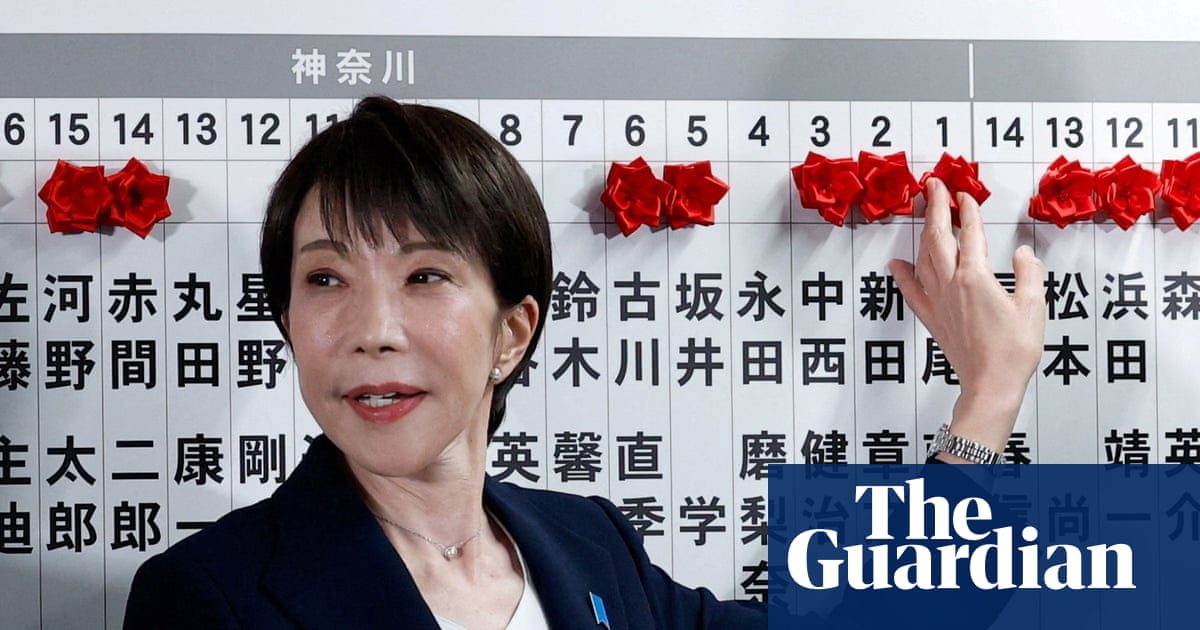
Prime Minister Sanae Takaichi's plan to invest ¥370tn across 17 industrial sectors by 2040 has spooked investors, pushing bond yields to a 29-year high and the yen to a four-decade low over fears of unfunded fiscal excess.
Prime Minister Sanae Takaichi’s plan to channel ¥370tn into 17 industrial sectors by 2040 has triggered a sharp sell-off in Japanese financial markets. Lenders have pushed the yield on Japanese government bonds to 2.8%, the highest in 29 years, while the yen has slumped to 163 against the US dollar, a four-decade low. Equities have also suffered, with investors dumping shares in major exporters like Sony and Toyota Motor Corporation since the proposals were unveiled in June.
The market panic stems from a critical lack of detail regarding how the government intends to finance the package. “As long as you don’t say how you are going to finance your spending, you are on course for a Liz Truss moment,” said Kelvin Lam, an Asia specialist at Pantheon Macroeconomics. “The markets were already worried about Japan’s long term fiscal health and this plan hasn’t helped.”
Tokyo is already carrying a heavy debt burden, with the debt-to-GDP ratio still sitting below 230% in 2025 after peaking at 260% five years earlier. A draft of the economic revival plan initially suggested forcing the Bank of Japan to align with the finance ministry and rewriting debt calculations, though the final cabinet submission nominally preserved central bank independence only as a footnote. The document stated that “to achieve a strong economy, it is very important for monetary policy to be conducted appropriately to see stable price rises,” but the prior threat to BoJ autonomy inflicted lasting damage.
Dubbed the Honebuto no Hoshin, or "big-boned policy," the blueprint aims to double economic growth to above 1% by targeting areas like AI, semiconductors, and shipbuilding. However, economists at the Japan Center for Economic Research forecast growth of just 0.93% in 2027 and 0.85% in 2028. Furthermore, Japan’s reliance on a weak currency to boost exports is showing diminishing returns, with June’s 20% year-on-year export rise erasing to almost zero when adjusted for yen depreciation.
The falling yen is simultaneously stoking inflation by increasing the cost of imported energy and raw materials, complicating the central bank's mandate. While core inflation has remained below the BoJ’s 2% target for four months, analysts expect a jump to the mid-2% range next quarter driven by higher oil prices. For a government that has already spent roughly £160bn since 2022 defending the currency, piling on massive unfunded industrial spending represents a dangerous gamble with market confidence.