Chilean Ski Resorts Rebound Drives $200M Economic Boost
Early winter storms in Chile's central Andes are reviving a ski tourism market worth up to $200 million, lifting hotel occupancies and real estate demand after years of drought.
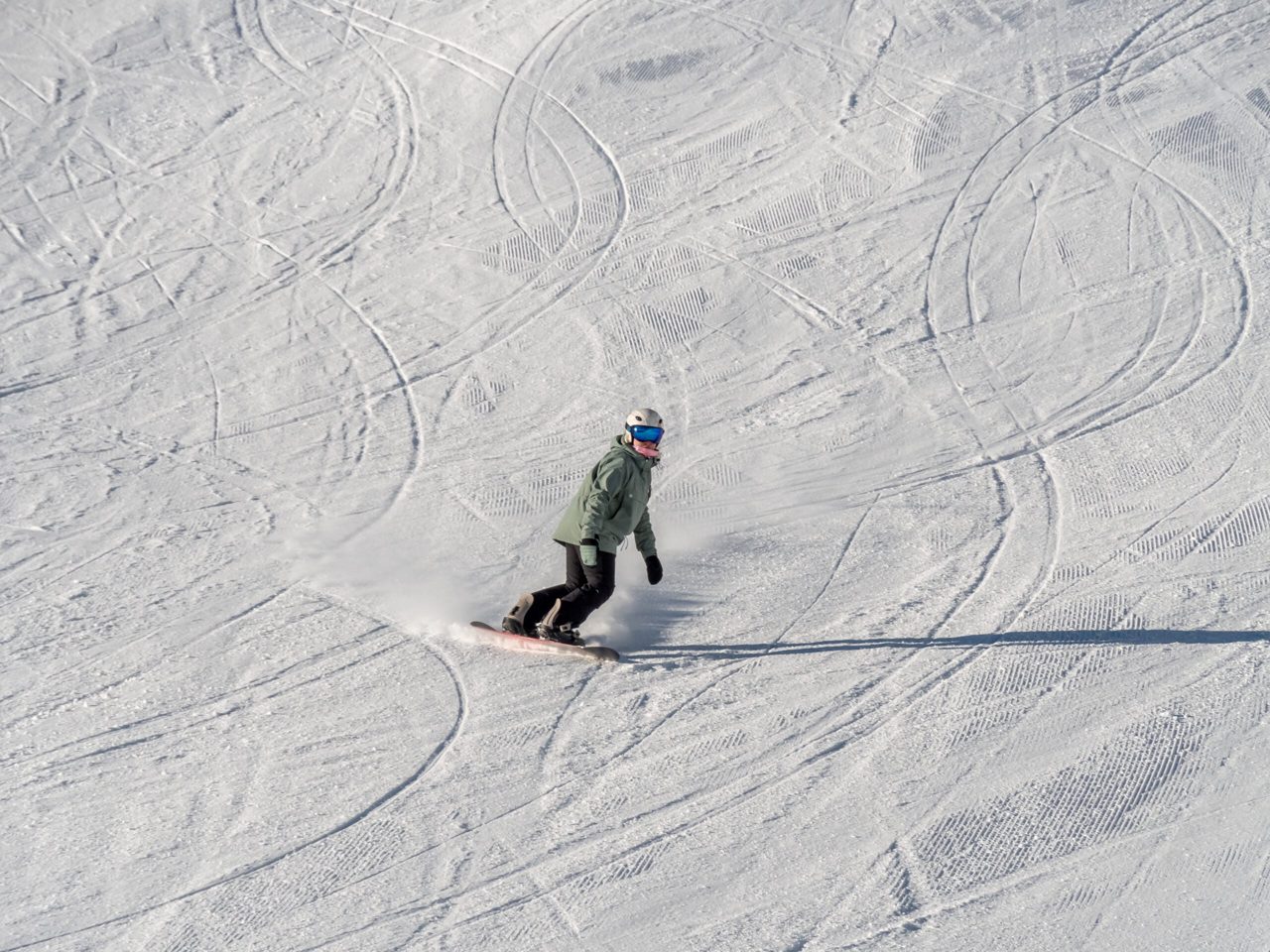
Early winter storms in Chile’s central Andes have allowed resorts like Valle Nevado and La Parva to open substantial terrain by mid-July. This marks the industry's strongest foundation in half a decade following a punishing multi-year drought that left slopes bare and chairlifts idle.
A fully operational ski season across these interconnected resorts generates an estimated $150 million to $200 million in combined direct and indirect economic activity. This revenue encompasses lift tickets, hotel bookings, equipment rentals, and transport services linking Santiago’s international airport to the mountains. During the drought years, hotels in the ski corridor reported occupancy rates below 30% during peak weeks, devastating the incomes of seasonal workers from rural communities.
Foreign visitors are the primary driver of this economic engine. Prior to the drought, international guests accounted for 60% of Valle Nevado’s visitors. Brazilians make up the largest single contingent of these foreign skiers, with North Americans and Europeans forming another critical segment that travels south for July and August skiing. The return of reliable snow prompted specialized tour operators like PowderQuest to aggressively resume marketing Chilean itineraries.
The recovery is also filtering into local real estate markets, which are highly sensitive to slope conditions. Transaction volumes for slope-side apartments and chalets in the mountain towns of Farellones and Lo Barnechea historically rise and fall with the quality of the winter season. Local brokers report that early 2026 inquiries from foreign buyers, particularly Brazilians seeking mountain retreats, have already ticked upward.
For foreign investors and expats based in Santiago, the operational health of Valle Nevado, La Parva, and El Colorado carries symbolic weight. Together, these three interconnected resorts form the largest skiable domain in the Southern Hemisphere. Their recovery serves as a bellwether for the broader tourism economy and the capital’s appeal as a destination for global talent.
Forward-looking indicators support the cautious optimism. Valle Nevado’s season-pass sales, priced at roughly $750 for an adult unlimited pass, are outpacing 2025 figures. Independent snow-tracking services like Snowsure.ai recorded 315 centimeters of total snow at 3,000 meters by early July.
While a late-July dry spell temporarily halted fresh accumulation, meteorologists note that the Andean season historically peaks in August. Some long-range forecasts point toward a La Niña pattern that could deliver above-average precipitation to the central Chilean Andes. This leaves resort operators confident the early storms have laid the groundwork for a robust second half of the season.