Brazil's Vports Posts Record H1 Cargo on Offshore, Mining Growth
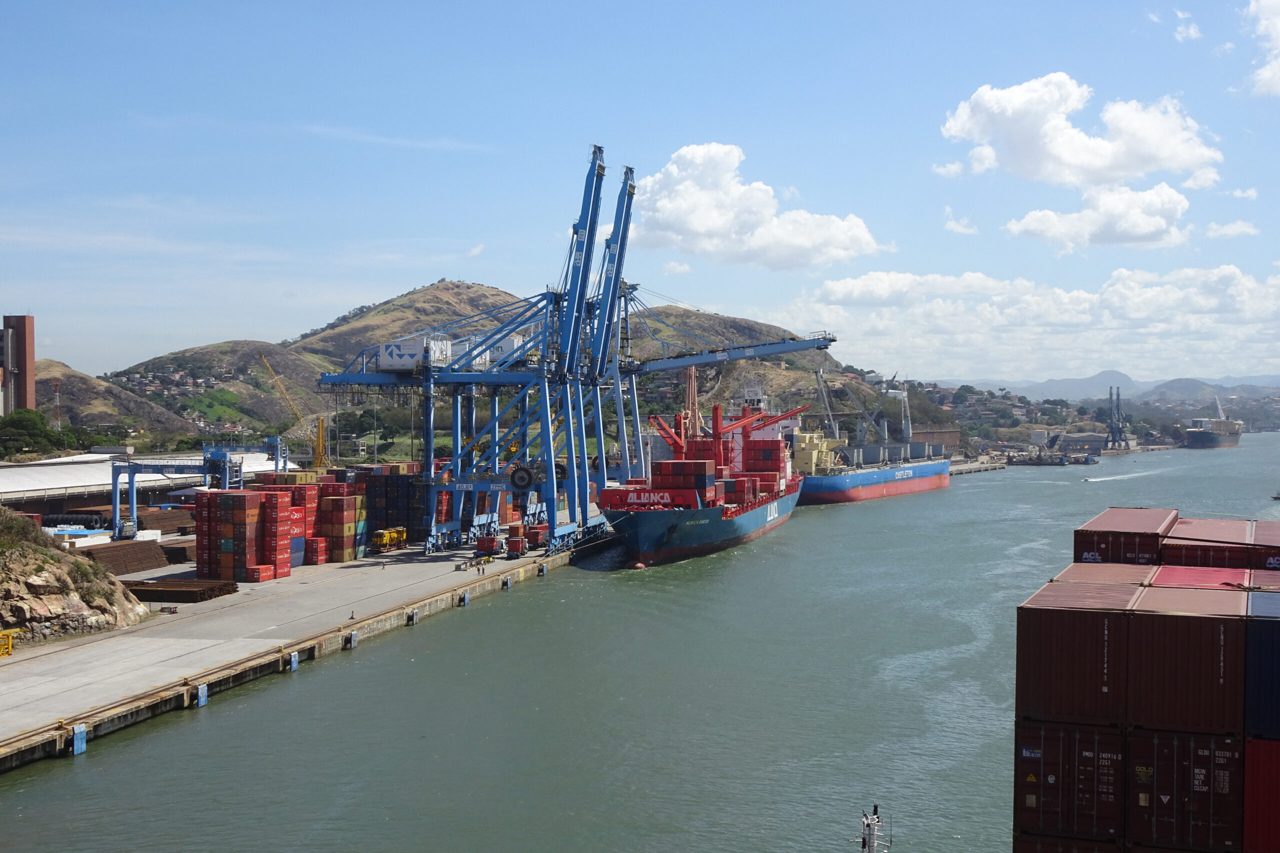
Brazil’s only fully private port authority handled a record 4.1 million tonnes in the first half of 2026, signaling robust offshore energy demand and validating the country's port privatization program.
Vports Espirito Santo handled 4.1 million tonnes of cargo in the first half of 2026, a 12% increase that sets a new record for the period. The privately operated port complex significantly outpaced a national port growth average of just 2%, driven by a sharp pivot toward higher-value industrial and energy-related freight. This performance builds on a previous benchmark set in 2024, when the operator moved 8.4 million tonnes.
The primary catalyst for the first-half growth was a 202% surge in offshore-linked cargo during the first quarter. Vports directly attributed this spike to "the heating up of the oil and gas industry," noting that international energy firms are increasingly routing supply-chain activity through the state. Espirito Santo's proximity to key offshore basins makes it a critical logistics hub for rig supplies, equipment transport, and exploration materials.
Beyond energy services, the port's cargo base diversified significantly to buffer against volatility in any single commodity. Concentrated mineral volumes jumped 108% year-on-year in the first quarter, pig iron exports rose 94%, and granite block shipments increased 60%. Automobile handling doubled, while fertilizer imports climbed 45% and machinery shipments grew 83%. January alone saw 700,000 tonnes moved through the Vitoria and Vila Velha terminals.
Expansion Plans
To accommodate rising demand, Vports has committed to investing more than R$500 million, or roughly US$98 million, by 2027. The capital expenditure program targets an 80% increase in cargo-handling capacity over a five-year period. Funding is allocated for terminal upgrades, new equipment, and improved rail links designed to move goods more efficiently from inland industrial states like Minas Gerais.
Rail infrastructure represents a critical bottleneck for Brazilian logistics, and resolving it would solidify Espirito Santo's advantage over the country's more congested southern ports. An additional R$180 million in separate port works is currently underway in the region, reinforcing the broader infrastructure push. Vports has signaled a long-term target of achieving major throughput growth at the Port of Vitoria by 2029.
For market participants, the throughput record serves as a measurable indicator of the returns available in Brazil's port privatization program. As the country's only fully private port authority, Vports has demonstrated an operational agility that state-run facilities often struggle to match. The sustained offshore surge also underscores Brazil's enduring appeal as a destination for global energy capital.