Soybeans Gain as Weak Real Boosts LatAm Export Margins
A modest soybean rally diverged from slumping wheat as a weakening Brazilian real translated steady dollar prices into stronger local returns for South American grain exporters.
The SOYB tracker settled at $26.28 on Thursday, gaining 0.73% and outperforming the broader grain complex. Corn traded in a narrow holding pattern, with the CORN tracker closing at $18.30 for a marginal 0.05% decline. Wheat was the clear underperformer, with the WEAT tracker dropping 1.60% to $25.22.
The price divergence reflected distinct fundamentals rather than a broad commodity shift. Soybeans drew support from expectations that China will continue importing to supply its livestock sector. Corn's sideways move highlighted a market balancing comfortable South American supply against lingering risks of weather or shipping disruptions. Wheat slumped because ample global stocks and fierce competition from Black Sea exporters kept buyers in a strong negotiating position.
For international investors, the most significant development occurred in the foreign exchange market. The Brazilian real slipped to 5.0841 against the dollar, eroding alongside other Latin American currencies during a week of broad risk aversion. However, a weaker real benefits Brazilian agribusiness by inflating local-currency revenues for each dollar of grain sold.
This currency cushion makes Brazilian soy and corn exports an effective partial hedge against softer global commodity prices. Argentina offers a similar dynamic, though its heavily managed peso introduces policy noise into local farm receipts. Across the Southern Cone, these export dollars remain vital for sovereign balance of payments and government fiscal space.
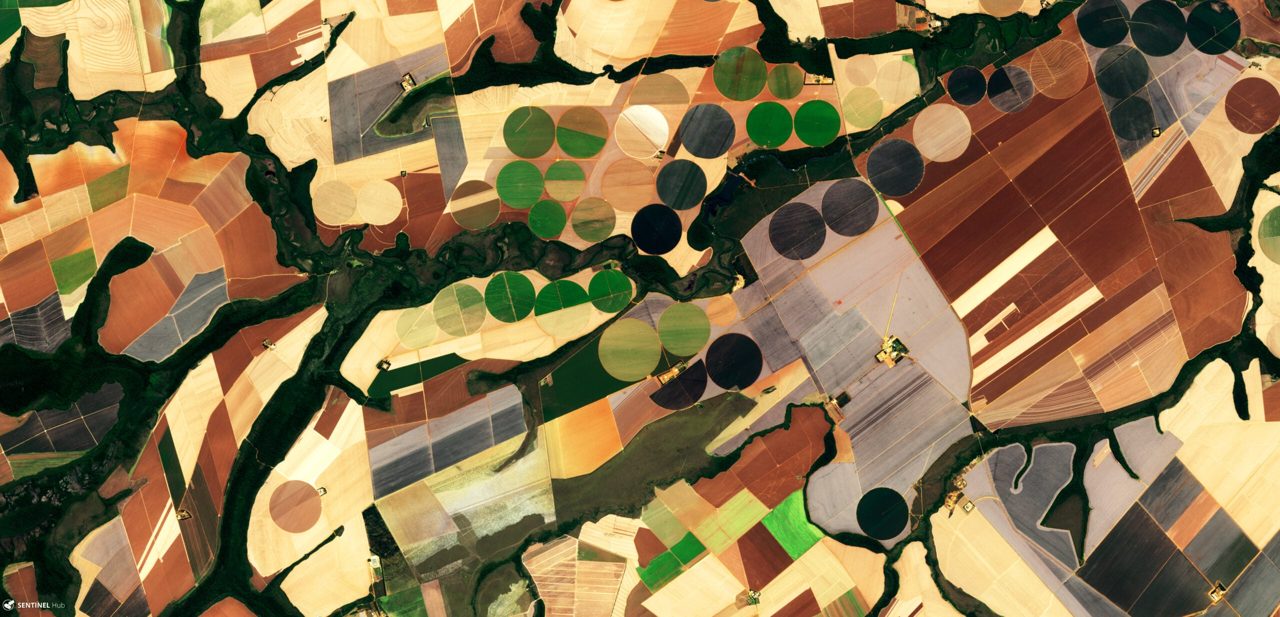
Market attention is now fixed on the yuan-real corridor as the primary determinant for the next grain price move. Portfolio managers using the SOYB, CORN, and WEAT trackers for clean commodity exposure are also watching listed LatAm fertilizer producers, logistics firms, and agribusinesses as equity proxies. The direction will ultimately depend on Chinese state-backed buyers and whether harvest logistics across Mato Grosso and Paraná introduce any sudden supply constraints.