Wall Street Ends Week Lower as Iran Conflict and New Tariffs Fuel Inflation Fears
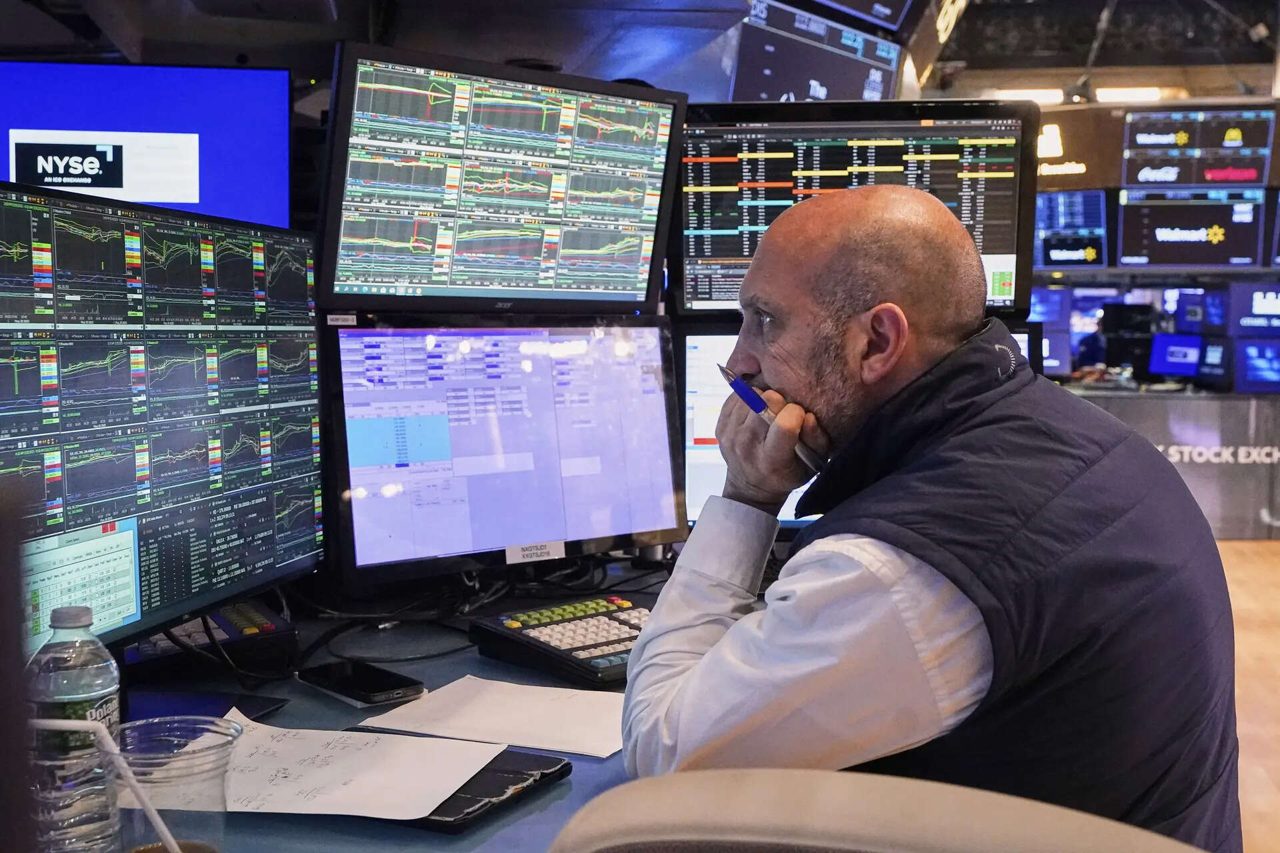
U.S. equities posted their second consecutive weekly decline as escalating Middle East tensions and sweeping new tariffs stoke concerns over persistent inflation and impending Federal Reserve rate hikes.
The S&P 500 rose 3.68 points, or less than 0.1 percent, to 7,411.98 on Friday, but capped its second consecutive losing week. This decline comes amid mounting anxieties over a sharp escalation in the U.S. conflict with Iran and a fresh wave of broad-based tariffs. The Dow Jones Industrial Average gained 0.5 percent to 51,947.25, while the Nasdaq slipped 0.6 percent to 24,975.82.
The market’s fragile posture reflects a complex macroeconomic backdrop. The Trump administration’s new tariffs now impact nearly all U.S. imports, replacing stopgap levies following a recent Supreme Court defeat. Companies bearing these import costs are expected to pass them directly to consumers, threatening to reignite stubborn inflation.
Energy markets remain a primary catalyst for this inflationary pressure. Brent crude fell 3.9 percent to $96.78 on Friday, snapping a four-day winning streak that briefly pushed prices above $100 a barrel. Before the Iran conflict began in late February, the international benchmark traded near $72.
At the national level, gasoline prices sit at $4.10 per gallon, nearly a dollar higher than this time last year. Higher fuel costs threaten to redirect household spending toward basic necessities, squeezing corporate revenue streams beyond essential sectors.
These dynamics are forcing a rapid reassessment of Federal Reserve policy. The central bank meets next week, and rising price pressures have already erased earlier market hopes for an interest rate cut. According to CME FedWatch, Wall Street now prices in a nearly 38 percent chance of a rate hike at the upcoming meeting, with at least one increase expected by year-end.
Bond markets offered slight relief, with the 10-year Treasury yield easing to 4.68 percent from 4.71 percent late Thursday. However, equity investors remain focused on the sustainability of corporate earnings in this higher-cost environment.
Even strong earnings reports are failing to shield stocks from broader skepticism. American Express shares fell 4.3 percent despite reporting a quarterly profit jump, as the company increases spending to retain wealthy clients amid intensifying competition.
Technology giants face similar scrutiny regarding their capital allocation. Heavy expenditures on artificial intelligence by firms like Alphabet and Nvidia have prompted investors to question whether these investments will generate sufficient returns to justify current valuations. Micron Technology and Broadcom fell 7 percent and 2.7 percent respectively, acting as a drag on the broader index.
While European markets managed to gain ground and Asian bourses closed lower, the overarching narrative remains tied to U.S. monetary policy and geopolitical risk. Until inflation shows definitive signs of cooling, market volatility is likely to persist.