Brent surges 10% on Hormuz disruption as diplomatic hopes fade
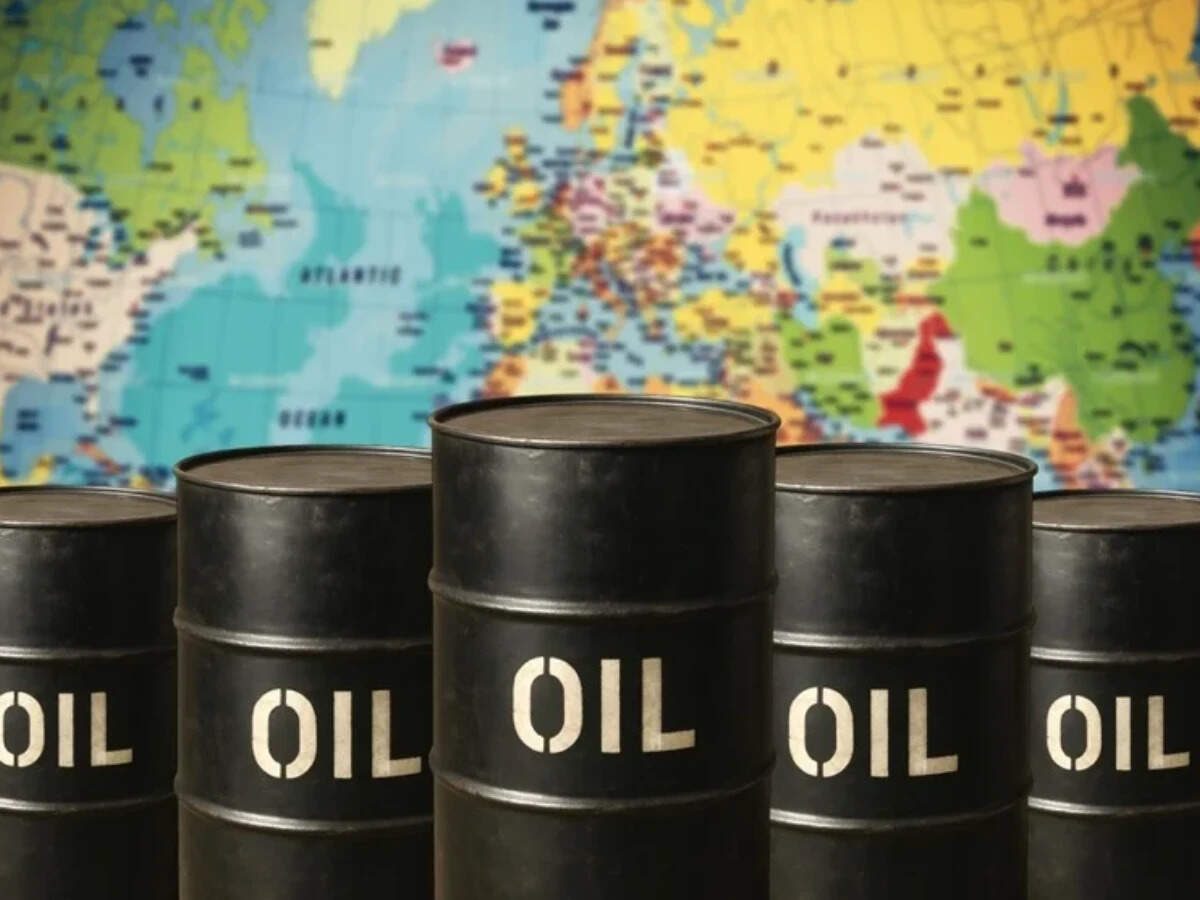
Crude oil prices are on track for their largest weekly gain in months as a US-Iran war chokes off vital Middle East shipping routes, pushing major banks to warn of further price spikes if the standoff persists.
Brent crude closed Friday at $96.78 a barrel, down $3.91 on the day, but still posting a weekly gain of nearly 10%. The international benchmark had breached $100 in the previous session for the first time since May. US West Texas Intermediate crude followed a similar trajectory, finishing the week up 8.27% to settle at $89.31 a barrel.
The price action is driven by a severe contraction in global supply routes. Shipping through the Strait of Hormuz has dropped to a trickle following reciprocal missile strikes between the United States and Iran. Yemen's Houthis have compounded the crisis by attacking vessels in the Red Sea, imposing a naval blockade on Saudi Arabia, and threatening to close the Bab el-Mandeb strait if US attacks on Iranian power infrastructure continue.
Saudi Arabia has mitigated the Hormuz closure by rerouting its oil through pipelines. However, secondary supply shocks are emerging. Kazakhstan's energy ministry confirmed a temporary output cut after suspected Ukrainian drone attacks forced the closure of its main Black Sea export terminal.
Diplomatic interventions are struggling to gain traction. China and Pakistan are reportedly exploring ways to restart stalled US-Iran negotiations to end the five-month conflict. Anindya Banerjee, Head of Commodity Research at Kotak Securities, noted that the market is increasingly focused on the declining chances of a breakthrough, pointing out that Tehran has imposed new conditions for resuming talks.
Financial institutions are mapping the potential fallout for energy markets. JPMorgan estimates that each additional month of supply disruption adds $7 to $8 to Brent prices, pushing the monthly average to $114 if the conflict lasts three months. Goldman Sachs warned that Brent could hit $120 if transit through Hormuz remains choked.
Banerjee highlighted the immediate risks to energy infrastructure. "Any strike on major Gulf export infrastructure could force a retest of $95-100 and beyond," he said. While Goldman Sachs' base case assumes an eventual de-escalation, forecasting Brent at $80 in the fourth quarter and $75 next year, the bank cautioned that its risks remain "tilted to the upside" due to the twin threats in the Strait of Hormuz and the Red Sea.
The threat of further military escalation is concrete. US President Donald Trump has promised "major military punishment" against Iran and its Houthi allies following attacks on two Saudi oil tankers, ensuring supply fears will continue to underpin crude volatility.