Burnham's £100m pub rates cut excludes cafes, distorts competition
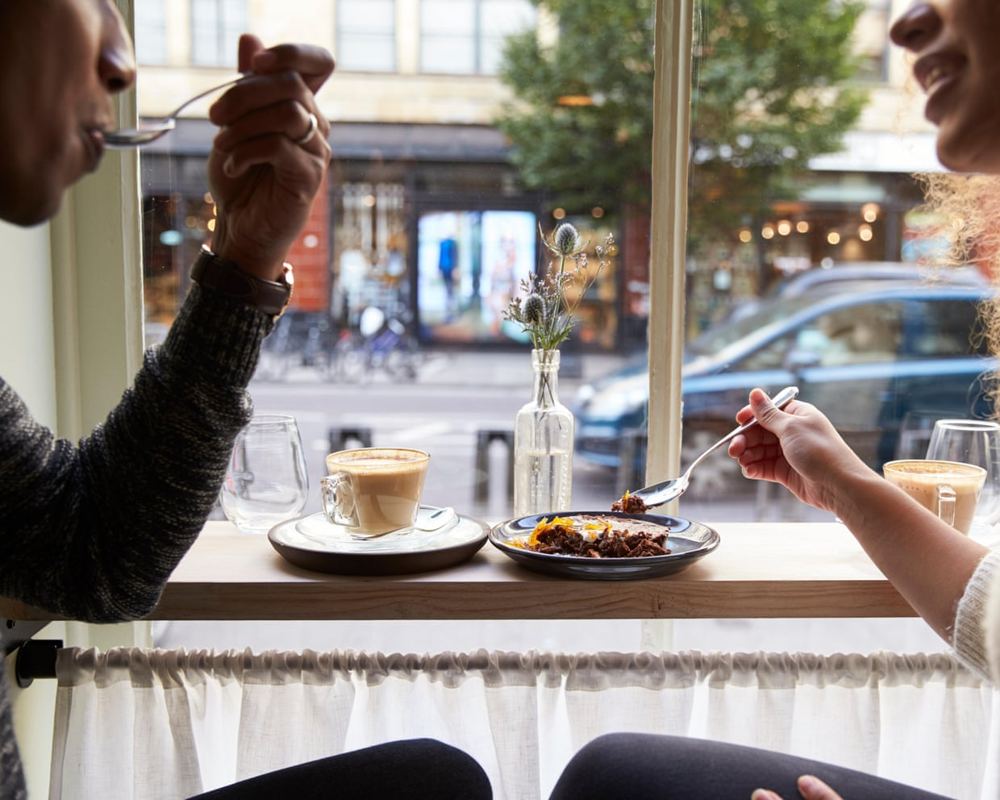
A new £100m business rates relief package for English pubs is drawing sharp criticism from cafe owners who warn the uneven tax treatment will distort high street competition.
Prime Minister Andy Burnham has announced a 20% cut to business rates bills for pubs, social clubs, and live music venues across England, a targeted package worth roughly £100m a year. Taking effect from next April, the relief excludes cafes and restaurants, a move industry figures say will distort competition on the high street.
The policy will save a typical pub an estimated £1,100 next year. For hospitality businesses navigating a fragile economic recovery, this creates an uneven playing field where subsidised venues can leverage lower operating costs to capture market share from unsubsidised rivals.
Hakan Elbir, founder of the deaf-run Dialogue Cafe, warned the differential tax treatment will actively harm his inclusive social enterprise. The business has absorbed rising costs for coffee beans and other expenses to avoid reducing footfall. “This incentive to our competitors is definitely going to affect us in a bad way,” he said.
Elbir argued the subsidy will shift consumer behaviour. “Our customers will now prefer to go to the pub for their hot drinks because they’ll be able to undercut our prices. It’s not fair,” he said. He noted the exclusion is particularly frustrating for social enterprises that help the government employ disabled people.
The exclusion also threatens to choke off growth for small suppliers embedded in international supply chains. Ferdinand Geus, business manager of Sheba Coffee, supplies Yemeni beans to independent cafes globally. His business supports roughly 3,000 small, family-owned farms in Yemen, persuading many to transition from growing the drug khat to cultivating coffee.
Geus noted this network fuels employment across five continents and reaches into UK neighbourhoods. However, Sheba is buckling under increased energy bills and a broader cost of living crisis. As consumers cut back on discretionary spending, expansion has stalled.
“To survive at this point in our business journey, we need to expand, to employ more people, but we can’t do that,” Geus said. He noted that a £1,100 saving, comparable to the pub relief, would have allowed his business to grow. “Supporting pubs while excluding cafes risks creating an artificial distinction between businesses facing many of the same commercial pressures,” he added.
Elbir also argued the alcohol-focused policy misreads shifting consumer habits. Even though his cafe holds an alcohol licence, demand has shifted toward daytime beverages. “If Burnham wants to help communities, he needs to look at what communities really want, rather than what he thinks they want, and focus his support there,” he said.