US tech lags on AI capex doubts as new tariffs hit
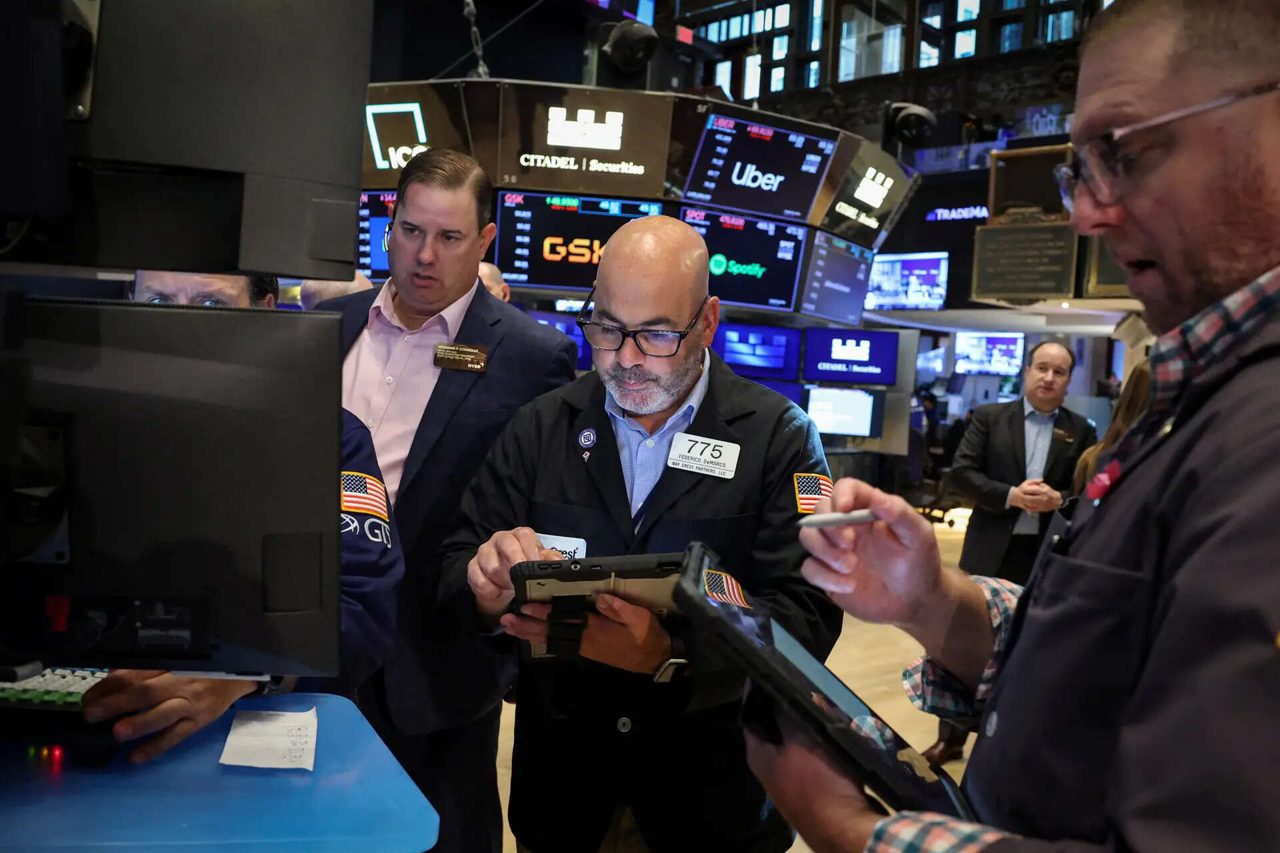
US technology stocks underperformed as Alphabet's expanded capital spending plans intensified investor fears over AI profitability, while new trade tariffs and geopolitical tensions added fresh market headwinds.
The S&P 500 closed largely unchanged as weakness in the technology sector offset gains in other areas. Chip stocks dragged the benchmark lower, weighed down by mounting investor anxiety regarding the massive capital required for artificial intelligence infrastructure.
This scepticism was catalysed by Alphabet’s late Wednesday announcement that it would further increase capital expenditures even while burning cash. With quarterly results imminent for Microsoft, Amazon.com, Meta and Apple, market participants are increasingly questioning the timeline for returns on these investments.
"People are thinking, how do we make sense of all this spending, and how much more patient do we have to be before we actually see it translate to actual profits?" said Peter Andersen, CEO of Andersen Capital Management. "The fear of missing out is becoming more like a fear of massive overbuilding."
Not all AI-adjacent stocks suffered. Real estate was the top-performing sector in the S&P 500, led by Digital Realty Trust. The data centre operator rallied after raising its full-year forecast for funds from operations, suggesting that while investors doubt the immediate software returns of AI, they see tangible demand for physical infrastructure.
Geopolitical dynamics added further volatility to the session. Crude oil futures dropped more than 3% as traders booked profits following a massive five-session rally. The initial decline was driven by reports that China is pushing to resume stalled US-Iran peace talks.
However, oil prices remained sensitive to military developments. US missiles struck targets across Iran after President Donald Trump vowed "major military punishment" for Tehran and its Houthi allies in Yemen. "Whatever the headlines are involving the conflict right now, that drives oil and then oil drives financial markets," Andersen said, noting the downstream effects on consumer and corporate spending.
Trade policy introduced another layer of uncertainty for corporate planning. The Trump administration implemented new tariffs of 10% and 12.5% on goods from 60 trading partners, penalising lax enforcement of forced-labor bans. This targeted approach replaced a temporary 10% global tariff that expired.
Underlying economic data presented a mixed picture of the US economy. Services sector activity accelerated in July, aided by FIFA World Cup and Independence Day spending, but manufacturing growth slowed to its weakest pace since March. Elsewhere, oilfield services firm SLB climbed after beating second-quarter profit expectations.