US threatens strikes on Iran's deep nuclear site amid Hormuz conflict
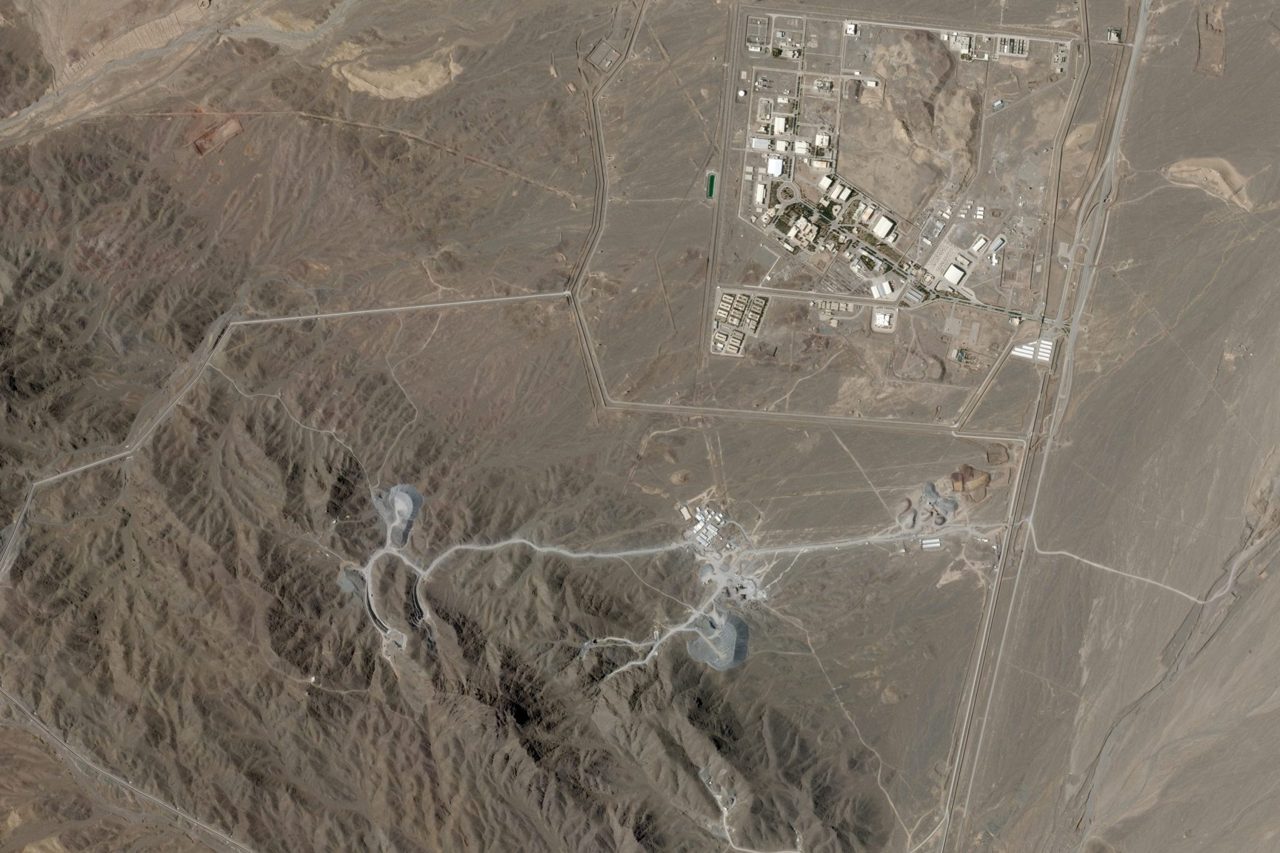
President Trump has threatened imminent, heavy strikes on Iran’s deeply buried Pickaxe Mountain nuclear facility, an escalation that compounds risks to regional energy infrastructure and Strait of Hormuz shipping lanes.
President Donald Trump threatened imminent and heavy US strikes against Iran’s deeply buried Pickaxe Mountain nuclear facility, escalating a conflict already disrupting the Strait of Hormuz. Speaking to journalists in the Oval Office, Trump warned that Iranian forces would be powerless to stop an attack. "We’ll be hitting that area … probably pretty soon. And there’s not a thing they can do about it," he said.
The target, known as Kuh-e Kolang Gaz La, sits adjacent to the Natanz enrichment site that US forces bombed during the 2025 Iran-Israel war. Built after repeated sabotage at Natanz, the 2.7-square-kilometer complex is guarded by Iran’s Revolutionary Guard and anti-aircraft batteries. The United Nations nuclear watchdog has never accessed the site, but Trump acknowledged Iran may have moved centrifuges there.
Pickaxe Mountain presents a severe military challenge. Experts estimate the facility lies between 80 and 100 meters underground, with digging continuing to push it even deeper. The US military’s GBU-57 bunker-busting bomb can penetrate roughly 60 meters of earth, raising questions about whether even a sequential strike could cripple the site.
For markets, the threat expands a conflict that has already seen attacks on critical regional energy infrastructure. Iran reported strikes near its Russian-run Bushehr power plant, while the United Arab Emirates confirmed its four-reactor Barakah facility—the Arab world's only nuclear power plant—was also targeted. Iran has vowed "required actions" in response to attacks on its planned Darkhovin plant.
The nuclear calculus is further complicated by a leadership shift in Tehran. The late Supreme Leader Ayatollah Ali Khamenei, killed on February 28, issued a religious ruling barring nuclear weapons. His successor, Mojtaba Khamenei, has issued no such prohibition. While Iran stopped short of weapons-grade 90% enrichment before the 2025 strikes, rebuilding that capacity under a mountain would take months or years, creating a prolonged window of geopolitical uncertainty for investors.