Nigeria treasury safeguards blocked fake agency disbursement
Nigeria's budget office confirmed that strict fiscal controls prevented any public funds from reaching a phantom government agency, though the scandal raises fresh concerns about bureaucratic vetting.
Nigeria’s Budget Office has confirmed that no public funds were released to the Presidential Foreign Intervention Promotion Council (PFIPC), an agency the presidency says was never legally established.
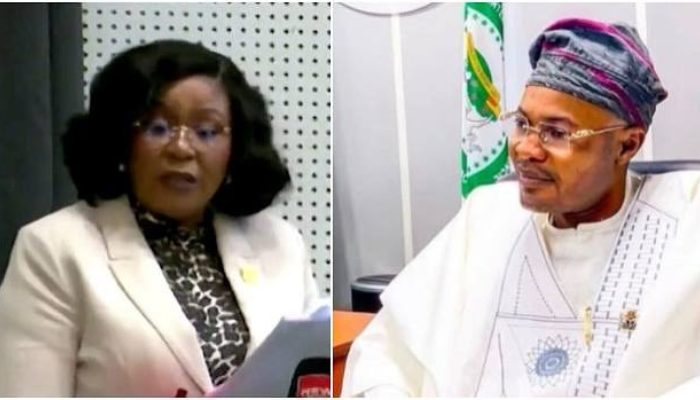
Tanimu Yakubu, director-general of the Budget Office, told lawmakers on Friday that while the National Assembly appropriated N1.302 billion for the council in the 2026 budget, statutory conditions for expenditure were never met. He noted that not "one kobo" of the allocation was drawn.
For investors tracking governance risks in Nigeria, the testimony offers a mixed assessment of institutional integrity. While the treasury’s ultimate safeguards successfully prevented a cash loss, the fact that forged documents penetrated multiple federal agencies to secure a budget code remains a significant operational concern.
Yakubu explained that the Budget Office processed the request only after the Accountant-General assigned a budget code and the Head of the Civil Service issued a recruitment waiver. The office independently cut the council’s initial N3.85 billion personnel request down to N802.97 million based on standard salary structures.
Actual disbursement was halted because the National Salaries, Incomes and Wages Commission never certified the staffing structure. Consequently, the Budget Office issued no Financial Clearance, blocking payroll enrolment and preventing any drawdown of the personnel, overhead, or capital allocations.
“The controls did not discover a loss after the event; they prevented the event. They kept the money from moving,” Yakubu said. He framed the episode as evidence of "institutional resilience" rather than weakness.
Lawmakers, however, questioned why the Budget Office did not verify the council's founding legislation. Committee member Abubakar Fulata noted the purported establishing Act lacked a gazette number and required presidential signatures.
Committee Chairman Yusuf Gagdi said the probe has shifted to determining how forged documents gained acceptance across government institutions. The Accountant-General is scheduled to testify on Monday, with the panel aiming to conclude its findings next week.