Negative FCF at Alphabet sets tough test for Meta, Amazon, Microsoft
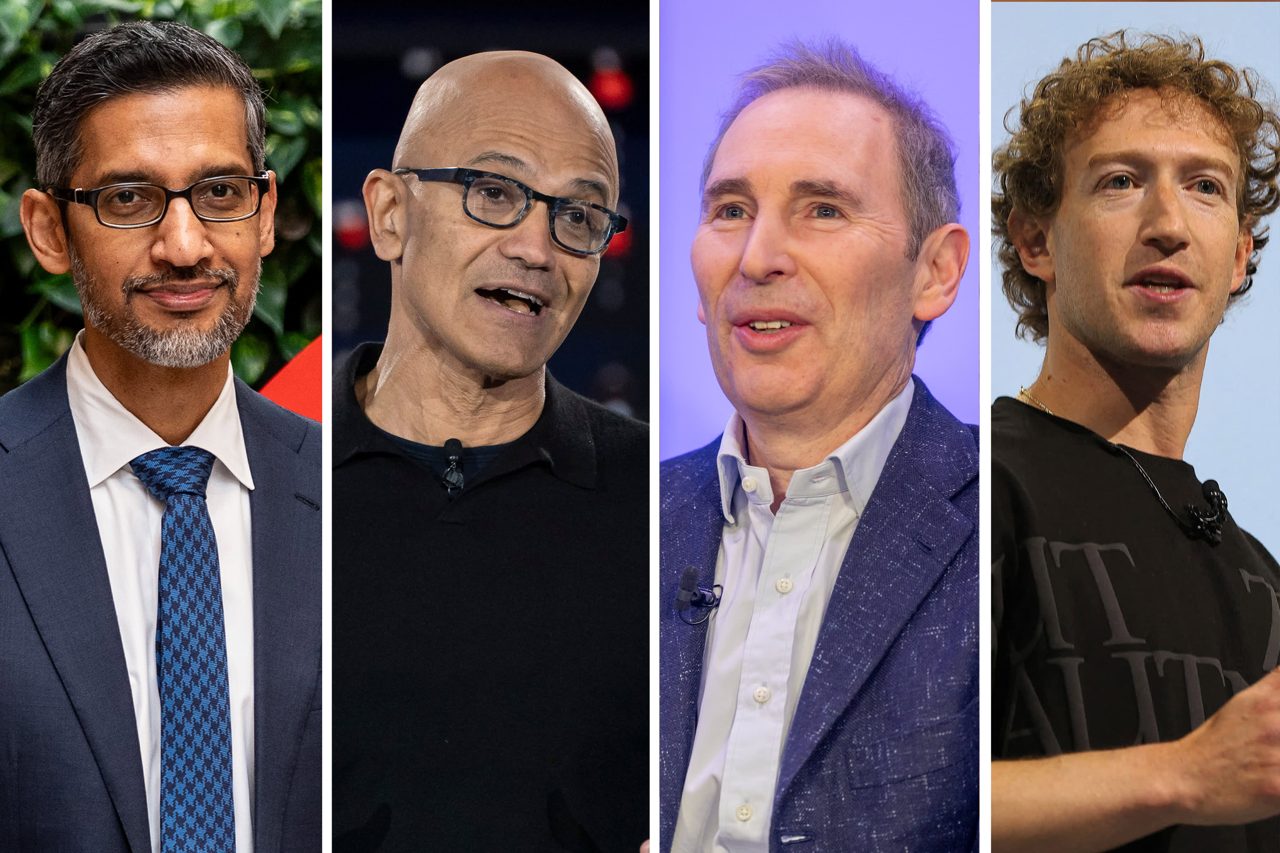
Alphabet’s record capital expenditure forecast pushed its free cash flow into negative territory for the first time, signaling a new era where investors will penalize Big Tech peers for building AI infrastructure without clear monetization paths.
Alphabet raised its 2026 capital expenditure forecast by $15 billion at the midpoint, targeting a range of $190 billion to $205 billion, and warned spending will climb further in fiscal 2027. The aggressive build-out pushed second-quarter free cash flow into negative territory, with outflows of $5.8 billion marking the first such decline in the company's history. The stock dropped 7% the following day and lost nearly 8% over the week, a selloff that accelerated after the company announced plans to sell $85 billion worth of stock to offset the spending.
The market reaction highlights a critical shift in how investors evaluate artificial intelligence investments. "Capex trends are going to be the number one focus," said Jeff Marks, a portfolio director. "They are spending because they see the demand and they don't want customers to go elsewhere. But you can't ignore what it's done to free cash flow, either."
Meta Platforms and Microsoft report earnings on Wednesday evening, followed by Amazon on Thursday. Meta is arguably the most closely watched after raising its 2026 capex guidance by $10 billion to a midpoint of $135 billion last quarter, which triggered a 9% stock plunge. However, the company is preparing to launch a public cloud business to sell excess computing capacity, a move that could provide the monetization visibility investors currently demand.
For Amazon, Alphabet's results provided a clear rationale to maintain its own massive outlays. Google Cloud's swelling backlog indicates robust enterprise demand, which bodes well for Amazon Web Services, the world's largest cloud provider. Amazon has kept its 2026 capex forecast at roughly $200 billion, and to manage the impact of an anticipated negative free cash flow this year, the company has been tapping the corporate bond market.
Microsoft faces a more complex test as it confronts both infrastructure costs and software disruption fears. The company outlined roughly $190 billion in capital spending for calendar 2026 in April, contributing to free cash flow pressure that has helped drive its stock down 20% this year. Adding to those concerns, Microsoft carries heavy exposure to enterprise software, a segment rattled recently when Starbucks announced plans to drop Microsoft tools in favor of in-house AI alternatives.