Wall Street rotates from chips to software on AI doubts
A sharp reversal in semiconductor stocks drove a sector rotation into software on Friday, highlighting growing investor skepticism over the pace of artificial intelligence infrastructure spending.
US markets ended a volatile week with a clear sector rotation as the Dow Jones Industrial Average rose 0.4%, the S&P 500 remained flat, and the Nasdaq Composite fell 0.5%. The tech-heavy index was dragged down by a sudden selloff in semiconductor stocks.
After a strong second quarter, chipmakers faced a brutal July session. Micron slid 7%, Marvell Technology dropped 7%, and Sandisk plunged over 10%. Intel fell nearly 6% despite posting strong second-quarter results the previous evening. The declines reflect underlying market doubts about the long-term sustainability of the AI hardware buildout.
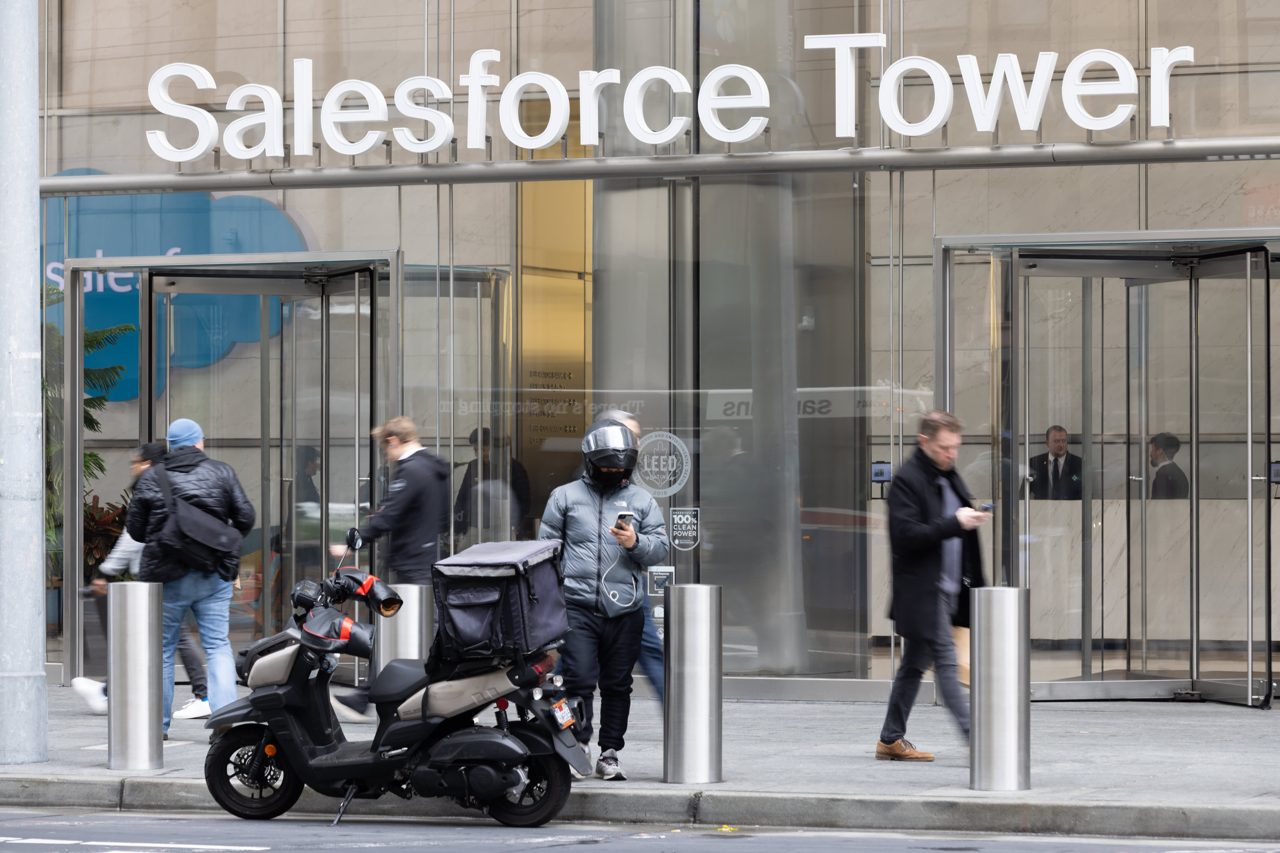
Capital exiting hardware found a home in beaten-down software names. Salesforce rose more than 4% to lead the group, joined by gains in Workday, Intuit, and Adobe. The move underscores a familiar trading pattern where investors shed hardware winners to buy lagging software equities, keeping overall market liquidity intact while reshuffling sector allocations.
Salesforce's rally was fueled by a $1.6 billion, three-year contract with the U.S. Department of Veterans Affairs to supply agentic AI tools. The deal builds on public sector cloud annual recurring revenue that surpassed $2 billion in May, up 23% year-over-year. However, the stock remains down nearly 40% in 2026 as Wall Street continues to fear AI will erode its seat-based enterprise model.
D.A. Davidson analyst Gil Luria noted the contract appears "significant" given its scale. Yet he cautioned that "one deal does not change the fact that Salesforce has been struggling to hold on to growth over the last few years." Luria added that "being part of a big government deal does not always guarantee meaningful profits."
Broader market sentiment was also shaped by geopolitical developments. WTI and Brent crude prices pulled back following a Reuters report that Pakistan is pushing for U.S.-Iran peace talks, offering temporary relief from a week of oil-driven headwinds. Separately, President Donald Trump renewed tariff threats against the European Union over its treatment of American tech firms, while his administration imposed fresh levies on 60 trade partners over alleged forced labor.
Investors are now bracing for the busiest week of the summer earnings season, with a third of the S&P 500 set to report. Major releases include Apple, Amazon, Microsoft, and Meta Platforms. The week also features a Federal Reserve policy announcement on Wednesday, with markets increasingly uncertain whether the central bank will hike rates or hold them steady.