Prediction Markets Price Prolonged Strait of Hormuz Shipping Disruption Into 2027
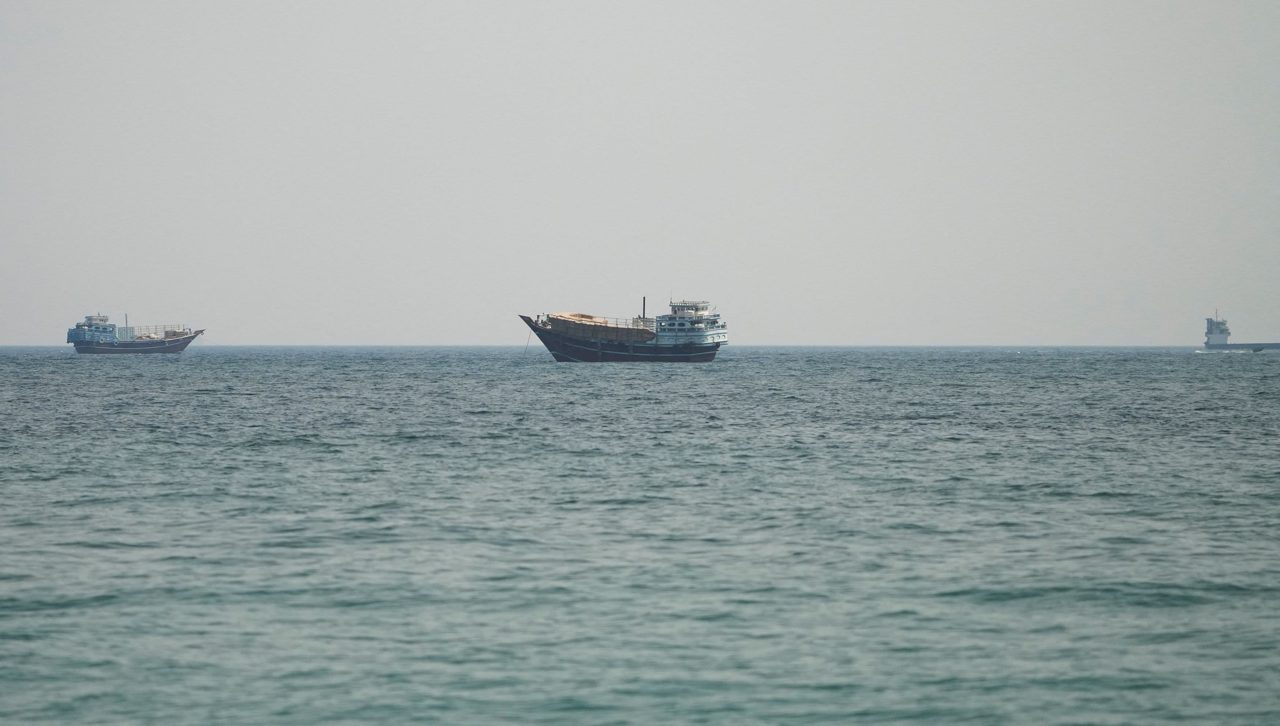
Prediction markets indicate that critical maritime traffic through the Strait of Hormuz may remain severely disrupted until 2027, signaling prolonged supply chain and energy market volatility for global investors.
Prediction markets are increasingly pricing in a prolonged disruption of maritime traffic through the Strait of Hormuz, with normalization unlikely before 2027. Market odds on Kalshi for a return to normal shipping levels by July 2027 plummeted to 47 percent on Friday afternoon, down from nearly 70 percent just two days prior.
The probability of ship traffic resuming normally within the current year now stands at a mere 38 percent. Even the outlook for regular shipments to be restored before April 2027 has faded, with odds hovering at 48 percent. These contracts are set to resolve only if the seven-day moving average of transit calls exceeds 60, according to data verified by IMF Portwatch, while the current average sits at approximately 12.
Escalating Tensions and Regional Spillover
This sharp reassessment follows the United States launching its 13th consecutive night of strikes against Iranian targets. Compounding the escalation, President Trump signaled in a recent interview the prospect of a further "massive attack" against Iran. He reinforced this stance on social media, stating he would hold Iran directly responsible for any future attacks committed by Houthi rebels.
The conflict is already demonstrating a wider regional spillover effect that threatens global energy logistics. Iranian-backed Houthi rebels in Yemen recently claimed responsibility for attacking two Saudi oil tankers in the Red Sea. Matt Smith, director of commodity research at Kpler, noted that this development adds a new dimension to the strait’s reopening timeline.
"We're pushing that reopening into next year," Smith observed. This extended timeline presents significant headwinds for energy markets, insurance underwriters, and global supply chain operators who rely on the unimpeded flow of crude and refined products through this critical chokepoint.
Diplomatic channels are attempting to intervene alongside the military escalation. Reports indicate that Pakistan is actively pushing for peace talks between the United States and Iran. This diplomatic effort is reportedly receiving added impetus from China, though markets remain skeptical of a near-term resolution given the current trajectory of transit data.