Wildberries Faces Uninsured Losses as Drone Strikes Destroy Russian Distribution Hubs
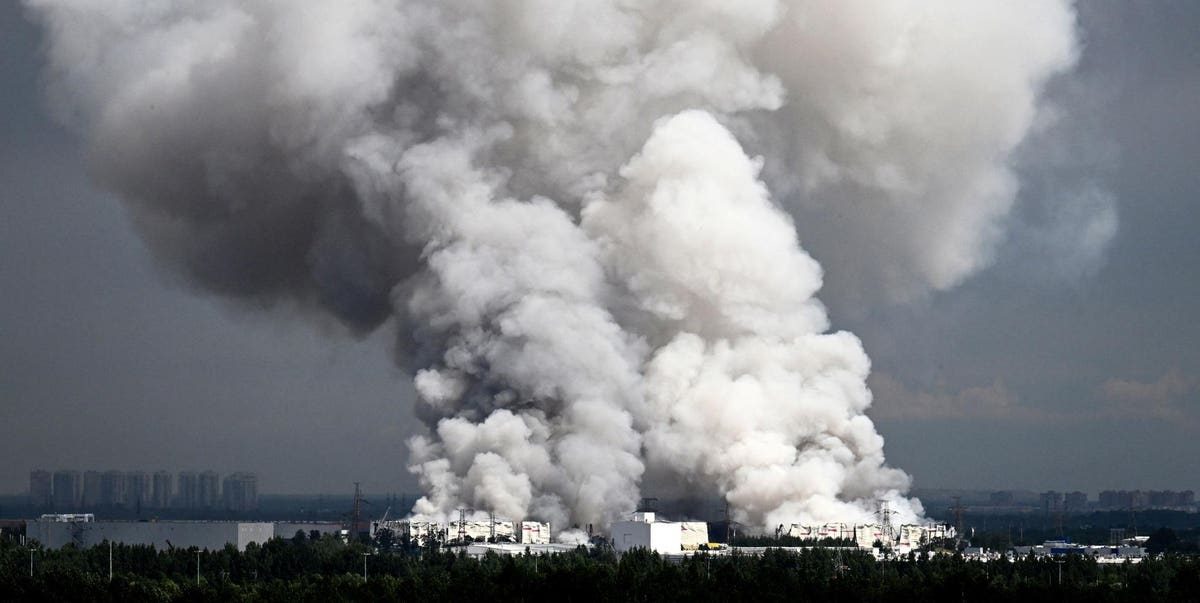
The destruction of seven major distribution centers by Ukrainian drones has inflicted over $1.3 billion in uninsured damage on Russia’s largest e-commerce player, forcing competitors to rewrite risk contracts and halting international expansion plans.
Ukrainian drones have destroyed seven major distribution centers belonging to Wildberries over the past week, including two facilities in St. Petersburg hit on Friday. The strikes have inflicted an estimated $1.3 billion in damage to the infrastructure of the e-commerce giant controlled by Tatyana Kim, Russia’s wealthiest woman.
Crucially for investors, Kommersant reports that Kim’s insurance policies do not cover drone strikes or acts of terrorism. This exclusion leaves the company directly exposed to the financial fallout of the attacks, which have already disrupted a business that Forbes estimated generated $9 billion in revenue last year.
Wildberries employs 48,000 people and processes roughly 7 million customer orders daily. Kim stated the company is actively redistributing inventory to surviving facilities to maintain operations, while also pledging 2 million rubles to the families of any killed employees and half that amount for serious injuries.
The vulnerability of centralized logistics is already reshaping market behavior. Rivals Ozon and Yandex have proactively modified their seller contracts this week to explicitly exempt themselves from liability for inventory destroyed by fire or attacks.
These operational shocks threaten to derail Wildberries' broader corporate strategy. The company had recently secured President Vladimir Putin’s approval for a major restructuring and announced plans to expand into Africa in 2025, ambitions that now appear untenable as capital is diverted to domestic network reconstruction.
Ukrainian officials justify the strikes by classifying the warehouses as legitimate military targets that distribute tactical equipment. Drone commander Robert Brovdi noted the operations aim to degrade Russian logistics networks and shatter the domestic illusion of peacetime stability.
The severity of the blazes highlights a structural risk in modern logistics. A recent report by Zurich North America warned that mega-warehouses have become increasingly difficult to defend against fire due to dense layouts, high roofs, and the proliferation of flammable inventory like lithium-ion batteries.