Hormuz Tanker Traffic Collapses to One Vessel as Crude Tops $100
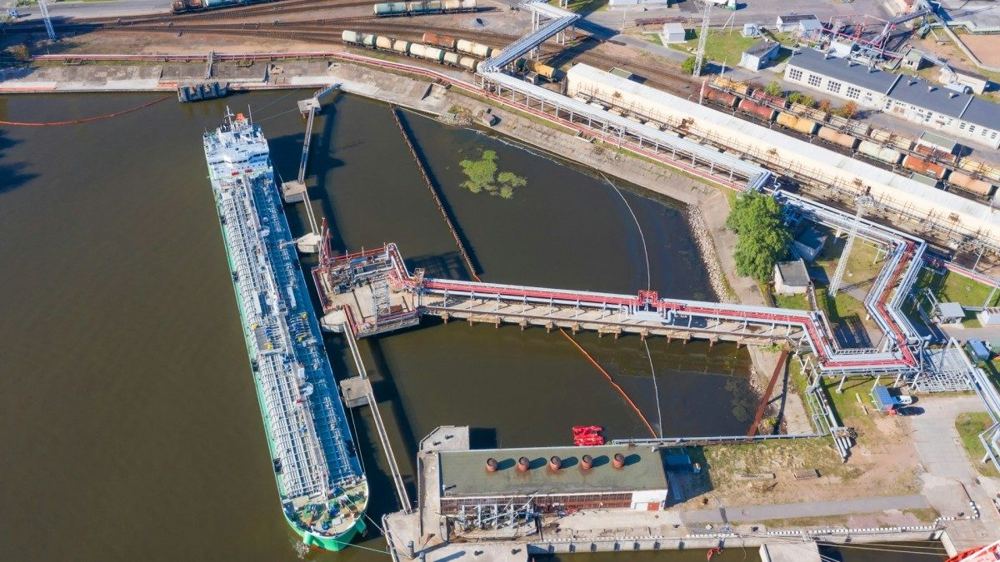
Strait of Hormuz tanker transits plummeted to a single vessel on Thursday as escalating geopolitical risks pushed crude prices back above $100 a barrel and forced major exporters like Aramco to reroute shipments.
Strait of Hormuz tanker transits plummeted to a single vessel on Thursday, the lowest daily volume since May 7, as surging regional war risks drove crude oil prices back above $100 a barrel. Vessel-tracking data from Kpler shows three tankers navigated the critical waterway on Wednesday before crossings collapsed the following day, with zero vessels making inbound transits into the Persian Gulf.
The sole outbound vessel was the New Giant, a supertanker carrying approximately 2 million barrels of Iraqi Basrah crude. It is destined for China’s Rizhao port, with arrival scheduled for mid-August, underscoring how Asian refiners remain reliant on these highly vulnerable shipping lanes.
Supply Chains Stretched
The near-halt at Hormuz is forcing a rapid restructuring of Middle Eastern oil logistics. While traffic at the Bab el-Mandeb Strait in the Red Sea has remained relatively high, tracking data indicates multiple tankers have turned north toward the Suez Canal to evade Houthi militants.
The Iran-aligned group has become a primary threat to regional energy flows. For Asian buyers, diverting cargoes through the Suez Canal, the Mediterranean, and around Africa triples the delivery time for energy commodities compared to the direct Bab el-Mandeb route, threatening to create physical shortages.
Aramco Adjusts Export Strategy
Saudi Aramco has moved to insulate its export program from the Persian Gulf bottleneck. The state oil giant had already routed most of its shipments away from Hormuz via the Bab el-Mandeb Strait. It has now begun offering crude loadings at Sidi Kerir, its Egyptian terminal on the Mediterranean.
This geographic shift allows Aramco to bypass both Houthi threats in the Red Sea and elevated risks near the Strait of Hormuz. The move secures alternative delivery avenues to global markets as traditional routes become paralyzed.
“Further escalation in the Persian Gulf and fears of a widening conflict are putting a significant amount of oil supply at risk,” ING commodity analysts said on Friday. They pointed to Houthi attacks on Saudi tankers and fresh threats from President Trump against Iran as the drivers of the disruption.
For global markets, these physical bottlenecks validate the geopolitical risk premium that has lifted crude back above $100. With a critical chokepoint effectively frozen and alternative routes tripling transit times to Asia, investors are now pricing in a sustained period of supply tightness rather than a temporary shock.