US rare-earth refining push opens ETF path
Washington is funding domestic rare-earth refining for the first time in three decades, creating a volatile but potentially lucrative entry point for investors seeking supply chain exposure.
The Trump administration is accelerating the development of domestic rare-earth refining through targeted federal funding and streamlined permitting. The policy shift marks the first major attempt in over 30 years to rebuild a US supply chain for materials vital to defense, artificial intelligence, and clean energy.
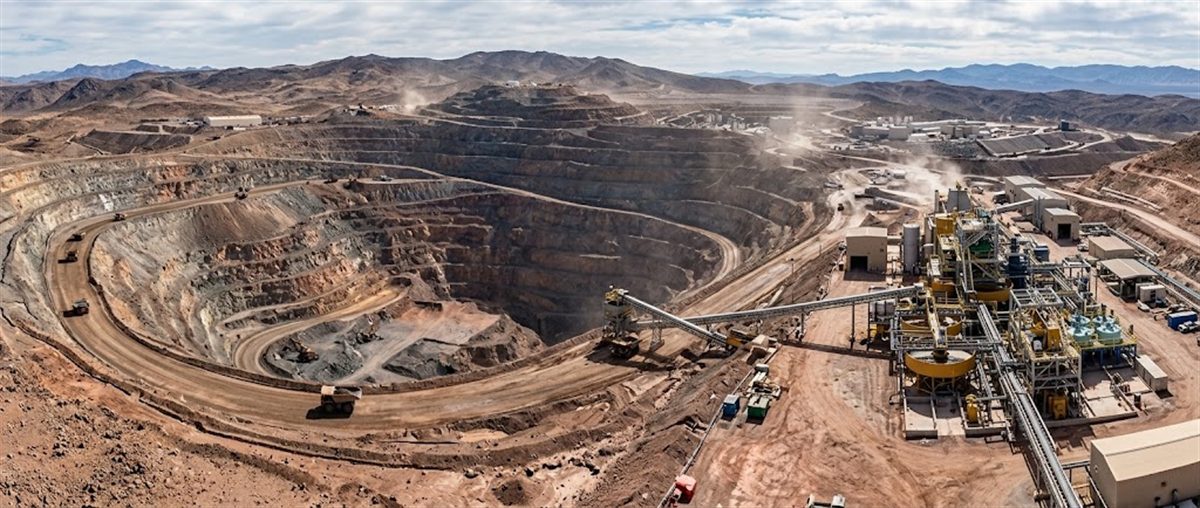
China dominates the rare-earth sector not because it holds the only deposits, but because it spent decades building the midstream processing infrastructure that other nations avoided. Refining rare earths is chemically intensive and produces radioactive byproducts, making it economically unattractive without state subsidies. Washington is now intervening to remove exactly these bottlenecks, specifically targeting long environmental review timelines that historically made US refining uneconomic.
The strategy is already translating into federal deals. In early 2026, USA Rare Earth secured a partnership providing $1.6 billion in funding. As part of the agreement, the Department of War received 16.1 million shares, a position that could grow to a 12% to 25% stake depending on warrant exercises.
Despite government backing, individual companies in this sector carry significant execution risk, and meaningful payoffs are likely years away. For investors looking to capitalize on the reshoring of critical minerals without overexposure to a single company, exchange-traded funds offer a diversified alternative. The sector has experienced a sharp sell-off since May, pulling major funds back from their 52-week highs.
The VanEck Rare Earth and Strategic Metals ETF is the largest and most liquid option. REMX holds 38 companies across the global supply chain, led by a 7.2% weighting in Albemarle. With $2.4 billion in assets under management and a 0.58% expense ratio, the fund is up 91% over the past year but recently pulled back to trade at $79.76.
Two smaller funds offer different strategic tilts. The Global X Rare Earth & Critical Materials ETF holds just over 50 companies specifically targeting components for electric vehicles, energy storage, and robotics. It manages roughly $40 million in assets at a 0.59% expense ratio and has gained 60% in the last 12 months.
For broader exposure, the Sprott Critical Materials ETF holds between 125 and 170 holdings across various industrial metals, though it is currently heavily weighted toward uranium companies. Managing approximately $560 million with a 0.65% expense ratio, SETM is up 74% over the past year but has dropped 14% in the last three months.