Naira hits N1,557 per euro as CBN tight policy supports flows
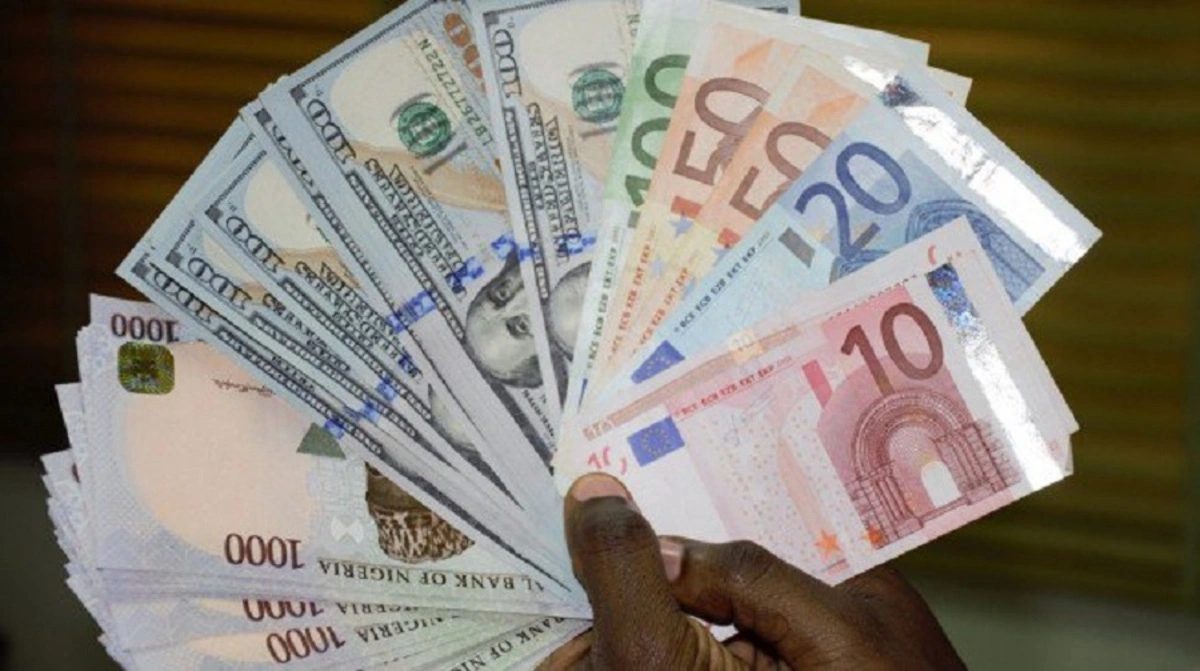
The Nigerian naira strengthened against the euro to N1,557, supported by the central bank's tight monetary policy, though looming US rate hikes and Middle East tensions threaten the currency's recent stability.
The Nigerian naira appreciated against the euro on Friday, settling at N1,557 per euro compared to N1,570 in the previous session. The currency has traded in a tight corridor between N1,561 and N1,576.7 since early July. This leaves the pair comfortably below its early-year support near N1,684 and far removed from a January peak of N1,774, having recently touched a multi-month low of N1,555.
The naira's stability stems from aggressive actions by the Central Bank of Nigeria. High interest rates and a constrained money supply are drawing portfolio flows into the country while limiting the local currency's depreciation. Active central bank interventions have also narrowed the spread between official rates and parallel street exchanges, reducing market disruptions.
On the other side of the pair, the euro lacks the momentum to push higher. The European Central Bank kept its key interest rates unchanged following a 25-basis-point hike in June, leaving the deposit facility at 2.25%. With only limited rate adjustments expected going forward, the single currency traded near $1.138 in the London session on Friday.
Despite this favorable central bank divergence, the naira faces mounting external pressures. Money markets are pricing in an 82.1% probability of a 25-basis-point Federal Reserve rate hike by September, alongside a 35.8% chance of an increase in July. Higher US rates typically draw capital away from emerging markets.
Geopolitical tensions are simultaneously escalating after Iran-linked Houthi militants attacked two Saudi oil tankers in the Red Sea. The United States retaliated with a 13th consecutive night of airstrikes on Iran. President Donald Trump warned that "major military punishment" awaits if the attacks continue, a conflict that threatens to push crude oil prices higher and strengthen the dollar.
Trade policy adds another layer of risk, as the US intends to impose 10% to 12.5% tariffs on imports from its largest trading partners. This includes a 10% baseline tariff on European goods structured to comply with existing EU-US agreements. While the CBN's tight policy currently anchors the naira, these converging global headwinds could quickly test the currency's floor.