UK coast proposed as special economic zone to spur growth
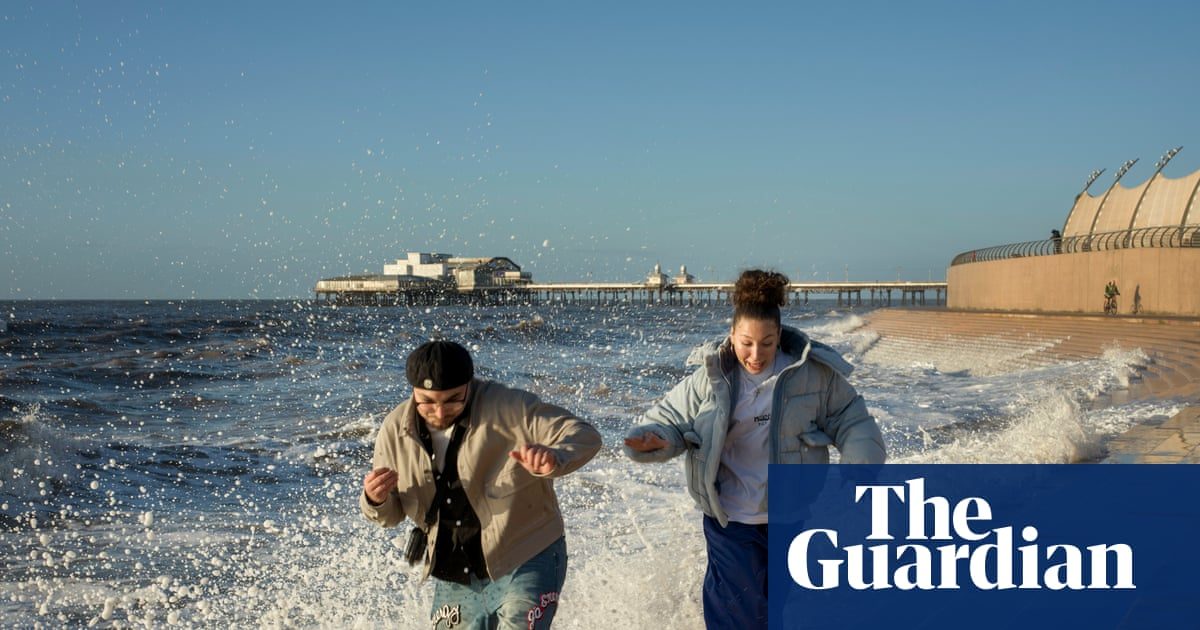
A Labour MP is calling for a 5km coastal special economic zone to reverse decades of economic decline and tap into a stranded youth workforce.
Labour MP Polly Billington is pushing the government to designate the area within 5km of England and Wales’s shoreline as a "special economic zone" with tailored rules to stimulate growth sectors. The chair of the newly reformed coastal parliamentary Labour party argues the region can no longer be treated as too difficult to develop. "We need to start talking about what our opportunities and potential are," Billington says.
The proposal targets a deepening regional economic divide. Nine of the 10 most deprived neighbourhoods in England are coastal, including seven in Blackpool alone. With nearly 1 million 16- to 24-year-olds not in work, education or training nationwide, and youth services funding in England down 73% over 12 years, coastal towns are losing viable workers.
Geography acts as a structural barrier to labour mobility. Young people in these towns report that employment opportunities are effectively halved by the sea blocking expansion in one direction. Securing work experience is heavily dependent on family connections, while a lack of affordable transport restricts access to job markets. "There should be more means testing to allow those from poorer families to keep hold of a bus pass, not just up until when you’re 18 and in college, but after that, so that you can get a job elsewhere and do other things," says Archie, 23, from Weston-super-Mare.
Policy delivery remains fragmented. Avril Keating, professor of youth studies at University College London, notes that multiple government departments share responsibility for coastal objectives without a unified strategy. "There are so many people and different government departments responsible for delivering objectives for the coast. The question now is: who is joining that up to make sure there is a strategy in place?" she says. The government’s initial rollout of its new young futures hubs currently only includes Brighton and Hove.
Localised interventions, however, demonstrate potential cost savings. In Fleetwood, the Coastal Navigators Network redesigned youth mental health support to focus on early intervention, achieving a 54% reduction in referrals to child and adolescent mental health services. Lord Kamlesh Patel, the network's chair, warns that Whitehall is failing to scale these local successes. "We don’t need more research or more evidence on this. We just need practical projects led by local people created within a system that listens to them and links them together," he says.