Nigeria trains 5,000 technicians for 7m smart meter rollout
Nigeria has begun training 5,000 smart meter installers to support a seven-million-unit rollout, a crucial step to end estimated billing and improve revenue for electricity distribution companies.
The Nigerian government has started training the first cohort of 5,000 smart electricity meter installers, selecting them from a pool of 220,000 applicants. The trainees will undergo a three-week intensive programme in Abuja combining classroom instruction with practical field work before deployment.
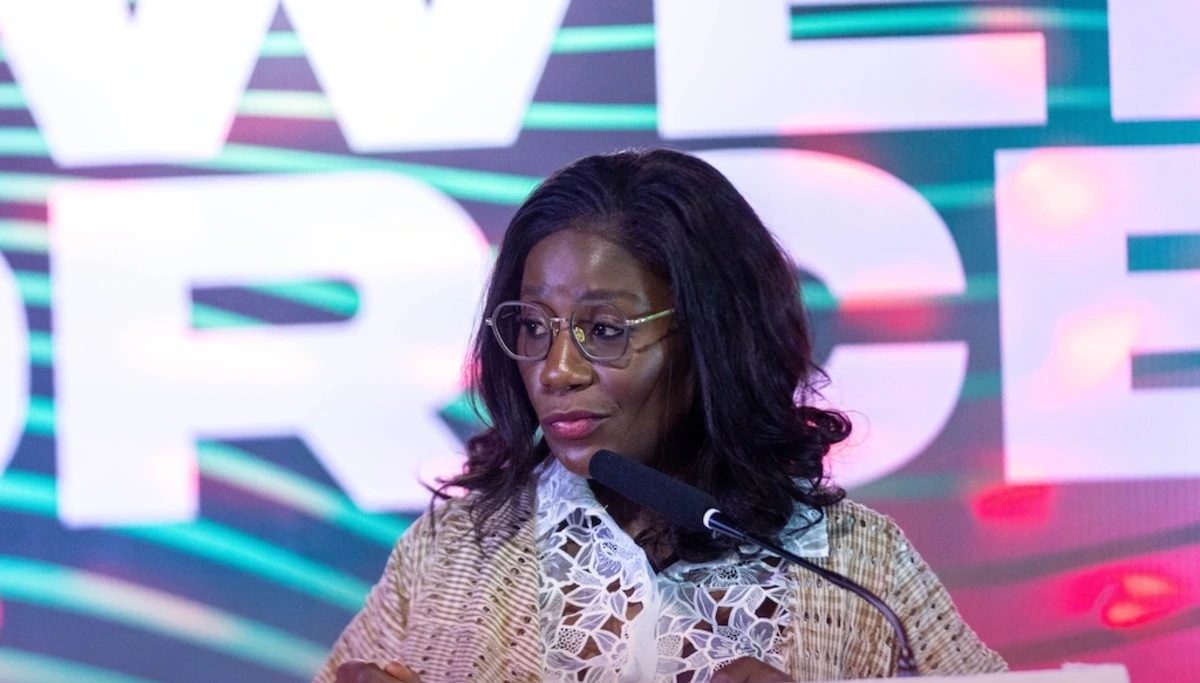
The initiative is a core component of the Presidential Metering Initiative (PMI), a broader push to deploy seven million smart meters across the country. PMI Executive Secretary Olu Verheijen described the programme as the largest metering effort in Nigeria’s history. Its primary objective is to eliminate estimated billing, ensuring customers pay only for the electricity they actually consume.
For electricity distribution companies, this rollout represents a critical opportunity to improve billing transparency and strengthen revenue collection. Speaking through a representative, PMI Board Chairman Abdulrahman Abdulrazaq noted the initiative also serves a broader economic purpose. "PMI is not just about fixing the finances of the power sector through metering. It is also about impacting the lives of young Nigerians, through training and skills development," he said.
Supply chain risks persist
Despite the workforce progress, the infrastructure rollout faces significant legal headwinds that investors should monitor. The Association of Meter Manufacturers of Nigeria (AMMON) secured a court injunction in April 2026 halting the opening of bids for the international procurement of 1.55 million meters.
This dispute over local manufacturing participation poses a direct threat to the $500 million World Bank-backed Distribution Sector Recovery Programme (DISREP). If the legal blockade remains unresolved, supply chain delays could severely undermine the government's timeline for closing the national metering deficit.
The scale of the remaining task highlights the stakes involved. Data from the Nigerian Electricity Regulatory Commission shows Nigeria ended 2025 with 6,966,584 metered customers, achieving a 57.27% national metering rate. Although deployment momentum picked up with over 109,000 customers receiving meters in December 2025 alone, approximately 5.19 million active electricity customers remained on estimated billing.