US sets 10-12.5% tariffs on 60 nations, replacing expiring levies
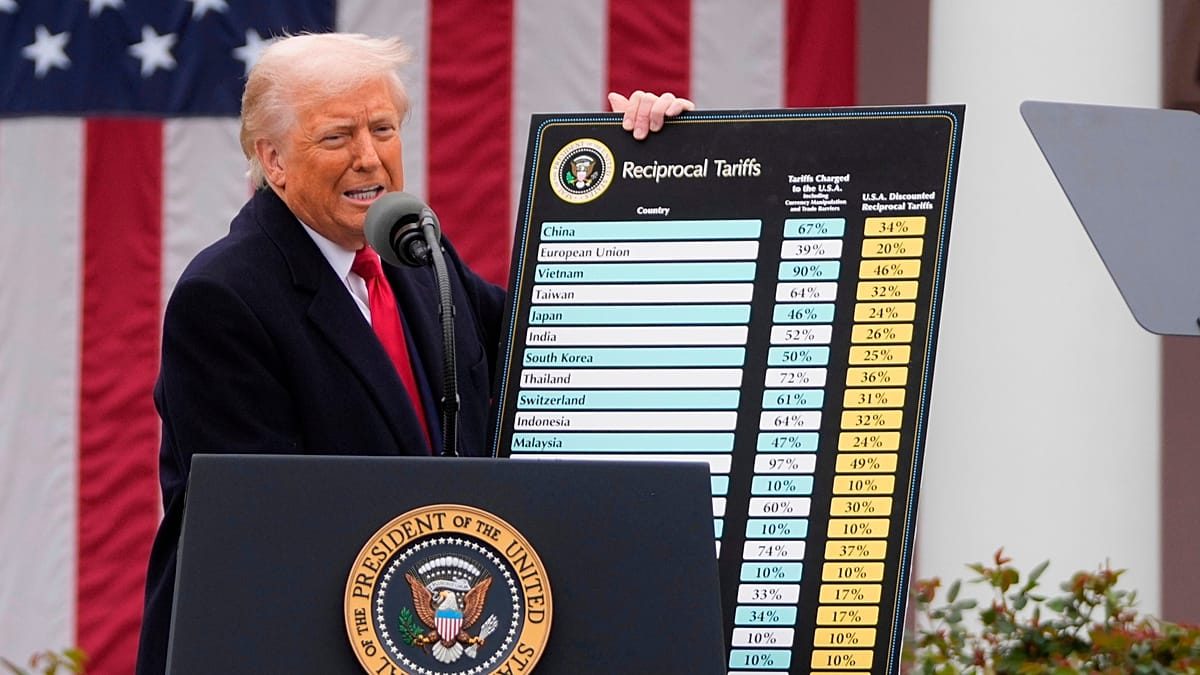
Washington is replacing temporary global tariffs with a new 10-12.5% baseline duty on nearly all imports, using forced labour justifications to secure a more legally durable trade barrier.
President Donald Trump will impose new tariffs ranging from 10% to 12.5% on 60 countries and the European Union, effective Friday. The duties will immediately replace a blanket 10% levy on global imports that expires at midnight.
The shift carries significant implications for corporate supply chains, as the administration deliberately chose a more resilient legal framework to maintain a permanent baseline of trade costs. The new levies are enacted under Section 301 of the Trade Act of 1974, which targets "unreasonable" trade practices and is considered more resistant to court challenges.
This marks the administration's third attempt to implement broad tariffs after the Supreme Court struck down its initial use of emergency powers in February. The expiring 10% duties were a temporary 150-day fix under Section 122, forcing the government to issue refunds on the previous illegal levies.
The new framework splits US trading partners into two tiers, covering 99% of American imports. Nations that have implemented or committed to a forced labour import ban—including Canada, the EU, India and the UK—will face a 10% rate. China, Japan, South Korea, Brazil and Chile will face a higher 12.5% rate.
Energy and agricultural supply chains will see some relief. Oil, gas, fertilisers and goods covered by the US-Mexico-Canada Agreement are exempt from the new charges.
The move has already triggered retaliation risks that investors must monitor. Brazil, hit with the 12.5% rate, called the decision “arbitrary and unjustified” and vowed to implement retaliatory tariffs. Washington "chose to manipulate an issue of great importance to human rights and the struggles of workers worldwide in order to accuse 59 countries and the European Union of unfair practices," the Brazilian government said.
Chile rejected the premise entirely, with Undersecretary for International Economic Relations Paula Estévez pointing to the country's "solid labor institutions, a robust regulatory framework and a firm commitment to the prevention and eradication of forced labour." U.S. Trade Representative Jamieson Greer defended the policy: "The United States has had a forced labour import ban for nearly a century, and rigorously enforces it; it's well past time for our trading partners to do the same."
Human rights groups remain skeptical of the administration's motives but acknowledge the duties could pressure supply chains to address the estimated 27.6 million people in forced labour globally. For markets, however, the primary takeaway is the structural entrenchment of higher import costs.