Trump Administration Levies New Global Tariffs on 60 Economies Over Forced Labor
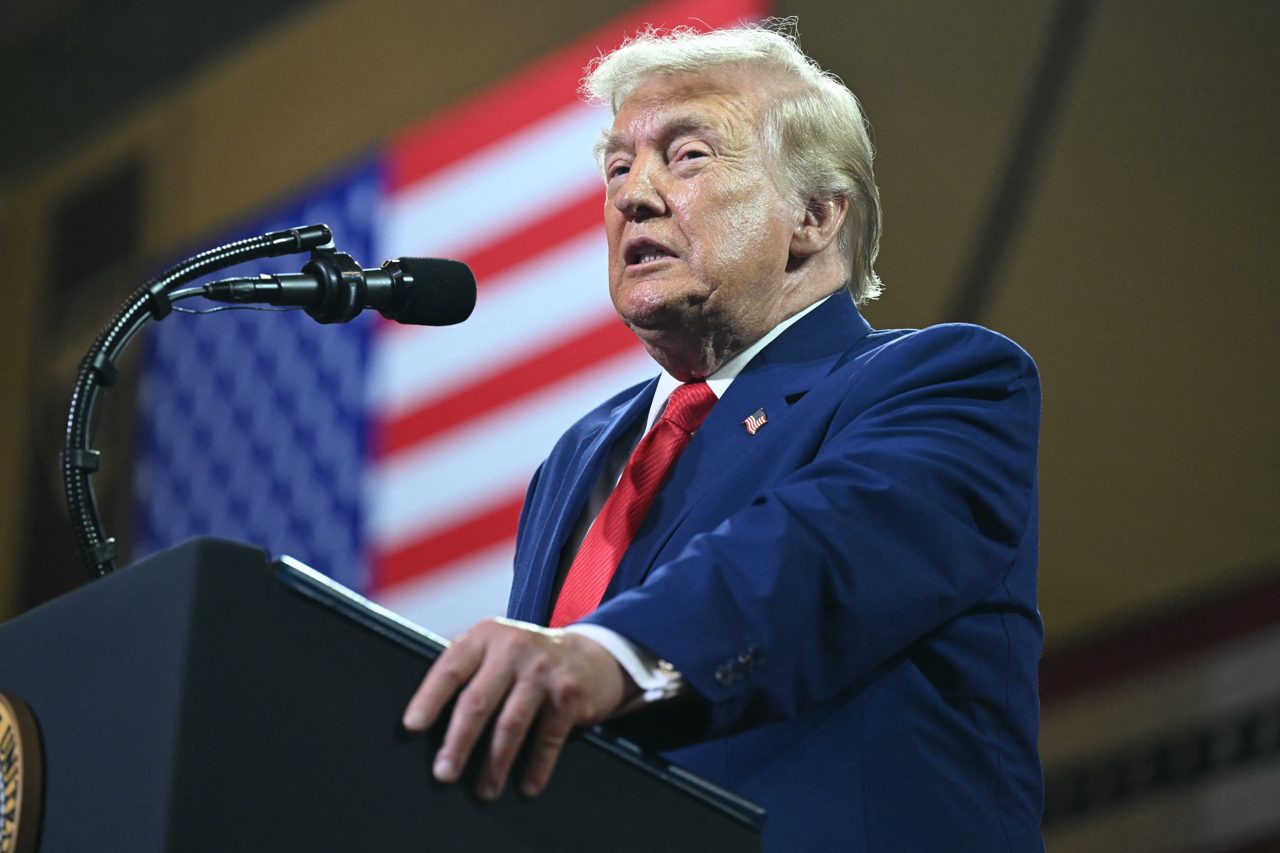
The United States has imposed new tariffs covering nearly all American imports under a forced-labor rationale, testing trade alliances while providing the administration a legally durable alternative to previously struck-down emergency measures.
The US Trade Representative enacted Section 301 tariffs on Thursday targeting 60 economies, covering 99.4 percent of American imports. The duties are set at 10 percent for nations with forced-labor import bans and 12.5 percent for those without such commitments.
This policy replaces a temporary 10 percent global tariff under Section 122 that expires today, July 24. By anchoring the levies to forced-labor enforcement, the administration secures a more durable legal foundation after the Supreme Court invalidated its emergency-powers tariffs in February.
Market observers note the move extends trade friction broadly, forcing multinational corporations to reassess global supply chain compliance. The Peterson Institute for International Economics characterized the investigation as a mechanism for exporting America’s import ban on Chinese goods and recreating the tariff regime previously struck down by the courts.
Trading partners have largely rejected the rationale while avoiding immediate retaliation. Australian Trade Minister Don Farrell called the duties unjustified and inconsistent with free trade agreements, citing his country’s strong anti-slavery measures. Canada, placed in the lower 10 percent tier with USMCA exemptions, struck a milder tone, with Minister Dominic LeBlanc noting the move was not unexpected and pledging constructive engagement.
Emerging economies face steeper compounded barriers. Brazil’s President Luiz Inácio Lula da Silva labeled the tariffs arbitrary, warning that the country would seek alternative markets if necessary. This new duty layers onto a separate 25 percent Section 301 tariff imposed on Brazilian goods this month, rebuilding a 37.5 percent barrier.
Chile also disputed the findings, emphasizing that the US resolution does not allege the country exports goods made with forced labor, and plans to press for key product exclusions. New Zealand maintains its disagreement but retains existing exemptions covering roughly 30 percent of its US-bound exports, including beef and kiwifruit.
No major trade partner has announced countermeasures, signaling a preference for negotiation over immediate trade war escalation. Executives will now monitor whether Washington grants the exclusions requested by allies, which could determine the actual impact on cross-border trade volumes.