Oil Targets Weekly Gain as Red Sea Attacks and Kazakhstan Cuts Threaten Supply
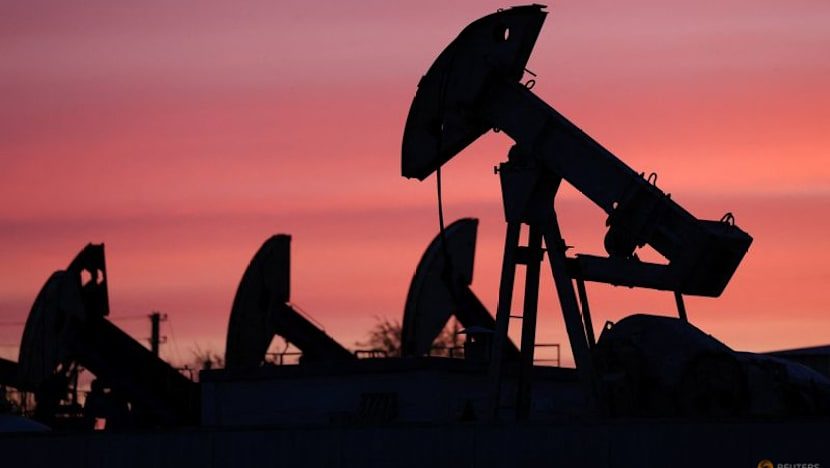
Crude prices are poised for their strongest weekly performance since May as escalating attacks on key maritime chokepoints and unexpected production cuts in Kazakhstan tighten global energy supplies.
Crude oil is on track for significant weekly gains despite minor intraday pullbacks, driven by escalating disruptions to critical global shipping routes. Brent futures traded at $99.97 a barrel as of 0126 GMT, positioning the benchmark for a 13.5 percent weekly advance. West Texas Intermediate stood at $91.49 a barrel, heading for a 10.9 percent increase over the same period.
The rally follows a sharp surge on Thursday, marking the first time since May that Brent settled above the $100 threshold. This momentum was triggered after Iran-aligned Houthis struck two Saudi oil tankers in the Red Sea. Market participants are now pricing in the risk that the Bab el-Mandeb strait, the world’s second most vital oil transit channel, could be completely closed.
The geopolitical stakes have escalated following the collapse of an interim truce two weeks ago. The Houthis declared a naval blockade on Saudi Arabia on Monday, targeting a nation that had already been diverting oil via pipeline to bypass Iran’s closure of the Strait of Hormuz. In response, US President Donald Trump vowed to hold Iran responsible for any further attacks on maritime traffic.
Black Sea Export Halted
Supply constraints are simultaneously compounding from the Caspian region, where Kazakhstan has temporarily reduced oil production. Suspected Ukrainian drone attacks forced the closure of the country’s primary Black Sea export terminal, prompting the Caspian Pipeline Consortium to suspend loadings.
This specific export route accounts for approximately 2 percent of global daily crude supply. While the Kazakh energy ministry has not disclosed the exact volume of the production reductions, industry sources indicate that the nation’s largest oil field has slashed its output by more than half.
For investors and energy-dependent industries, these simultaneous chokepoints in both the Red Sea and the Black Sea present a compounded inflation risk. As IG market analyst Tony Sycamore observed in a note, the situation signals that the noose around global energy supply routes is pulling tighter again.